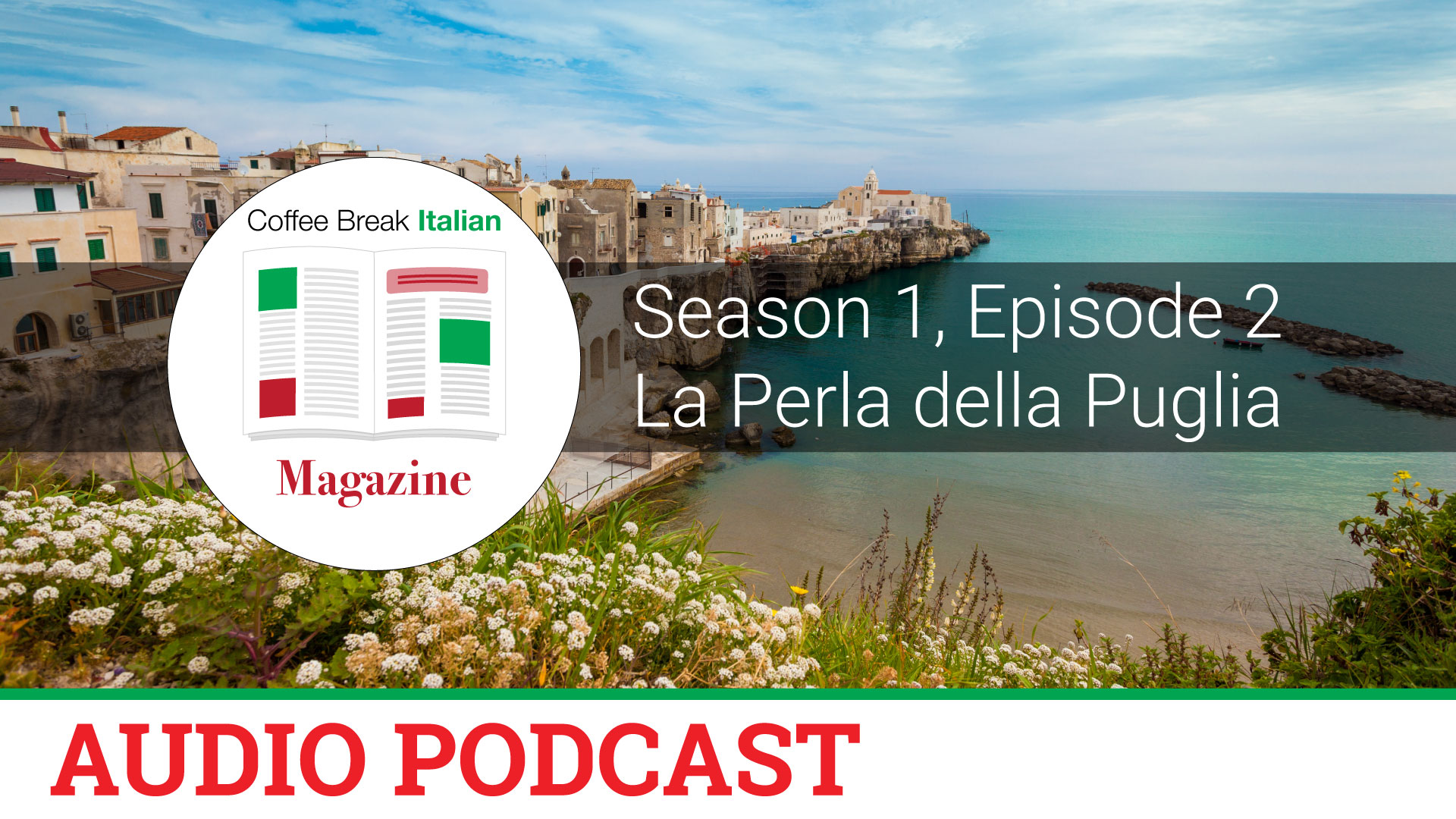
In this episode we’re heading south to the region of Puglia and, more specifically, to the area known as Il Gargano. Known for its crystalline waters and golden beaches, there is much to see and do in Il Gargano. Find out more in the episode. Francesca and Mark also have some advice on how to learn vocabulary, based on Tricia’s question. The episode concludes with a scioglilingua – a tongue twister – which will help you practise the ‘gl’ sound in Italian.
Why learn Norwegian? 7 reasons that make it kjempefint!

Learning a new language is always an enriching experience, as it is a great exercise for your brain, a beautiful way to learn about new cultures and so forth. But why learn Norwegian?
We believe several reasons make it a great idea, therefore, we prepared this blog post to talk about the interesting aspects of the Norwegian language and why learning it is kjempefint – really great!
1. Ja, vi elsker dette landet!
The Norwegian National Anthem begins with the line “yes, we love this land”, and really, how could you not? With some of the most beautiful places you’ll ever see, Norway must be in the top 5 most Instagrammable countries you’ll ever visit!
In our opinion, this is reason enough if you are thinking ‘Why learn Norwegian?’. Especially because if you can speak litt norsk a little Norwegian, then your experience there will be all the more fulfilling.

2. Two for the price of one
Believe it or not, there are actually two official, recognised versions of written Norwegian. They’re called Bokmål (literally book tongue) and Nynorsk (new Norwegian). Children in Norwegian schools have to learn both forms, but no one really speaks either form: everyone speaks their own dialect!
Don’t worry, though – most dialects will likely be understood by most Norwegian speakers, as Norwegians are used to hearing different dialects all the time.
3. One word + one word = much more than two words
Another answer to the question ‘Why learn Norwegian?’ is the versatility that the words have in the language. There are a huge number of compound words in the Norwegian language, and very often, the word takes on a whole new meaning.
Take, for example, soloppgang, which literally means sun up going. This is the word used for sunrise. However, our favourite compound word in Norwegian has to be the word for outer space. Going back to Norse mythology, Odin established the different realms (or “rooms”) of the universe, making outer space verdensrommet, or the room of the world.
4. Sitt under the tre with your søster and read your bok
Guess what? There are already many words in the Norwegian language that you already know! There are a huge number of cognates – words with similar roots – between English and Norwegian and you’ll be able to work out the meaning of many Norwegian words simply by listening to them or reading them.
Some examples are bok book, tre tree, over over, familie family, søster sister, telefon telephone and there are lots more! English and Norwegian are both Germanic languages and so they’re related.
5. Jeg er, du er, han er, hun er…
Why learn Norwegian? Another reason is the fact that, grammatically, it’s really quite easy! If you’re used to six forms of conjugated verbs in other languages such as Spanish or French, worry no more.
In Norwegian, there’s just one form for each tense! So I am is jeg er; you are is du er; he is is han er; and she is translates as hun er. That means that “am”, “are” and “is” in English are all simply translated by one word in Norwegian: er. Så lett – so easy!
6. Three for the price of one
There’s another bargain to consider! If you understand Norwegian then you’ll be able to understand a fair bit of Swedish as many words are similar: to say “I understand a little English” a Norwegian would say jeg forstår litt engelsk and a Swede would say jag förstår lite engelska.
And that’s not all: since written Norwegian (Bokmål) was based on written Danish, Norwegians can understand written Danish very easily. You’ll even be able to recognise words in Icelandic and Faroese, two other languages which derived from Old Norse.

7. You can learn in minutes – for free!
If you are wondering ‘Why learn Norwegian?’ or ‘Should I learn Norwegian?’, here is one final reason to go for it: you can learn in minutes, for free! We have prepared a playlist, presented by native speaker Dag, where you’ll quickly pick up the basics of this beautiful language.
The lessons cover greetings, introductions, and counting and you’ll learn to say that you speak a little Norwegian. Although Norwegians generally speak amazing English, you can guarantee that when you say jeg snakker litt norsk to a native speaker they’ll smil from øre to øre!
So, whether you’re interested in travelling to this beautiful country, have a go at learning a different language, or want to get your foot in the door of understanding all that Scandinavia has to offer, Norwegian could be the key to a treasure chest of Nordic delights:
The Coffee Break Catch-up: 16 May 2019
Join Coffee Break Founder and CEO Mark for this week’s edition of the Coffee Break Catch-up, our weekly show in which we’ll update you on all things Coffee Break Languages. There are discussions on language learning, and a roundup of some of the cultural events happening around the world.
In this edition:
- looking back at the launch of our Coffee Break French Magazine and some new information about the next edition of the Coffee Break Italian Magazine;
- News of our One Minute Norwegian course now available on YouTube;
- there’s a discussion about constructed and artificial languages: would you want to learn Esperanto, Dothraki or High Valyrian?;
- and we round up some of the cultural highlights happening around the world this week.
CBF Mag 1.01 | La Raclette

The Coffee Break French team is back with a new series, the Coffee Break French Magazine. In each episode of this 10-lesson season for intermediate learners, you can build your vocabulary, increase your understanding of grammar and learn to use the French language in a more natural way. This series is aimed at learners who have completed at leats Seasons 1 and 2 of Coffee Break French.
There will be a total of 10 episodes in Season 1 of the Coffee Break French Magazine. If you’d like to benefit from lesson notes, transcripts, vocabulary lists and exercises, you can access the premium version of the Magazine on the Coffee Break Academy. Scroll down for more information.
CBS EM 1.07 | Una Maravilla de Andalucía

In this 7th episode of En Marcha, Mark and the team head eastwards along the Costa Tropical, to the village of Frigiliana, officially one of the most beautiful villages in Spain. After spending the day finding out about the village through both its residents and its visitors, it’s time to return to Málaga, but not before dropping in on two more villages, one of which offers up an opportunity for Mark to catch up with some familiar faces. For more information about High Five Spanish, our Spanish course for children, please visit http://highfivespanish.com.
The Coffee Break Catch-up: 9 May 2019

Join Coffee Break Founder and CEO Mark for the latest edition of the Coffee Break Catch-up, our new weekly show in which we’ll update you on all things Coffee Break Languages. There are discussions on language learning, and a roundup of some of the cultural events happening around the world.
In this edition:
- further information about our forthcoming launch of the Coffee Break French Magazine which will be broadcast in an “avant-première” on Monday 13th May;
- there’s a discussion about resources, apps and podcasts which complement Coffee Break language courses;
- and we round up some of the cultural highlights happening around the world this week.
Meet Yvonne, Coffee Break Italian learner


Tell us who you are, where you live, your nationality and how long you’ve been learning a language with us.
Hello I’m Yvonne, an American living in the beautiful state of Vermont. I started using Coffee Break Italian at the end of January 2018, prompted by an upcoming trip to Italy in May. I travelled to a small town where 4 generations of my great grandfathers lived and died and I wanted to be able to communicate with people in the town to hopefully find out more about my family.
What experience have you had speaking and learning other languages?
I had tried to learn French while in high school, but never put it to use. When I decided to try to learn Italian I attempted many avenues. The first was a local class held at a college, unfortunately it proved too advanced for me. I then tried various apps like Duolingo. They helped you learn words, but not understand how the language works. It wasn’t until I started using Coffee Break Italian did I truly start to understand.
What are your favourite memories of learning a language?
I found investing in the video versions very helpful, the ability to see and hear the words made a big difference for me.
Where would your ideal coffee break be, and with whom?
I would love to speak Italian in Corato, Italy with any potential relative.
What’s the best language-learning tip you have found works for you?
I listen to Coffee Break Italian while walking on the treadmill ,then practising some of the phrases or words I’ve learned that day, keeping a log of phrases I might need to use when traveling.
Quick Fire Round
- Your favourite language: Italian
- Your favourite word or phrase in the language: vino
- Do you have a favourite film, TV show, book or singer in the language? Pane e Tulipani
- Your favourite destination to practise your language: Italy
Please finish off with a message to your fellow members of the Coffee Break community and the Coffee Break Team.
Mille Grazie!
CBI Mag 1.01 | La Bocca della Verità
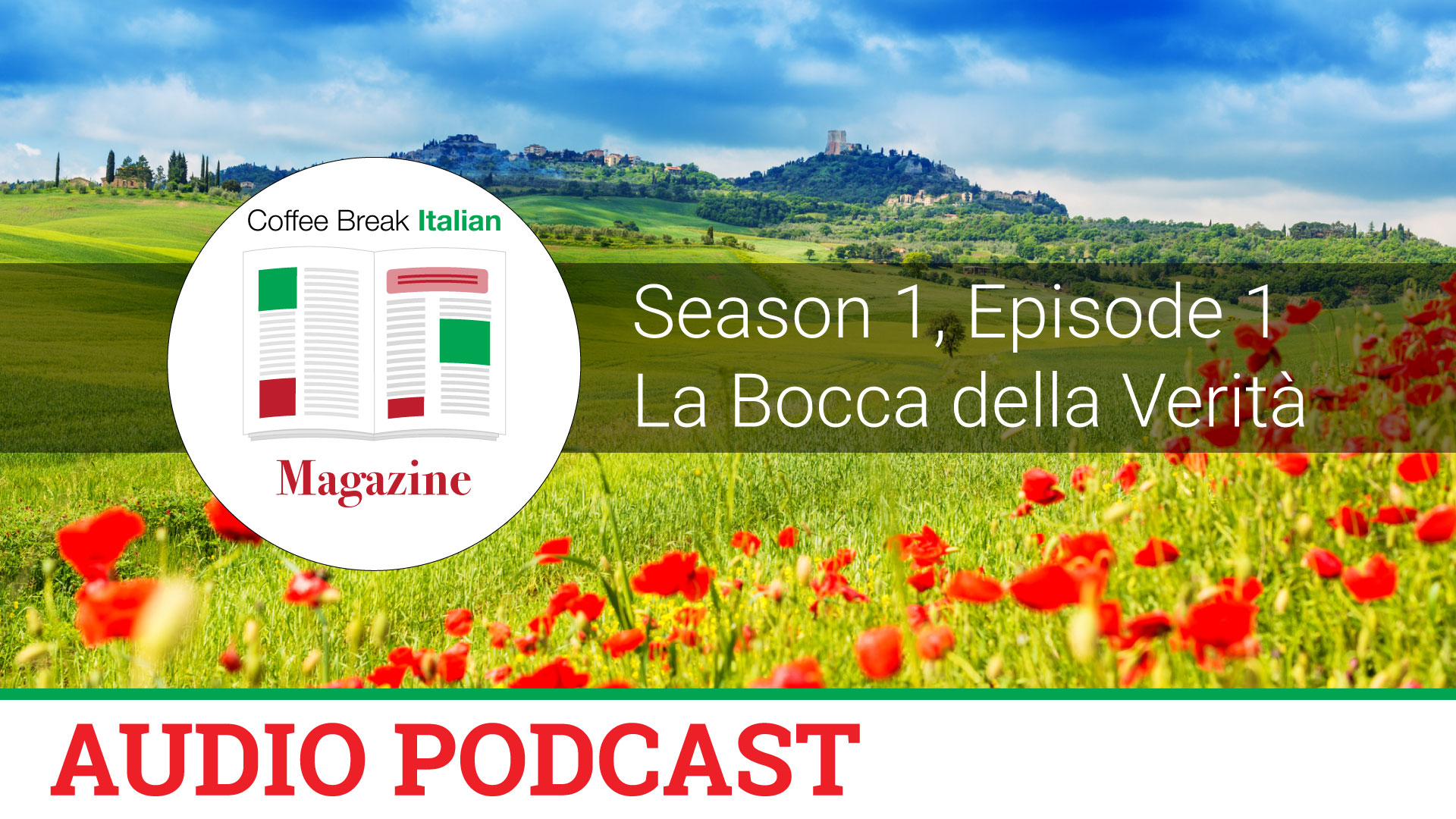
The Coffee Break Italian team is back with a new series, the Coffee Break Italian Magazine. In each episode of this 10-lesson season for intermediate learners you can build your vocabulary, increase your understanding of grammar and learn to use the Italian language in a more natural way. This series follows on from Seasons 1 and 2 of Coffee Break Italian.
There will be a total of 10 episodes in Season 1 of the Coffee Break Italian Magazine. If you’d like to benefit from lesson notes, transcripts, vocabulary lists and exercises, you can access the premium version of the Magazine on the Coffee Break Academy.
Spain Spanish vs Mexican Spanish: 6 curious differences

Just when you think you’re starting to get the hang of Spanish, you discover that there are many different varieties spoken all around the world, for example Spain Spanish vs Mexican Spanish. Cue a brief sense of despair at the thought of having to learn every different form of the language, followed by relief when you realise that this only makes the learning process more interesting and enjoyable!
In this article, we’re going to be looking at six differences in vocabulary, grammar and pronunciation between Spanish vs Mexican Spanish. As Mexico is the country with the highest number of Spanish speakers on the planet – around 121 million – we thought it would be a good place to start.
¡Vamos a empezar!
1) Describing something cool as being ‘so father’!
If you’ve been learning Castilian Spanish, or have ever visited Spain, it’s likely that you’ll have heard the exclamation ¡Qué guay! countless times, meaning ‘(that’s) so cool!’. In Mexico, the phrase ¡Qué padre! is used instead, which literally means ‘(that’s) so father!’.
Spain Spanish vs Mexican Spanish: check how this expression would sound like in context:
- Spain: ¿Vas al concierto de Shakira? ¡Qué guay! Are you going to the Shakira concert? That’s so cool!
- Mexico: ¡Qué padre está la ultima canción de Shakira! Shakira’s latest song is great!

2) Calling your friend your uncle
Next on our list of Spain Spanish vs Mexican Spanish differences, we have a funny one. If you have been learning Spanish for a while, you’ll probably recognise the words tío and tía, meaning ‘aunt’ and ‘uncle’. In Mexico, these words are used exclusively for this purpose. However, in Spain, they are also widely used to address friends.
For example:
- Mira a ese tío. Look at that guy.
- ¡Hola tía! ¿Qué tal? Hey girl! How’s it going?
In Mexico, it’s more common to hear various other words, such as mano or güey, used to mean ‘pal’ ‘man’, or ’buddy’.
3) Speaking ‘Spanglish’
If you think about Spain Spanish vs Mexican Spanish, it is obvious that Mexico sharing its northern border with the USA would have a strong American-English influence on its vocabulary, particularly in northern areas which border the USA.
Here are a few examples of some of these anglicisms:
Alquilar vs rentar
If you’ve ever been to Spain, you may have noticed signs saying se alquila on the outside of buildings. This means ‘for rent’, and is taken from the verb alquilar. In Mexico, alquilar is much less common and is replaced by the English-sounding verb rentar, so ‘for rent’ signs say se renta.
Comprobar vs checar
Another example is the verb for ‘to check’. In Mexico, checar or chequear, more anglicised verbs, are used instead of comprobar, which is used widely in Spain.
Other examples
There are several other examples in the language:
- Computer: computadora (Mexico) vs ordenador (Spain)
- Fridge: refrigerador (Mexico) vs nevera (Spain)
- Hobby: hobby (Mexico) vs pasatiempo (Spain)

4) Perfecto or indefinido?
Although you may have already been familiar with some of these differences in vocabulary, you may not have realised that there are also some subtle grammatical differences between Spain Spanish and Mexican Spanish.
In Spain, it is very common to use the pretérito perfecto (the perfect tense) when talking about recent past actions which are still related to the present.
- Example: ¿Qué has hecho hoy?
This is the most common way to ask someone in Spain ‘What have you done today?’. However, in Mexico, it is more common to say ‘Que hiciste hoy?’ using a different tense: the pretérito indefinido (the preterite tense)
But don’t worry – this grammatical difference between Spain Spanish vs Mexican Spanish is quite subtle, so you’d still be able to make yourself understood in both countries no matter which tenses you use.
5) It’s all about usted and ustedes
In Mexico, and indeed in some other Latin American countries, people tend to use the pronoun usted rather than the less formal tú, which is used in Spain. While usted is reserved for formal situations in Spain, in Mexico, it is used to address most people, including close friends, and is not seen as being quite as formal.
Because of this, the pronoun vosotros, the plural form of tú, isn’t as widely used in Mexico as it is in Spain.
- Spain: ¡Hola, chicos! ¿Cómo estáis?
- Mexico: ¡Hola, chicos! ¿Cómo están?
Note: In some Latin American countries, such as Argentina, the pronoun vos is used instead of, or alongside, the singular pronoun tú. Its use varies from country to country and, in some cases, the pronoun has a totally different conjugation to tú. Using this pronoun is known as el voseo.
6) Dropping the Spanish ‘lisp’
Undoubtedly, the most distinctive pronunciation difference between the Spain Spanish and Mexican Spanish is the ‘lisp’ sound heard in Spain. First of all, we need to clarify something here: the ‘lisp’ sound is not a lisp!
If it were a lisp, then every ‘s’ would become a ‘th’ and that doesn’t normally happen! To explain this further, it’s useful to look at the 3 different pronunciation conventions in Spain: el seseo, el ceceo and la distinción.
La distinción, is the most common pronunciation convention in Spain, and refers to the way in which the sounds ‘ci’, ’ce’ and ‘z’ are pronounced with a ‘th’ sound when followed by any vowel (the tongue sticks out between the teeth). The ’s’ sound is pronounced differently, meaning the words siento and ciento are pronounced differently.
In some parts of Spain, particularly in the Andalucía region and in parts of the Canary Islands, you may hear two other pronunciation conventions: ceceo and seseo. Without trying to overcomplicate things, the less common of these conventions is ceceo, where both the ’s’ and ‘z’ sounds in the words casa and caza are the same: both with the ‘th’ sound.
Much more common is the seseo pronunciation, where speakers also pronounce the words casa and caza in the same way, but they pronounce both the ‘s’ and ‘z’ with an ’s’ sound. And in addition to the south of Spain, this is the form most commonly associated with Latin America, and it brings us back round to Mexico where seseo is the norm.
Let’s take an example: ¡Qué cielo tan azul! What a blue sky! Now let’s see what it would sound like in Spain Spanish compared to Mexican Spanish:
- In most of Spain this would be pronounced: “¡Qué thielo tan athul!”
- In Mexico this would be pronounced: “¡Qué sielo tan asul!”
We hope that you’ve found this article muy padre! Now that you are aware of some differences between Spain Spanish vs Mexican Spanish, you will be able to begin to checar your use of different pronunciation, grammar and vocabulary when talking to people from different places.
If you are looking for more interesting and useful content about the Spanish language, make sure to subscribe to our newsletter!
The Coffee Break Catch-up: 2 May 2019

Join Coffee Break Founder and CEO Mark for the inaugural edition of the Coffee Break Catch-up, our new weekly show in which we’ll update you on all things Coffee Break Languages. There are discussions on language learning, and a roundup of some of the cultural events happening around the world.
In this edition:
- Mark announces the new Coffee Break Italian and Coffee Break French Magazine shows, starting 6 May and 13 May respectively;
- there’s a discussion about the fact that “every age is the right age to learn a language“;
- and we announce our April winners of a Coffee Break mug.
A Postcard for Language-learners from San Diego

You can’t always travel to the country where the language you’re learning is spoken, but whether you’re at home, or travelling in an English-speaking country, it’s still possible to be inspired in your language learning by what’s around you. In this video, Coffee Break host and teacher Mark sends a Coffee Break Postcard for Language Learners from the sunny city of San Diego in California.
We’ve provided some vocabulary on screen for French, Spanish, Italian and German, and we’ve also provided subtitles which describe what you’re seeing on screen. Focus on the language you’re learning, and feel free to pause the video to help!
Have you had any experience of learning a language by “looking around you”? Do you have any tips or tricks for other language learners on how you can maximise the opportunities you have to practise the language, either with other people, or simply in your head? Let us know in the comments!
Best age to learn a new language: why every age is the right age to learn a language!

When is the best age to learn a new language? It has been said that to be fluent in a second language, one should start learning by the age of 10. What do you think?
To us here at Coffee Break Languages, this presents two questions: how do you define “fluent”?; and, is all learning started after this age pointless? Clearly, the answer to the 2nd question is no.
We reckon the perception of fluency is subjective. For some, it may be considered the ability to translate everything as you hear it and produce language in any situation, seemingly with little effort. For others, it may be understanding the signs they see around them when visiting a foreign city and successfully ordering food and drinks when enjoying time abroad.
Let’s have a look and see if there’s a best age to learn a new language!
The early years
Is childhood truly the best age to learn a new language? There is no doubt it’s a great opportunity to start learning a language as early as possible. Early exposure to multiple languages often means faster acquisition of pronunciation, grammar, and vocabulary.
After all, we know that young children are like sponges, soaking up new information and, crucially, retaining it readily. For example, children raised in bilingual households don’t consciously study grammar rules – they simply acquire language naturally.
However, some concepts of foreign languages may be trickier to explain and for them to understand. Additionally, not everyone has the chance to start learning a language at a young age. Does that mean we’ve missed the boat? Absolutely not!
While children may have the advantage of flexible neural pathways, older learners can benefit from a mature approach, structured methods, and real-world motivation. This shows that while childhood is often thought of as the best age to learn a new language, adults can be just as successful with the right motivation.
Adulthood: motivation and practicality
As we get older, our reasons for learning a language may be different. As a child at school, language might have been a compulsory subject at school. Later on, we may choose to study a particular field.
Having another language at your disposal may open more doors to travel to study in other countries. Motivation for language learning can change greatly at this age and stage of life. Often, students relish the opportunity to travel, experience different places and discover other cultures. Another language can make this a whole lot easier. Some say being immersed in the language can facilitate learning.
Getting to know other people in different places can be a huge impetus for wanting to improve language skills. Here at Coffee Break Languages, we love hearing learners’ reasons for taking on the challenge of a new language. And often the reason is love! It can be a huge motivation when there’s an emotional involvement, not to mention the opportunity to practise what you’re learning while being encouraged and knowing your efforts will be appreciated.
Take the story of CoffeeBreaker Amanda, who discovered that the best age to learn a new language is whenever you feel motivated. She started learning Italian to communicate better with her partner. Though the relationship ended, she fell in love with the language itself and continued her studies, discovering the culture and making new friends along the way at Coffee Break Italian.
This shows that the best age to learn a new language is any age! It’s never too late to start, and that genuine interest and motivation can fuel your progress.
Post-uni and early career
Once we leave the student years behind, our reasons for learning a language often shift. For many adults, the best age to learn a new language is whenever they find a compelling reason to start – be it for love, travel, or career advancement.
You may have started out in a job. Life is good, you’re earning money and might be able to afford holidays now and again. Perhaps you’re travelling more for business or simply enjoying international vacations. You can get more out of your travels if you can speak a little of the language wherever you are. Language skills can make both experiences more enriching!
Being able to order confidently in a Parisian café can feel like a personal victory… Imagine how useful it would be in your line of work to be able to converse with clients in their own language! It’s been shown that having another language in your toolkit can help you advance more quickly in the workplace compared to those who don’t.
According to an analysis performed by Preply in 2024 in the U.S., employees who speak two or more languages were 5% more likely to receive a raise and earned 19% more than those who speak only one language.
This was the case for another CoffeeBreaker, Daniel, who told us that in his current job he communicates with people from all over the world: “being able to communicate with all of them and speak these languages was what got me the job”.
Are you fluent yet?
Nobody likes to be called middle-aged, so we just avoided that subtitle for this section! Have you reached a point in life where you may want to devote more time to interests? Perhaps you have more resources and time to travel, not just for work?
Are you panicking that for the last 20 years, you “always meant to learn Italian but were busy working, raising a family, helping parents, just getting on with life…?” DO NOT PANIC!
If you’ve been waiting to get started, remember that the best age to learn a new language is whenever you decide to begin. It doesn’t matter one bit if this is the first time you’ve looked at and listened to an Italian (please change to your language of choice) lesson since school. You now have the chance to progress in a language at your own pace, in your own time and for your own reasons.
Learning a language later in life isn’t just about practical benefits – it’s also an opportunity for personal growth and fulfilment. Imagine ordering your favourite wine in flawless Italian at a Tuscan vineyard or chatting with locals in Spanish while exploring a vibrant market in Mexico. These experiences bring joy, confidence, and a sense of accomplishment.
Learning a language is fun! If you get the building blocks of a language in place, then you can construct anything you need to in time. Plus, studies show that learning a new language at any age can boost cognitive function, improve memory, and even delay the onset of age-related cognitive decline. It’s like exercise for your brain, keeping it active and engaged.
The best age to learn a new language is now!
Am I too late to start? No! As we said in this title, the best age to learn a new language is now! Our reasons for doing so may change over the years, but it’s still always a great thing to do.
It’s a bit like eating more vegetables, taking more exercise, saving more money, except it’s an awful lot easier to do than those things and can be done at the same time in many cases! We know that making the effort to do things that are good for us always pays off in the long term.
Getting up early to go to the exercise class might not always be appealing on a dark winter’s morning, but you see friends when you’re there, feel better for having stretched and got your heart rate up, and you know that getting all those endorphins and oxygen flowing around does you good. Learning a language is just like that.
Mark, the founder of Coffee Break, shares his valuable insights as both a language teacher and a language learner on the concept of a ‘cut of age’ for learning a new language. You can check out below:
It’s all about communication, talking to people, making connections, maintaining them and having fun. It’s great when you’re in a class, up a mountain with a spectacular view, or in your local French café and you try out your first phrase on a sympathetic native speaker, you’re understood and they reply in French.
There’s your endorphin rush! You understand the response and you’ve had your first conversation in French. Coffee Break Spanish and Chinese learner Fabrice told us about one memorable language experience:
“When I went to San Diego to get my Chinese visa, the guy was not even looking at me and then, I don’t remember what I said but it was a very small sentence in Chinese, and his face suddenly lit up and he said ‘Oh you know a little bit of Chinese?’ and I said ‘I’m learning, I want to visit your country! He was very impressed. Speaking another language really does make a big difference to people”.
Do you have colleagues who you’d like to speak to in their native language? Or a son or daughter-in-law who has a different first language from you? Do you have grandchildren who live in another part of the world and you’d like to speak to them in the language they use where they are growing up? Or is learning a language just something you’d like to do?
So, what do you think is the best age to learn a new language? Which stage are you at? Do you feel you have to be a particular age in order to benefit from language skills? Does it matter that it’s taken 20, 40 or 60 years to become “fluent”? Pas du tout !
The best age to learn a new language is now, regardless of where you are in life. What matters most is your reason for learning and your willingness to embrace the process. In the end, the journey itself is what makes language learning so rewarding, no matter when you begin.
If you are looking for the right resources to get started, check out the Coffee Break Academy and explore our range of courses for learners of all ages!
CBS EM 1.06 | Hablando como nativos

How many times have you thought about catching a flight to a Spanish-speaking country to learn Spanish? In this episode, Mark catches up with an old friend, talks to the owner of a language school, and asks some students about their experiences at the school. You might have guessed that this episode focuses on a topic close to Mark’s heart: learning Spanish. But no need to book a flight just yet; this episode, and indeed all episodes of En Marcha, will show that you can still improve your Spanish from the comfort of your own home!
For the full online course which includes transcripts, bonus audio materials, exercises, vocabulary lists and exclusive video content, please click here.
Get your ducks in a row with these 10 interesting international idioms

The English language is filled with innumerable intriguing expressions. For example, one way to describe rotten, wet weather is to say that it’s raining cats and dogs, and sometimes the only way to punish someone for letting the cat out of the bag is by giving them a taste of their own medicine. Of course, other languages are no different, so today we are looking at some international idioms!
They may seem ridiculous to some but don’t judge a book by its cover. There is a method to the madness that is an idiomatic expression and, often, it might be the only thing that truly hits the nail on the head.
Let’s stop beating around the bush and get these out of our system!
What are idioms?
Before talking about some amazing international idioms, you must have a good understanding of what idioms are. It might sound quite like a basic understanding, but reviewing a concept is always a good thing.
Idiomatic expressions are phrases that convey a figurative meaning distinct from the literal interpretation of the words used. For example, when we used ‘ducks in a row’, meaning ‘get ready and be prepared for what is going to happen’ – AKA talking about idioms, in the title of this article.
As one could expect, they are deeply embedded in the culture and everyday language of a community, reflecting the values and humour. They often originate from historical events, cultural practices, literature, or even everyday experiences.
So, if you’re learning a new language, you should not forget to learn some international idioms too!
10 curious and fun international idioms
Exploring international idioms offers interesting insights into how different cultures express everyday ideas creatively. So let’s check 10 curious and fun expressions from around the world:
1. Haut comme trois pommes
To start off our list of international idioms, we present to you this amusing French idiom. If you ever visit France or find yourself in the presence of French speakers, you may hear a person described as being “haut comme trois pommes”.
This short phrase literally translates back to English as “three apples tall” and is used to describe someone’s (lack of) height.

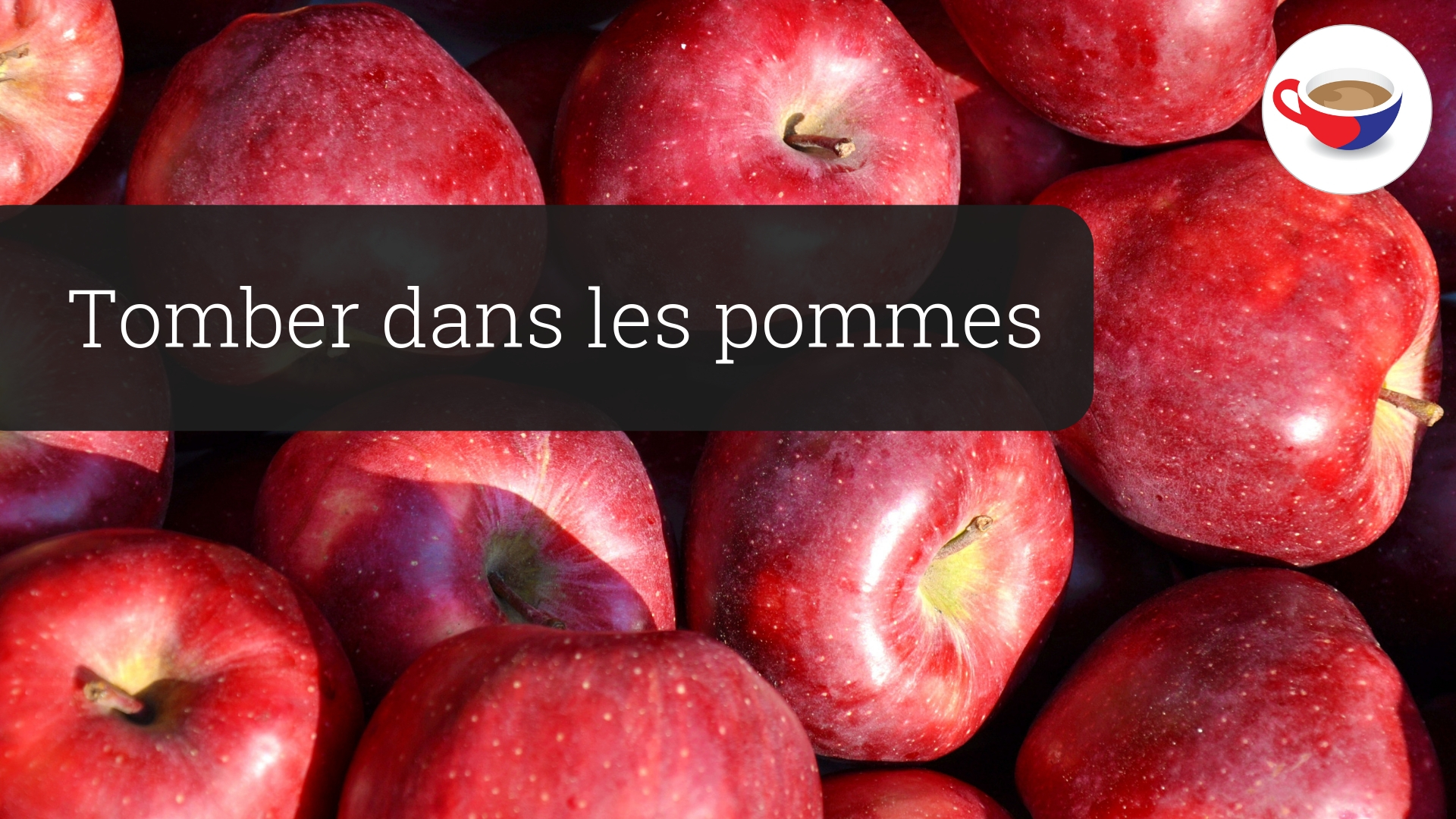
2. Tomber dans les pommes
We’re sticking to French and apples with this next idiomatic expression. Now, if for some reason you were to faint, we’re going to assume that you’d prefer to land on, say, a collection of cushions or even a comfy seat.
We’d guess you probably wouldn’t like to land on a pile of apples. Would we be right? This French phrase literally means “to fall in the apples” and is used if someone faints. Ouch
3. Encontrar tu media naranja
The next stop on our list of international idioms is Spain, and you guessed it: we’re still talking about fruit. Telling someone that they are your “half orange” probably won’t mean much and might actually sound quite strange if they are not familiar with Spanish.
However, to a Spanish speaker “encontrar tu media naranja” means to ‘find your soulmate’ and so “media naranja” can be used to mean your ‘other/better half’.

4. Echar agua al mar
We will remain with Spanish for the next expression on our list! If you’re ever in need of the perfect expression to use when someone’s actions are unbelievably pointless, then you need to look no further; Spanish speakers have got you covered! “Echar agua al mar” means “to throw water into the sea”. It doesn’t get much more pointless than that.

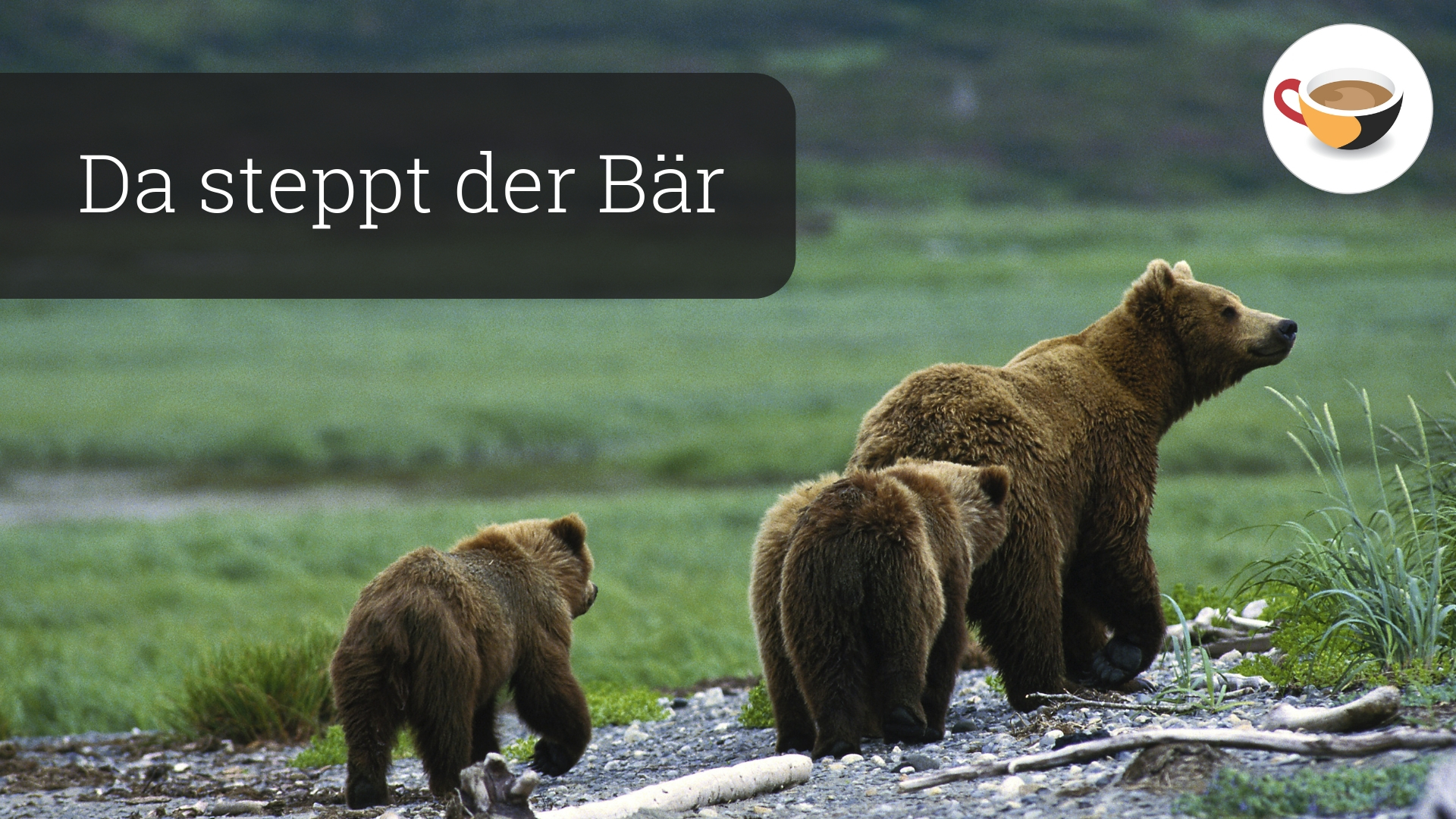
5. Da steppt der Bär
Continuing with animal-related international idioms, we make our way over to Germany. Literally, “da steppt der Bär” means “the bear dances there”. So, if you’re confused by a German party invitation and are perhaps worried you may be sharing your company with some giant grizzly bears, don’t fret, as this just means “it will be a good party”.
6. Tomaten auf den Augen haben
Here we have yet another fantastic fruit-related idiom for you to add to your language repertoire! We all have that one friend who is a bit oblivious and unaware of what’s happening in the world around them (if you can’t think of who that friend is, then it might just be you).
Well, in Germany, it’s said that these people are so blind to situations and their surroundings because they have “tomatoes on [their] eyes”. We suppose that would make it quite difficult to see, so we’ll let them off the hook!

7. Avoir un chat dans la gorge
Next up, we have another French idiom to add to your fast-growing list of international idioms! You may be familiar with the saying used commonly by English speakers, to have “a frog in your throat”. This odd expression means to have a croaky voice and struggle to speak as a result of it.
However, take a trip to France and you will find that this phrase changes slightly. Apparently, instead of having frogs in their throats (like English speakers), French speakers actually have cats in their throats! Avoir un chat dans la gorge; “to have a cat in your throat”.

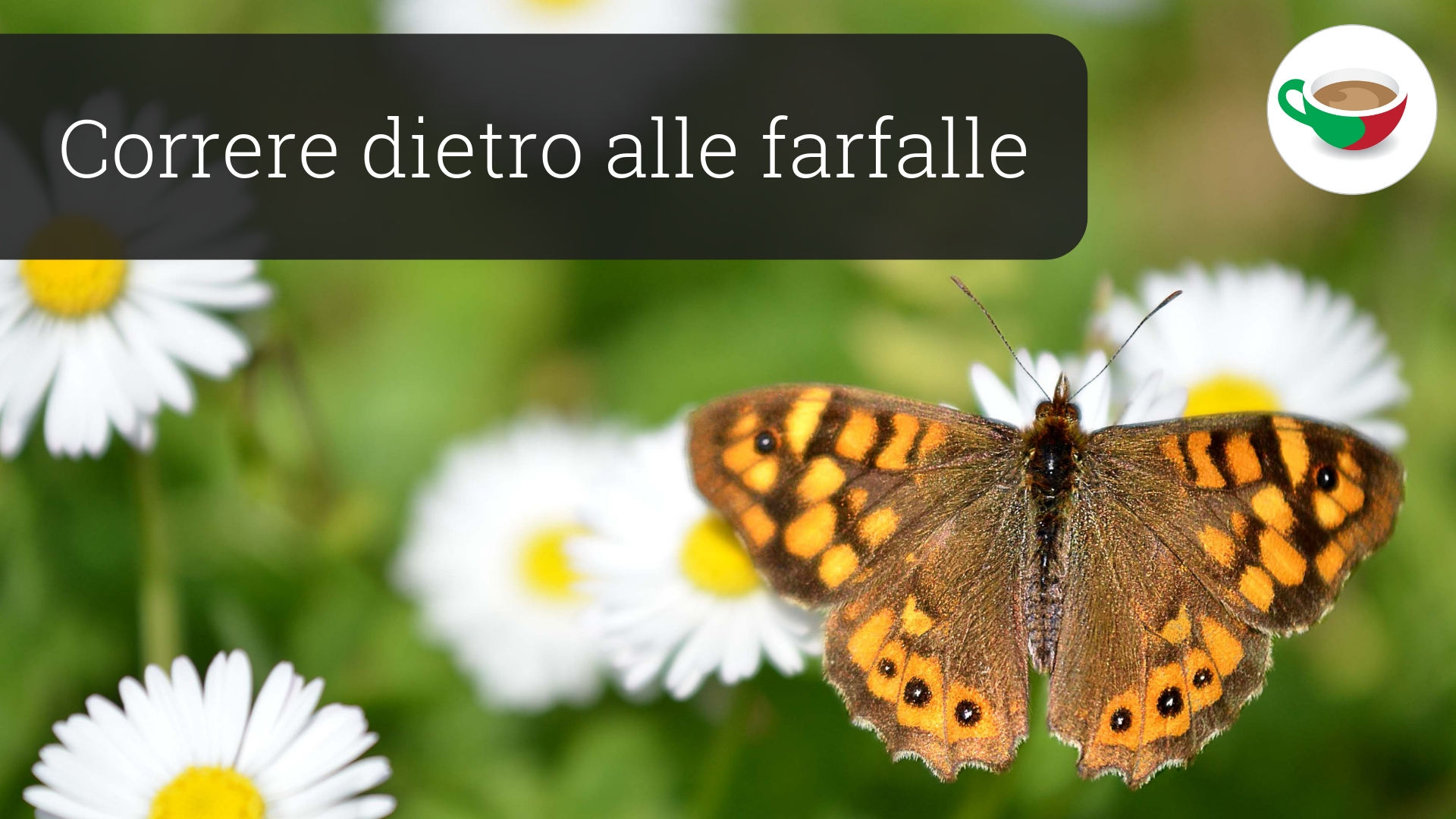
8. Correre dietro alle farfalle
For our next idiomatic expression, we ask you to imagine yourself running through the grass, chasing beautiful butterflies on a shining summer’s day. Seems like a picturesque scene taken straight out of a film, right? Well, not to Italians.
In Italy, what “[running] behind the butterflies” actually means is to pointlessly chase after something. Not quite the blissful scene that you may have initially imagined, but is it as pointless as throwing water into the sea? We’ll leave that up to you to decide.
9. Reggere la candela
We’ll continue with Italian for the next item in our list of international idioms, which is rather funny if imagined literally. “Reggere la candela” is a fantastic expression and it literally means “to hold the candle”.
To put this into context, picture a couple out for a lovely, romantic meal. Now, picture a friend holding a candle over the middle of the table for them as they dine. This is similar to – and just as awkward as – the English expression, where that friend is the “third wheel”.

10. Non tutte le ciambelle riescono col buco
Last, but certainly not least, we have our final expression in our list of international idioms. At some point in life, something won’t turn out as you had hoped, and at that point, your only option will be to simply shrug it off.
Luckily for you, Italian speakers created the perfect expression for when that time comes. Not everything goes to plan, just as “not all doughnuts come out with a hole”.

And with that, we will call it a day on our list of international idioms. We hope that these have been interesting and that you’ve learned something new. You never know, you might end up using these one day – but we’ll leave you to cross that bridge when you come to it!
If you liked this article and want to receive more content like this in your inbox, subscribe to our newsletter! We are sure you will learn something new and interesting every week.
Easter Giveaway Winners – and some news

We’ve just hosted a live video session in which we announced the four lucky winners of our Easter Giveaway. We’ll be contacting the winners by email and we’d like to thank everyone who took part. Please watch the full video broadcast as you’ll pick up some interesting information about some forthcoming dates and projects… If you’d rather watch on Facebook, click here.
Enter our Easter Giveaway

Here at Coffee Break Languages we are very excited to announce that we are hosting our very first EASTER GIVEAWAY! Of course, any time is the perfect time to start learning a new language and if you’re already learning one then keep going, you’re doing great. However we know that sometimes a little bit of extra motivation is needed on your language journey, and so this Easter we would like to give four lucky winners a FREE Coffee Break course of their choice!
This means that whether you’d like to learn or improve your French, German, Spanish, Italian or Mandarin Chinese, you could be in with a chance of winning a 40-lesson course from Coffee Break Languages worth over $100 to help you on your way.
All you have to do to enter the competition is click here and follow the instructions.
Behind the Scenes with Coffee Break Chinese

Come behind the scenes with the Coffee Break Chinese team. For lessons 31-40 of Coffee Break Chinese, Mark visited Hongyu in Beijing to record conversations to be used in the final batch of lessons of Season 1. In this video you’ll join Mark on his first trip to China in which he visits the Great Wall, Chángchéng, 长城, the Forbidden City, Gùgōng 故宫, the Hútòngs, 胡同, and records a number of conversations. Mark also meets Katie from the Confucius Institute for Scotlands Schools, and Jess from The Layover Life.
Coffee Break Chinese is a series of 40 lessons for beginners in Mandarin Chinese. Access all 40 episodes of the free podcast here. We also provide a full online course with video, audio and text materials. This is available on the Coffee Break Academy.
Wo wohnst du? – Talking about where you live in German – Coffee Break German To Go Episode 1.03

To ask “where do you live?” in German you can say “wo wohnst du?”, or in a more formal situation, “wo wohnen Sie?” In this episode of Coffee Break German To Go, Julia asks this questions to interviewees in the streets of Berlin. You can use the answers of our interviewees to help you learn to answer this question yourself.
In the first part of the video, watch the interviews without subtitles and try to understand. In the second part of the video, we’ve provided subtitles in German at the top of the screen. You can choose to turn on subtitles in English using the Subtitles/CC button.
In our first series, Julia is in the city of Berlin, and in each episode she’ll ask passers-by one question. Of course, that one question will result in many answers, and it’s through these answers that you can practise your German and build your vocabulary.
If you’d prefer not to wait for all 10 lessons of Season 1 to be published, you can access downloadable versions of the videos along with audio versions and lesson notes / transcripts in the Coffee Break Academy:
https://coffeebreakacademy.com/p/coffee-break-german-to-go-season1
Coffee Break German To Go is based on the popular podcast series and online course Coffee Break German. For access to the free podcasts, please click below:
https://coffeebreaklanguages.com/tag/cbg-season-1/?order=asc
CBS EM 1.05 | Ronda: Ciudad Soñada

It’s time for another day trip to a beautiful city in the region of Málaga and, this time, the team are in Ronda, lovingly nicknamed the ‘city of dreams’. As the home of modern bullfighting in Spain, Ronda presents the perfect opportunity for the team to ask some people about their opinions on this controversial Spanish tradition. This episode will help you continue to build your listening comprehension skills while introducing you to this dreamlike city through a series of interviews with both Ronda locals and fellow visitors.
CBC 1.40 | Huānyíng nǐ zàlái Zhōngguó!

It’s time for the final lesson in this series of Coffee Break Chinese and Mark is about to leave China. He and Hongyu have a chat about what they’ve done during the visit and reflect on how much Mark has learned. As ever, Crystal is on hand in the studio to help you understand the conversation in full.