Having learned to say that you speak a little German in lesson 03, in lesson 04 you’ll learn to say that you don’t understand!
Download episode | Subscribe in iTunes | RSS Feed | Bonus Materials

Having learned to say that you speak a little German in lesson 03, in lesson 04 you’ll learn to say that you don’t understand!
Download episode | Subscribe in iTunes | RSS Feed | Bonus Materials
In lesson 03 of One Minute Russian you’ll learn to say that you can speak a little Russian. This in itself will guarantee to impress native Russian speakers!
Download episode | Subscribe in iTunes | RSS Feed | Bonus Materials
In this final lesson of this stage of the course you’ll learn useful phrases such as “Merry Christmas”, “Happy Birthday” and “I love you” in the language.
Download episode | Subscribe in iTunes | RSS Feed | Bonus Materials
In lesson 08 you’ll learn to count up to ten.
Download episode | Subscribe in iTunes | RSS Feed | Bonus Materials
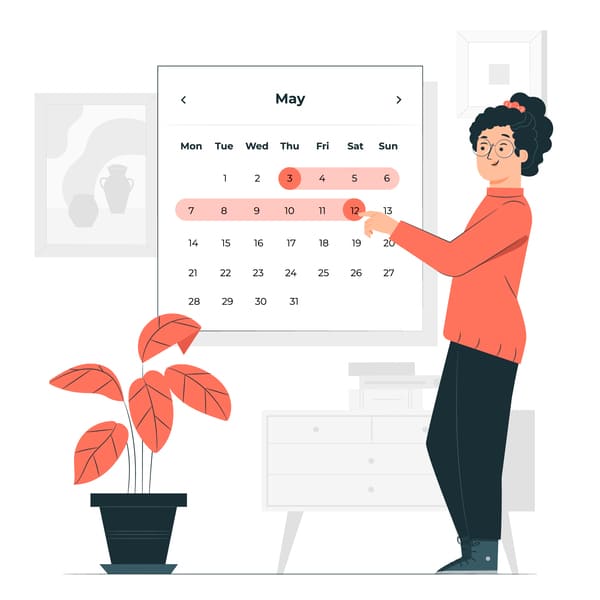
Learning how to write the date in French is essential for anyone studying the language. This guide will provide you with the vocabulary and structure needed to master this skill. Knowing how to express dates in French will enrich your conversations, whether you’re planning an event, writing a letter, or filling out forms.
Writing the date in French involves a unique structure that differs from English. By mastering this skill, you’ll be able to handle various everyday tasks more effectively and communicate more clearly in French-speaking environments.
Check it out!
Understanding numbers is crucial as they form the backbone of any date format. Knowing how to count and use these numbers in context will make writing and speaking about dates much easier. Let’s review the numbers you’ll need to write the date in French. We will start at 11, but if you want a refresher on the numbers from 0 to 10 in French, check our episode 6.
These are the numbers you’ll use most frequently when writing dates, as they cover the range from the 11th to the 31st of any month. Knowing how to write the date in French is essential.
Learning these multiples will help you when dealing with larger numbers, such as years and centuries.
Knowing the days of the week is essential for accurately stating dates. Practice using these terms regularly to become more comfortable with them.
The months in French are similar to their English counterparts, which makes them relatively easy to remember and use.
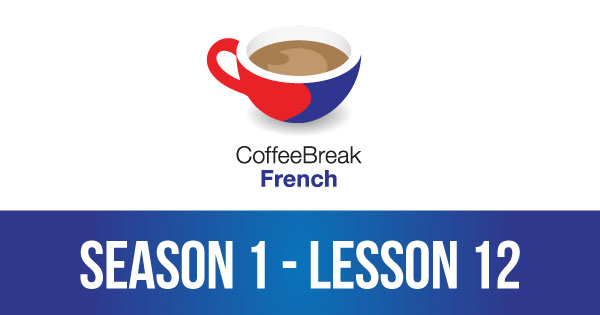
Would you like to hear these numbers, days and months pronounced? Listen to episode 12 of Season 1 of the Coffee Break French podcast for more insights and useful phrases to learn how to write the date in French.
Structuring the date correctly is vital for clear communication. This format is used in both spoken and written French, so practising it will enhance your fluency and help you know how to write the date in French.
To write the date in French, follow this structure:
Unlike in American English, in French, like in British English, the day comes before the month. For example:
These examples show how dates are structured in real-life contexts, helping you see how the rules are applied.
Practising with different dates will solidify your understanding and help you become more confident in writing them accurately.
Answers:
By practising how to write the date in French, you will improve your understanding of the language and feel more confident in various contexts. Whether it’s for personal use or formal writing, mastering dates in French is an important step in your language-learning journey. So, the next time you wonder how to write a date in French, remember these tips and keep practising!
Do you want to keep improving your French skills? Then check the article we prepared to help you to follow and give directions in French.
In lesson 03 you’ll learn to say that you speak a little German.
Download episode | Subscribe in iTunes | RSS Feed | Bonus Materials
In lesson 02 of One Minute Russian you’ll be learning a few useful words in Russian which you will use everyday in conversation.
Download episode | Subscribe in iTunes | RSS Feed | Bonus Materials
In lesson 09 you’ll learn to ask the question “how are you?” and give appropriate answers, depending on your mood.
Download episode | Subscribe in iTunes | RSS Feed | Bonus Materials
Learning to communicate in multiple languages opens doors to new cultures and opportunities. In this article, we’ll explore how to discuss languages in French and politely ask others to speak slowly in French, ensuring effective communication.
Continue reading to figure out more about it!
Understanding the similarities between languages you already know and French can make learning more approachable and enjoyable. Here are some essential languages and their connections to French:
Le français is the language we’re learning! Many English words derive from French, especially in law, cuisine, and art, making it easier for English speakers to recognise and understand French vocabulary.
L’anglais and French share many cognates, or words that look similar and have the same meaning. Examples include “information,” “nation,” and “important.” Recognising these cognates can boost your comprehension and confidence.
L’espagnol and French both stem from Latin, sharing similar grammar structures and vocabulary. If you can speak Spanish, you’ll find familiar words and patterns in French, such as “amigo” (ami in French) and “familia” (famille in French).
L’italien is another latin language with many commonalities in vocabulary and syntax. If you speak Italian, you will find similarities with French. For instance, the Italian word “libro” (book) is “livre” in French, and “buono” (good) is “bon” in French.
L’allemand and French have influenced each other over centuries of interaction. If you are a German speakers you might find familiar words like “chic” and “budget” in French, which are used in similar contexts.

In French like in English the words for languages are the same as the nationalities. If you want to learn more about how to talk about your nationality in French. Let’s have a look at useful phrases to talk about languages you speak or don’t understand.
Je parle français is the fundamental phrase for stating your ability to communicate in French. It’s essential for introducing yourself and indicating your language proficiency. You can also add ‘un peu’ for more detail, je parle un peu d’anglais (I speak a little English.).
Je ne parle pas allemand straightforwardly communicates that you do not speak German. It’s helpful when clarifying language capabilities or seeking alternative means of communication.
This question is handy when you need to confirm someone’s ability to converse in English. It’s useful in international settings or when seeking assistance. The more formal version being : Vous parlez anglais ?
Je comprends le chinois indicates your ability to comprehend spoken Chinese. It’s useful in conversations where you want to confirm your understanding or encourage others to continue speaking.
Je ne comprends pas le japonais indicates that you don’t understand Japanese.
Would you like to learn the pronunciation of these phrases? In episode 11 of Season 1 of the Coffee Break French podcast, you can get more insight into them and also learn other useful phrases as well as learn how to ask your interlocutor to speak slowly in French. Listen to it now:
When learning a new language, asking others to speak slowly in French can enhance your comprehension. Check it out:
Pouvez-vous parler lentement, s’il vous plaît ? This polite request asks someone to speak slowly in French, facilitating better understanding in conversations. It shows respect for the speaker’s pace and helps language learners comprehend more easily.
Plus lentement, s’il vous plaît. Is another way of asking someone to speak slowly in French as it means ’slower, please’. Use this phrase to politely request a slower pace in conversation. It’s useful when you need additional time to process spoken language or when adjusting to different speaking speeds.
Comment ? Je n’ai pas compris. Pardon? I didn’t understand. When you encounter difficulty understanding, use this phrase to ask for clarification. It shows your willingness to engage in effective communication and learn from interactions.
By incorporating these phrases into your daily practice, you’ll build confidence and fluency in French. Embrace language learning as a gateway to new friendships and opportunities around the world ,and remember to ask people to speak slowly in French to help you understand.
Ready to enhance your French skills further? Then check the article we prepared to teach you how to say the date in French!
In lesson 07 you’ll learn to say that it’s nice to meet someone and by the end of this lesson you’ll also be able to ask them to help you develop your language skills further.
Download episode | Subscribe in iTunes | RSS Feed | Bonus Materials
We’re delighted to announce that Coffee Break Spanish and Coffee Break French will be updated by the weekend. In CBF 11 we’ll be dealing with language problems in French and in CBS 51 we discuss one way of talking about the future within the context of New Year Resolutions.
In lesson 02 of One Minute German you’ll be learning four useful words which will come in very handy when you’re trying out your German skills with German-speaking friends or in a German-speaking country: “yes”, “no”, “please” and “thank you”.
Download episode | Subscribe in iTunes | RSS Feed | Bonus Materials
 We’re delighted to announce the fourth title in our One Minute Languages series. One Minute Russian launches today with weekly episodes in which you’ll be able to pick up the basics of Russian with our teacher Ann. Find out more on the One Minute Russian website.
Listen to episode one now by using the player below, or if you can’t wait ten weeks for the whole series you can purchase the premium version already in our store.
In lesson 01 of One Minute Russian you’ll be learning how to say “hello” and “goodbye”, two very important phrases for any conversation!
Download episode | Subscribe in iTunes | RSS Feed | Bonus Materials
In lesson 08 you’ll learn how to count from one to ten.
Download episode | Subscribe in iTunes | RSS Feed | Bonus Materials
In lesson 06 you’ll learn to give your name and to ask other people what they’re called, a crucial step in making friends with native speakers and thereby improving your language skills!
Download episode | Subscribe in iTunes | RSS Feed | Bonus Materials
In lesson 01 of One Minute German you’ll be learning how to say “hello” and “goodbye”, two very important phrases for any conversation!
Download episode | Subscribe in iTunes | RSS Feed | Bonus Materials
In lesson 07 you’ll learn to say that it’s nice to meet someone and by the end of this lesson you’ll also be able to ask them to help you develop your language skills further.
Download episode | Subscribe in iTunes | RSS Feed | Bonus Materials
Здравствуйте! Меня зовут Анн – my name is Ann and welcome to One Minute Russian. In this podcast I’m going to be teaching you русский язык, the Russian language. The great thing about this language course is that you’ll be learning all you need to know in 60 seconds! Yes, each one-minute language lesson will equip you with just enough Russian to help you get by in lots of situations either on holiday or on a business trip to a Russian-speaking country, or just to impress your Russian-speaking friends and colleagues.
Our course will begin on Tuesday 15th January 2008 and will be published each Tuesday for ten weeks thereafter. In the meantime, for more information, you can visit our website on www.oneminutelanguages.com. До свидания – Da svidániya!
Download episode | Subscribe in iTunes | RSS Feed | Bonus Materials
In lesson 05 of One Minute Irish you’ll continue to impress your Irish-speaking friends by learning to say that you’re learning Irish. By the end of this lesson you’ll also be able to say that it’s quite difficult!
Download episode | Subscribe in iTunes | RSS Feed | Bonus Materials