
We have reached Lesson 20! Join us in this episode as we review lots of the topics covered in the last 9 lessons. We hope you enjoy putting your Japanese learning to the test.
Month: November 2025
What do identity and language learning have to do with each other?

When you think about your language learning, how do you describe yourself? Do you say, for example, “I’m learning Spanish” or “I am a Spanish learner”? That small shift might seem insignificant, but it carries huge power because the way we see ourselves, our identity, and our language-learning mindset shape how we stay motivated, how we approach challenges, and ultimately, how we achieve fluency.
In this blog post, inspired by the video below, created by Mark, the founder of Coffee Break Languages, we’ll explore why your identity as a language learner matters more than you might think. You’ll discover how to move from doing to being, and how this simple mindset shift can help you learn more effectively, stay consistent, and genuinely enjoy your progress.
Why identity matters in language learning
Your identity and language-learning journey are deeply connected. The words you use to describe yourself might influence your actions and beliefs, and that includes how you think about learning a language.
If you tell yourself, “I’m learning French,” that implies something temporary… something you might finish or give up. But if you say, “I’m a French learner,” you’re identifying as someone who is dedicated to learning the language and is on an ongoing journey of growth and discovery.
This identity shift transforms the way you see things. Suddenly, missing a day of study doesn’t mean you’ve failed; it’s just part of being a learner.
How to embrace your identity as a language learner
So how can you strengthen the link between identity and language learning in your daily routine? Here are three practical steps to start embracing your identity and make language part of your life.
Step 1: say it out loud
We’ve been saying this throughout this article, but saying that you are a learner of your chosen language reaffirms your commitment. By saying it, you acknowledge that learning isn’t something external; it’s part of who you are.
If you ever feel demotivated, repeat it aloud. Your words are a reminder that you’re already becoming the person you want to be.
Step 2: live your target language every day
To make your identity and language learning feel real, add your target language into everyday life. You don’t need hours of study. Small, intentional choices make a big impact:
- Change your phone or social media settings to your target language.
- Label objects around your home with their foreign-language names.
- Take notes in your target language or write a grocery list in the language you’re learning.
Step 3: celebrate small wins
Part of seeing yourself as a language learner is recognising progress at every stage, as it is also key to keeping your language-learning motivation high! Whether it’s understanding a new phrase in a podcast or ordering coffee confidently on holiday, celebrate it.
Reward yourself in ways that feel special. Take a moment to reflect, share your milestone online, or mark it in a language journal. These rituals strengthen the bond between your identity and your learning journey.
Read also: 6 reasons why you should treat yourself as a language learner
Overcoming the “I’m not fluent yet” trap
Many learners hesitate to embrace their identity because they feel they’re not “good enough” yet. But your level doesn’t and shouldn’t define you.
Think of a runner who’s training for a marathon. Even before completing the marathon, they can identify as a runner. Likewise, you can identify as a language learner the moment you begin.
Your identity and language learning evolve together, and fluency is the result of showing up, not the requirement for belonging. When you see yourself as part of the language-learning community, you’ll naturally feel more connected, supported, and confident.
Reflecting on your journey
How has your mindset around identity and language learning evolved since you started? You may have noticed that as your confidence grows, your self-description changes too. At first, you might have said, “I’m trying to learn.” Now, perhaps you say, “I’m a learner,” or even, “I’m a speaker.”
When you view your studies as part of your identity, you approach learning with confidence and care. You become more resilient when things get tough, more motivated when progress slows, and more joyful as you connect with others through your new language.
Ready to explore your own identity and language-learning journey further?
Visit the Coffee Break Languages website for inspiring courses, podcasts, and videos designed to help you stay consistent, motivated, and connected to your target language, one coffee break at a time!
Coffee Break Spanish – All You Need To Know

Join Mark and Pablo for this special episode of Coffee Break Spanish where we’re talking about something a bit different.
We receive emails and messages all the time asking us “where should I start?”, so we thought we’d answer that in this episode. We share details about how Coffee Break Spanish first started back in 2006 – and all of the Spanish resources we have released since then.
We hope you enjoy hearing about the history of Coffee Break, with a few secrets revealed along the way!
Click here to access our secret link mentioned in the episode.
Coffee Break Italian – All You Need To Know
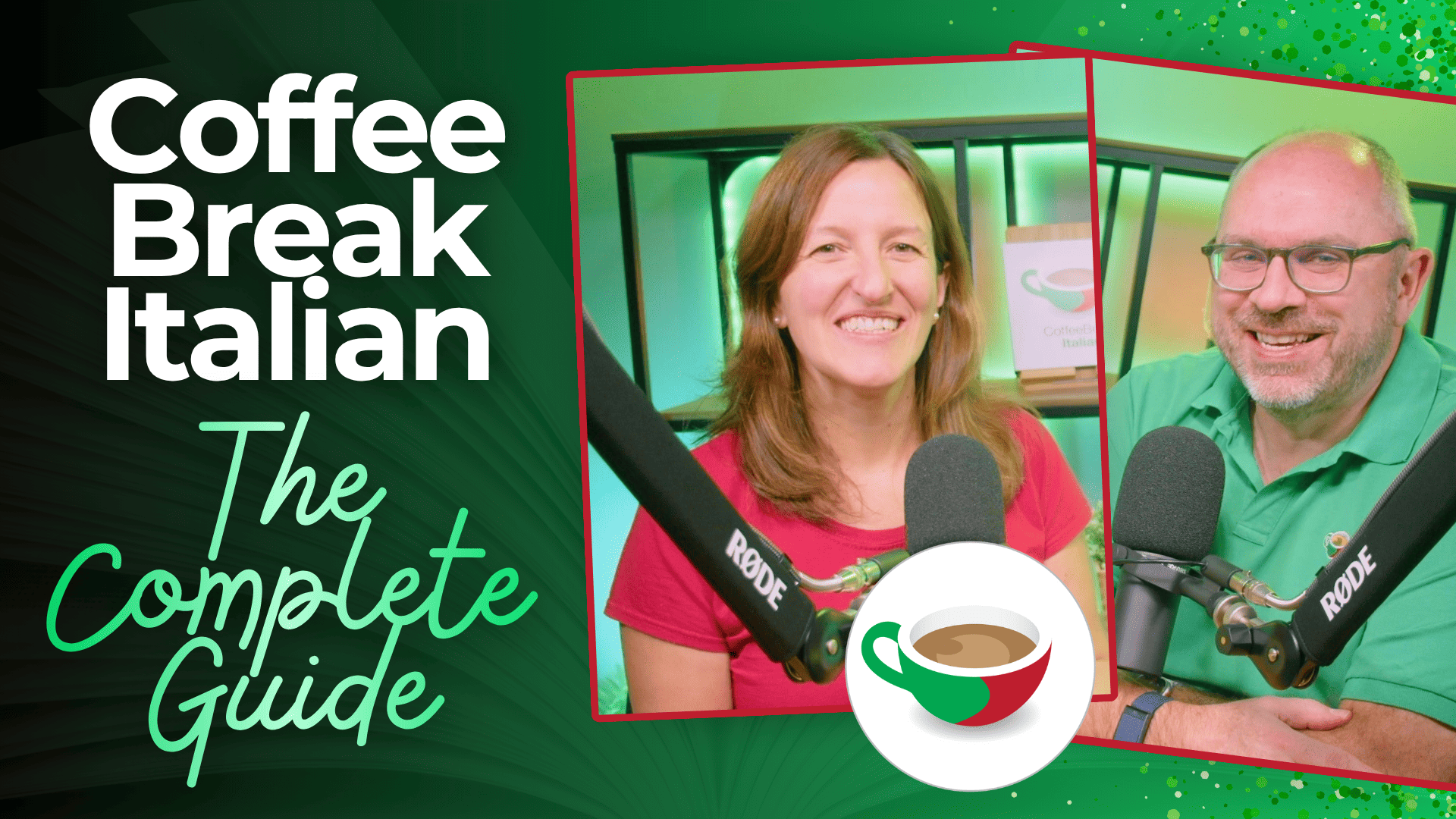
Join Mark and Francesca for this special episode of Coffee Break Italian where we’re talking about something a bit different.
We receive emails and messages all the time asking us “where should I start?”, so we thought we’d answer that in this episode. We share details about how Coffee Break Italian first started and all of the resources we have released since then.
We hope you enjoy hearing about the history of Coffee Break, with a few secrets revealed along the way!
Click here to access our secret link mentioned in the episode.
Coffee Break French – All You Need To Know

Join Mark and Max for this special episode of Coffee Break French, where we’re talking about something a bit different.
We receive emails and messages all the time asking us “where should I start?”, so we thought we’d answer that in this episode. We share details about how Coffee Break French first started back in 2007 – and all of the French resources we have released since then.
We hope you enjoy hearing about the history of Coffee Break, with a few secrets revealed along the way!
Click here to access our secret link mentioned in the episode.
Coffee Break German – All You Need To Know

Join Mark and Thomas for this special episode of Coffee Break German where we’re talking about something a bit different.
We receive emails and messages all the time asking us “where should I start?”, so we thought we’d answer that in this episode. We share details about how Coffee Break German first started and all of the resources we have released since then.
We hope you enjoy hearing about the history of Coffee Break, with a few secrets revealed along the way!
Click here to access our secret link mentioned in the episode.
Is there a ‘best way’ to learn German? A short guide to help you in your language-learning journey
Starting your journey to learn German can bring up lots of questions, like: is there a single best way to learn? The truth is, the “best” method depends on what works best for you personally!
By trying different methods and choosing a strategy that fits your lifestyle, interests, and learning style, you can find your best way to learn German. To help you find the plan that works for you, we prepared this guide in which we will share some strategies to help you on your language-learning journey.
1. Try (and use) different learning techniques
Many people think there’s just one magical tool or resource that suits everyone, but we believe that mixing various methods for learning a language usually brings the best results.
It’s particularly important to use a combination of resources that allows you to practise reading, listening, speaking, and writing. This way, you’ll strengthen your learning from various angles. For example, you could:
- listen to podcasts to train your ear for the language;
- watch German movies or TV shows with subtitles to pick up conversational phrases;
- use structured language-learning platforms for progressive practice and vocabulary building;
- write short diary entries in German to boost your writing skills.
This multi-tool approach makes sure you’re not just memorising words; instead, you’re actively using them in all sorts of contexts. As you continue on your learning journey, you’ll discover that this mix of techniques could be the perfect way to learn German for you!
2. Have a routine for language learning
We believe that staying consistent is an important part of improving your skills in any language. Instead of just having an occasional study session, short daily practice sessions tend to be much more effective.
So, why not set aside a specific time each day to practise? It could be during your morning coffee, on your commute, or before heading to bed. By weaving German into your daily routine, you’ll find it so much easier to continue making progress.
Remember to regularly revisit what you’ve learned before. We suggest you try spaced repetition, if you can. By reviewing material after longer intervals, you will strengthen your memory and keep what you’ve mastered fresh. The best way to learn German is often by creating a steady, consistent rhythm that helps you retain the language.
For some extra tips for planning your language-learning sessions, check out the video below:
3. Keep a language journal
A couple of paragraphs above, we mentioned writing in your diary in German. Another suggestion that might help you in your language-learning journey is maintaining a dedicated journal for your German studies.
Why? Keeping track of all the new vocabulary you learn can be a motivating and exciting way to improve your language skills. By noting down fresh words, along with example sentences and your own insights on their usage, you’ll create a great personal resource.
For some people, maintaining a ‘tracker’ of the vocabulary and grammar they’ve picked up can provide both a sense of satisfaction and an important source of motivation.
4. If you can, immerse yourself
Immersion can make a big difference in your language-learning journey. If you are not able to visit a German-speaking country, there are other ways you can immerse yourself right at home. For example, you could change your phone’s language settings to German, follow German social media accounts, or read German news sites.
You can also join online forums or groups where members communicate in German. If you like playing video games, why not change the language settings to German while keeping the captions in your primary language?
The more you surround yourself with the language, the more natural it will feel, and the faster you will make progress!
Find your best way to learn German
When it comes to learning German, the best approach depends on your goals, personal style, and how you like to spend your time. This little guide offers some handy strategies to help you get started, but the key is finding a routine that works for you!
If you’re considering starting your German learning journey on your own, be sure to take a look at our blog post full of helpful tips!
CBJ 1.19 | Getting around the town

In the penultimate episode of this season of Coffee Break Japanese, we’re talking about getting around the town. Don’t miss this useful lesson!
From ‘bonjour’ to fluency: how long does it take to learn French?

When you first ask, “How long does it take to learn French?” it might feel a little overwhelming, like standing before Mont Blanc without a map. Remember, though, that the answer isn’t the same for everyone!
Your timeline depends on your personal goals, like whether you want to communicate while on holiday, have conversations with friends or family, or use the language in a professional setting. It’s also influenced by your study habits, any prior experience you may have, and how much time you can dedicate to learning.
In this guide, we’re excited to help you understand the timeline for learning French. We’ll explore the key factors influencing your progress and share some practical strategies to help you reach your target.
How long does it take to learn French and why do timelines vary?
So, how long does it take to learn French? Well, everyone’s journey to learning French is unique, and many different aspects can influence your progress. There’s also the consideration of what you define as “having learned French” – what your goal is – whether you want to achieve basic conversational skills or aim for advanced proficiency.
The Common European Framework of Reference for Languages (CEFR), which serves as the international standard for categorising learning levels and the framework we use here at Coffee Break, gives a general timeline for each stage. If you’re looking to order a coffee or food and enjoy a chat with locals while on holiday, aiming for an A1–A2 level (which takes around 60 to 160 hours of study) is usually plenty. For those who wish to converse more comfortably with family and friends, reaching an A2–B1 level (about 160 to 360 hours of study) will suit you nicely.
On the other hand, if you need French for business meetings, presentations, or academic research, you will be aiming for a B2–C1 level, which requires roughly 560–810 hours of study.
So, why do the timelines vary so much? As we’ve discussed before, there are a few important factors that can shape your language-learning journey. It’s essential to think about your goals and what “fluency” really means to you! If you’re looking for some guidance on setting your goals, you might want to check out this video that Mark, the founder of Coffee Break Languages, has created:
Additionally, if you already speak another Romance language, like Spanish or Italian, then you may find that French grammar and vocabulary feel much more intuitive, providing you with a useful head start. Or, if you studied French in school, you probably remember some key structures and phrases, making getting started again with the language a little easier.
Another factor that helps explain why timelines for learning the language can be different for each learner is how frequently you practise. Instead of focusing on long study sessions just once a week, setting aside 15–20 minutes (or even 5–10) each day for consistent practice often leads to smoother progress and helps you feel less overwhelmed.
That’s why our Coffee Break French lessons and podcasts are designed to fit into your daily routine, for example during your coffee (or tea!) break. Our microlearning approach allows you to enjoy learning in bite-sized lessons and explore engaging content during short, focused sessions that fit perfectly into your day.
Tips to help you speed up your learning
Now that you know how long it takes to learn French, you might be looking for ways to speed things up. If so, we’ve got a few suggestions that our amazing team of Coffee Break tutors and fellow learners swear by.
You can mix and match resources, like podcasts, reading, and apps that will help you memorise new vocabulary in fun ways.
Secondly, consider immersing yourself in the language as part of your daily routine. You might switch your phone to French, enjoy watching French series, or follow French social media accounts.
Thirdly, keeping track of your progress is so important to help you speed up your learning. Celebrating small milestones can truly be the key to staying motivated, and it’ll keep your eagerness to learn growing!
Finally, it might be tempting to view fluency as the ultimate goal, but remember that being understood in everyday situations matters more than perfection.
Now that you are familiar with how long it takes to learn French, are you excited to start learning? Check out more about Coffee Break French lessons and levels, and get started today!