
Why learn Norwegian? 7 reasons that make it kjempefint!

Norway Landscape

Learning a new language is always an enriching experience, as it is a great exercise for your brain, a beautiful way to learn about new cultures and so forth. But why learn Norwegian? 

We believe several reasons make it a great idea, therefore, we prepared this blog post to talk about the interesting aspects of the Norwegian language and why learning it is kjempefintreally great!

1. Ja, vi elsker dette landet!

The Norwegian National Anthem begins with the line “yes, we love this land”, and really, how could you not? With some of the most beautiful places you’ll ever see, Norway must be in the top 5 most Instagrammable countries you’ll ever visit! 

In our opinion, this is reason enough if you are thinking ‘Why learn Norwegian?’. Especially because if you can speak litt norsk a little Norwegian, then your experience there will be all the more fulfilling.

2. Two for the price of one

Believe it or not, there are actually two official, recognised versions of written Norwegian. They’re called Bokmål (literally book tongue) and Nynorsk (new Norwegian). Children in Norwegian schools have to learn both forms, but no one really speaks either form: everyone speaks their own dialect! 

Don’t worry, though – most dialects will likely be understood by most Norwegian speakers, as Norwegians are used to hearing different dialects all the time.

3. One word + one word = much more than two words

Another answer to the question ‘Why learn Norwegian?’ is the versatility that the words have in the language. There are a huge number of compound words in the Norwegian language, and very often, the word takes on a whole new meaning. 

Take, for example, soloppgangwhich literally means sun up going. This is the word used for sunrise. However, our favourite compound word in Norwegian has to be the word for outer space. Going back to Norse mythology, Odin established the different realms (or “rooms”) of the universe, making outer space verdensrommet, or the room of the world.

4. Sitt under the tre with your søster and read your bok

Guess what? There are already many words in the Norwegian language that you already know! There are a huge number of cognates – words with similar roots – between English and Norwegian and you’ll be able to work out the meaning of many Norwegian words simply by listening to them or reading them. 

Some examples are bok book, tre tree, over  over, familie family, søster sister, telefon telephone and there are lots more! English and Norwegian are both Germanic languages and so they’re related.

 5. Jeg er, du er, han er, hun er…

Why learn Norwegian? Another reason is the fact that, grammatically, it’s really quite easy! If you’re used to six forms of conjugated verbs in other languages such as Spanish or French, worry no more. 

In Norwegian, there’s just one form for each tense! So I am is jeg er; you are is du erhe is is han er; and she is translates as hun er. That means that “am”, “are” and “is” in English are all simply translated by one word in Norwegian: er. Så lett – so easy!

6. Three for the price of one

There’s another bargain to consider! If you understand Norwegian then you’ll be able to understand a fair bit of Swedish as many words are similar: to say “I understand a little English” a Norwegian would say jeg forstår litt engelsk and a Swede would say jag förstår lite engelska

And that’s not all: since written Norwegian (Bokmål) was based on written Danish, Norwegians can understand written Danish very easily. You’ll even be able to recognise words in Icelandic and Faroese, two other languages which derived from Old Norse.

7. You can learn in minutes – for free!

If you are wondering ‘Why learn Norwegian?’ or ‘Should I learn Norwegian?’, here is one final reason to go for it: you can learn in minutes, for free! We have prepared a playlist, presented by native speaker Dag, where you’ll quickly pick up the basics of this beautiful language. 

The lessons cover greetings, introductions, and counting and you’ll learn to say that you speak a little Norwegian. Although Norwegians generally speak amazing English, you can guarantee that when you say jeg snakker litt norsk to a native speaker they’ll smil from øre to øre!

So, whether you’re interested in travelling to this beautiful country, have a go at learning a different language, or want to get your foot in the door of understanding all that Scandinavia has to offer, Norwegian could be the key to a treasure chest of Nordic delights:

Get your ducks in a row with these 10 interesting international idioms

A row of bright yellow rubber ducks lined up on a reflective surface, fading into the background.

The English language is filled with innumerable intriguing expressions. For example, one way to describe rotten, wet weather is to say that it’s raining cats and dogs, and sometimes the only way to punish someone for letting the cat out of the bag is by giving them a taste of their own medicine. Of course, other languages are no different, so today we are looking at some international idioms!

They may seem ridiculous to some but don’t judge a book by its cover. There is a method to the madness that is an idiomatic expression and, often, it might be the only thing that truly hits the nail on the head.

Let’s stop beating around the bush and get these out of our system! 

What are idioms?

Before talking about some amazing international idioms, you must have a good understanding of what idioms are. It might sound quite like a basic understanding, but reviewing a concept is always a good thing. 

Idiomatic expressions are phrases that convey a figurative meaning distinct from the literal interpretation of the words used. For example, when we used ‘ducks in a row’, meaning ‘get ready and be prepared for what is going to happen’ – AKA talking about idioms, in the title of this article.

As one could expect, they are deeply embedded in the culture and everyday language of a community, reflecting the values and humour. They often originate from historical events, cultural practices, literature, or even everyday experiences.

So, if you’re learning a new language, you should not forget to learn some international idioms too!

10 curious and fun international idioms 

Exploring international idioms offers interesting insights into how different cultures express everyday ideas creatively. So let’s check 10 curious and fun expressions from around the world:

1. Haut comme trois pommes

To start off our list of international idioms, we present to you this amusing French idiom. If you ever visit France or find yourself in the presence of French speakers, you may hear a person described as being “haut comme trois pommes”. 

This short phrase literally translates back to English as “three apples tall” and is used to describe someone’s (lack of) height.

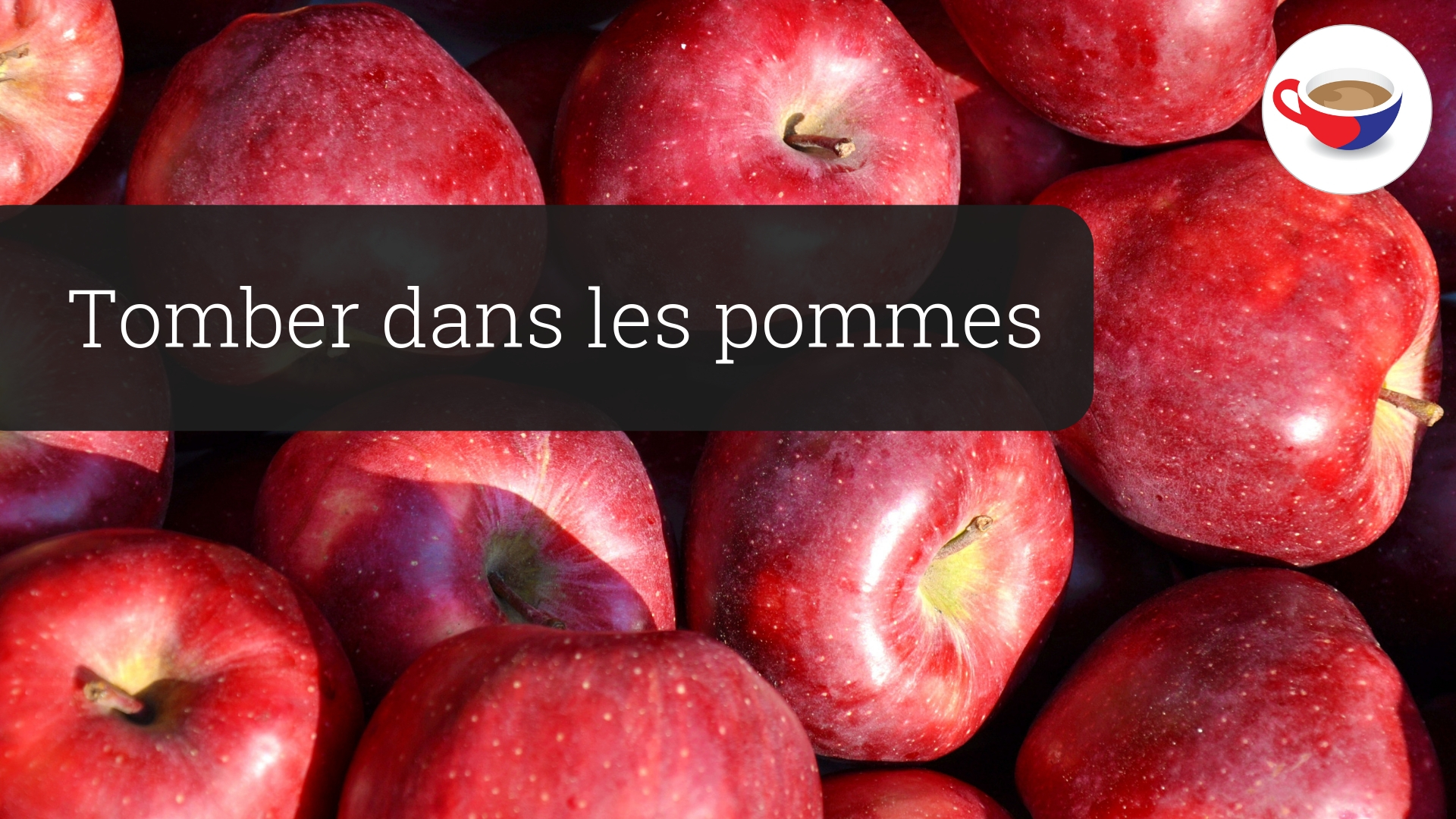
2. Tomber dans les pommes

We’re sticking to French and apples with this next idiomatic expression. Now, if for some reason you were to faint, we’re going to assume that you’d prefer to land on, say, a collection of cushions or even a comfy seat. 

We’d guess you probably wouldn’t like to land on a pile of apples. Would we be right? This French phrase literally means “to fall in the apples” and is used if someone faints. Ouch

3. Encontrar tu media naranja

The next stop on our list of international idioms is Spain, and you guessed it: we’re still talking about fruit. Telling someone that they are your “half orange” probably won’t mean much and might actually sound quite strange if they are not familiar with Spanish. 

However, to a Spanish speaker “encontrar tu media naranja” means to ‘find your soulmate’ and so “media naranja” can be used to mean your ‘other/better half’.

4. Echar agua al mar

We will remain with Spanish for the next expression on our list! If you’re ever in need of the perfect expression to use when someone’s actions are unbelievably pointless, then you need to look no further; Spanish speakers have got you covered! “Echar agua al mar” means “to throw water into the sea”. It doesn’t get much more pointless than that.

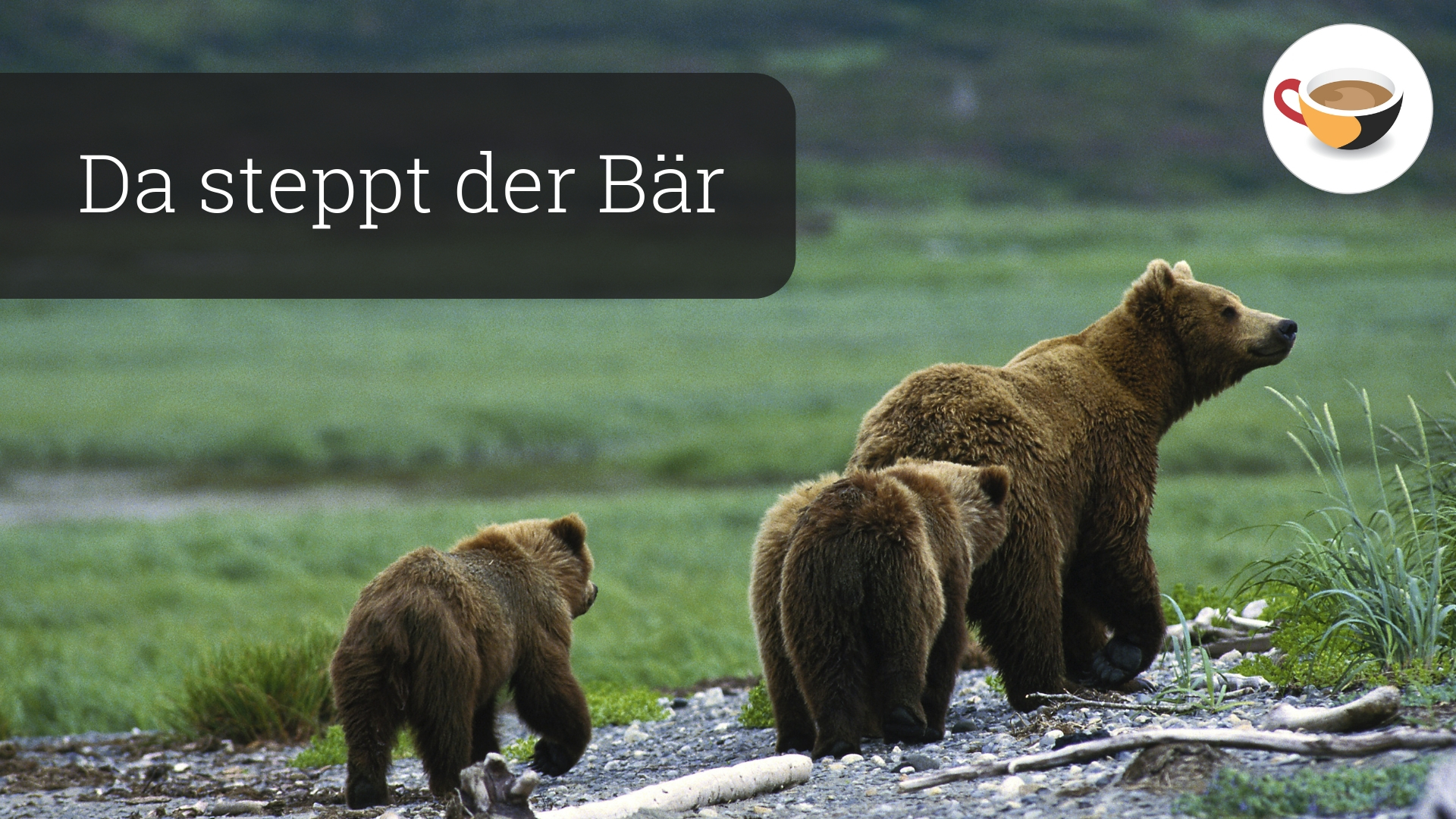
5. Da steppt der Bär

Continuing with animal-related international idioms, we make our way over to Germany. Literally, “da steppt der Bär” means “the bear dances there”. So, if you’re confused by a German party invitation and are perhaps worried you may be sharing your company with some giant grizzly bears, don’t fret, as this just means “it will be a good party”.

6. Tomaten auf den Augen haben

Here we have yet another fantastic fruit-related idiom for you to add to your language repertoire! We all have that one friend who is a bit oblivious and unaware of what’s happening in the world around them (if you can’t think of who that friend is, then it might just be you). 

Well, in Germany, it’s said that these people are so blind to situations and their surroundings because they have “tomatoes on [their] eyes”. We suppose that would make it quite difficult to see, so we’ll let them off the hook!

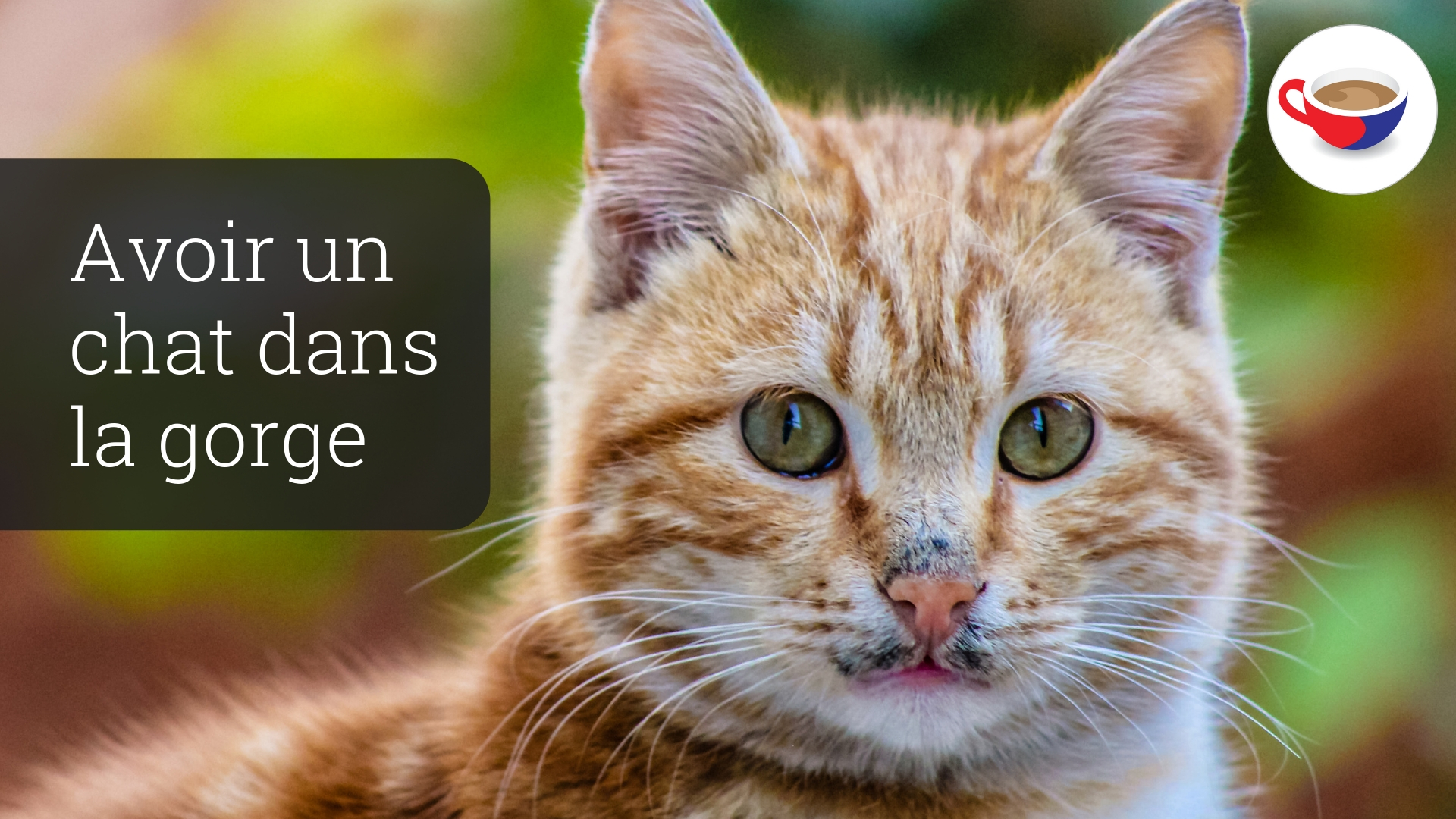
7. Avoir un chat dans la gorge

Next up, we have another French idiom to add to your fast-growing list of international idioms! You may be familiar with the saying used commonly by English speakers, to have “a frog in your throat”. This odd expression means to have a croaky voice and struggle to speak as a result of it. 

However, take a trip to France and you will find that this phrase changes slightly. Apparently, instead of having frogs in their throats (like English speakers), French speakers actually have cats in their throats! Avoir un chat dans la gorge; “to have a cat in your throat”.

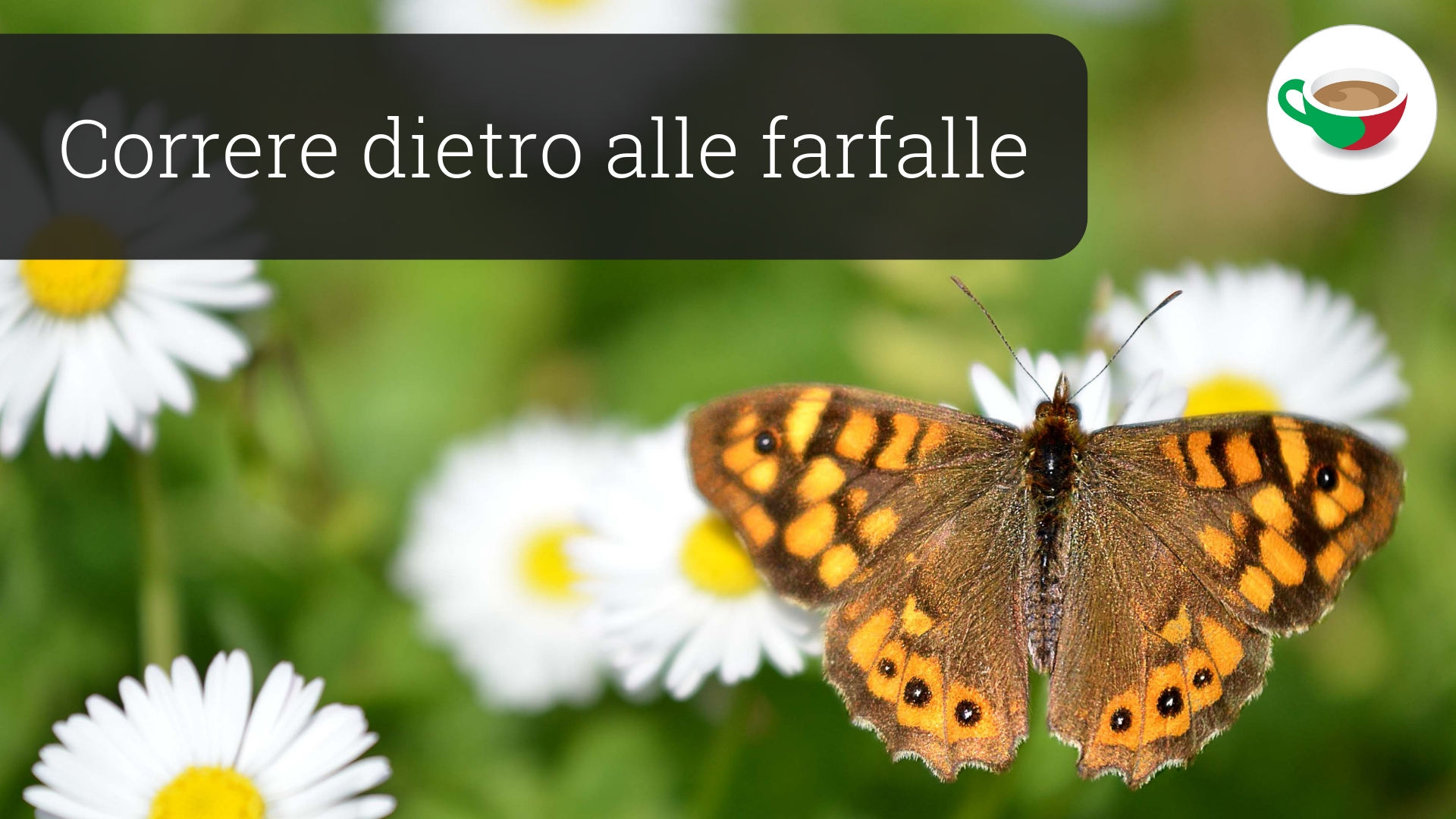
8. Correre dietro alle farfalle

For our next idiomatic expression, we ask you to imagine yourself running through the grass, chasing beautiful butterflies on a shining summer’s day. Seems like a picturesque scene taken straight out of a film, right? Well, not to Italians. 

In Italy, what “[running] behind the butterflies” actually means is to pointlessly chase after something. Not quite the blissful scene that you may have initially imagined, but is it as pointless as throwing water into the sea? We’ll leave that up to you to decide.

9. Reggere la candela

We’ll continue with Italian for the next item in our list of international idioms, which is rather funny if imagined literally. “Reggere la candela” is a fantastic expression and it literally means “to hold the candle”. 

To put this into context, picture a couple out for a lovely, romantic meal. Now, picture a friend holding a candle over the middle of the table for them as they dine. This is similar to – and just as awkward as – the English expression, where that friend is the “third wheel”.

10. Non tutte le ciambelle riescono col buco

Last, but certainly not least, we have our final expression in our list of international idioms. At some point in life, something won’t turn out as you had hoped, and at that point, your only option will be to simply shrug it off. 

Luckily for you, Italian speakers created the perfect expression for when that time comes. Not everything goes to plan, just as “not all doughnuts come out with a hole”.

And with that, we will call it a day on our list of international idioms. We hope that these have been interesting and that you’ve learned something new. You never know, you might end up using these one day – but we’ll leave you to cross that bridge when you come to it! 

If you liked this article and want to receive more content like this in your inbox, subscribe to our newsletter! We are sure you will learn something new and interesting every week.