In lesson 05 of One Minute Norwegian you’ll learn to say that you’re learning Norwegian.
Download episode | Subscribe in iTunes | RSS Feed | Bonus Materials

In lesson 05 of One Minute Norwegian you’ll learn to say that you’re learning Norwegian.
Download episode | Subscribe in iTunes | RSS Feed | Bonus Materials
In lesson 01 of One Minute Luxembourgish you’ll be learning how to say “hello” and “goodbye”, two very important phrases for any conversation!
Download episode | Subscribe in iTunes | RSS Feed | Bonus Materials
Moien – hello! My name is Julie and I’d like to welcome you to One Minute Luxembourgish from the Radio Lingua Network. In this podcast I’m going to be teaching you the basics of Luxembourgish. The great thing about this language course is that you’ll be learning all you need to know in just 60 seconds – or thereabouts! Each one-minute language lesson will equip you with just enough Luxembourgish to help you get by in lots of situations, either on holiday, or on a business trip to Luxembourg. One thing’s for sure: you’ll be guaranteed to impress native Luxembourgish speakers by speaking their language! Our course will be starting very soon. in the meantime, visit our website on http://www.oneminutelanguages.com
Download episode | Subscribe in iTunes | RSS Feed | Bonus Materials
 We’re delighted to announce the latest addition to our One Minute Languages range, One Minute Luxembourgish. Luxembourgish is one of three national languages in Luxembourg and is very close to German but has heavy French influences both in certain aspects of vocabulary and in pronunciation. One Minute Luxembourgish was, in fact, the very first of our OML courses to be recorded. By chance, Julie, our Luxembourgish teacher, happened to be staying with friends in Scotland and we thought it would be a good idea to invent a short course which could be produced quickly during her stay. We recorded ten episodes of the show one afternoon and the One Minute Languages idea was born. We’re finally ready to release OML Luxembourgish to the world and it is our sixth title in the series. Coming soon: Catalan and Japanese!
Dining out in a foreign country can be challenging, especially when you have dietary requirements. Understanding the necessary French restaurant vocabulary can make your dining experience much more enjoyable and stress-free.
This guide will help you navigate French menus and communicate your dietary needs effectively. Check it out!
Here are some useful words of items you can find at the restaurant and that you might need to ask for if any is missing from your table.
When explaining your dietary preferences, it’s crucial to use the correct terms. Here are some essential phrases of French restaurant vocabulary :
Being clear about what you can and cannot eat is vital. Here are some helpful phrases:
Would you like to hear all of this French restaurant vocabulary pronounced? Listen to episode 18 of Season 1 of the Coffee Break French podcast for more insights and useful phrases to learn how to deal with dietary requirements in French.
Food allergies require clear communication to avoid any health issues. Use these useful French restaurant vocabulary phrases to discuss your allergies:
Sometimes, you might need to make specific requests about your food. Here’s how you can do that:
If there is an issue with your meal, it’s important to know how to communicate this politely:
If you enjoyed your meal, it’s always nice to compliment the chef:
Understanding and using the correct French restaurant vocabulary is essential for dealing with dietary requirements in French restaurants. By mastering these phrases, you can confidently communicate your dietary preferences and enjoy your dining experience without worry. Whether you’re a vegetarian, vegan, or have specific allergies, this guide will help you navigate French menus and ensure your meal meets your needs. Bon appétit !
Do you want to keep improving your French skills and revise all that we learned so far? Then check the article we prepared to help you revise the previous French lessons.
In lesson 04 of One Minute Norwegian you’ll learn how to say you don’t understand something.
Download episode | Subscribe in iTunes | RSS Feed | Bonus Materials
In lesson 03 of One Minute Norwegian you’ll be learning how to say you speak a little Norwegian.
Download episode | Subscribe in iTunes | RSS Feed | Bonus Materials
In lesson 02 of One Minute Norwegian you’ll be learning a few more useful words in Norwegian.
Download episode | Subscribe in iTunes | RSS Feed | Bonus Materials
In the final lesson of this unit of the course you will learn some useful phrases including “Happy Christmas”, “Good Luck” and “I love you”!
Download episode | Subscribe in iTunes | RSS Feed | Bonus Materials
 Happy St Patrick’s day from the Radio Lingua Network. In addition to launching our brand new One Minute Norwegian podcast today we also have a special recording from Eoin of One Minute Irish fame (currently#1 Education podcast in Ireland!) which will teach you how to say “Happy St Patrick’s day” in Irish! And if a pint of Guiness isn’t your thing, all this week you can get 25% off in the store on any of our products by using the coupon code stpatrick.
In lesson 01 of One Minute Norwegian you’ll be learning how to say “hello” and “goodbye”, two very important phrases for any conversation!
Download episode | Subscribe in iTunes | RSS Feed | Bonus Materials
 We’re delighted to announce that the latest addition to our One Minute Languages range will be launched on Monday 17th March. Since we’ve already introduced One Minute Irish, we have decided to use St Patrick’s day to launch One Minute Norwegian. You can access the podcast online or subscribe already in iTunes. Like our other One Minute Languages courses, the podcasts will be published weekly and each lesson will include a few useful phrases in Norwegian. Lykke til!
Ordering food in a French restaurant can be an enjoyable experience if you know the right vocabulary and phrases. We already discussed the structure you need to follow for asking for a snack at a café, but this guide will help you learn how to order food in French from a restaurant.
You’ll also get familiar with the vocabulary necessary for making a reservation and asking for the bill. By the end of this post, you’ll be confident in handling any dining situation in France.
When you arrive at a restaurant or call to make a reservation, you might be asked:
If there is a terrace, they might give you the option. You will then have to choose if you prefer to eat inside or outside.
Once you arrive, the waiter or waitress might say this. This phrase invites you to follow the host to your table.
This is a polite way to inform you that no tables are available.
They may offer you the option to wait. This question asks if you are willing to wait for a table to become available.
After being seated, you will be given the menu:
If you need an English or a children’s menu, you can ask:
This is helpful if you are not fluent in French and need an English translation of the menu.
Use this question if you are dining with children and need a kid-friendly menu.
For families with young children, you might need:
Would you like to learn the pronunciation of these phrases? In episode 17 of Season 1 of the Coffee Break French podcast, you can get more insight into them and also learn other useful phrases to know how to order food in French at a restaurant. Listen to it now:
When it’s time to order, this is where you will have to know how to order food in French, the waiter might ask:
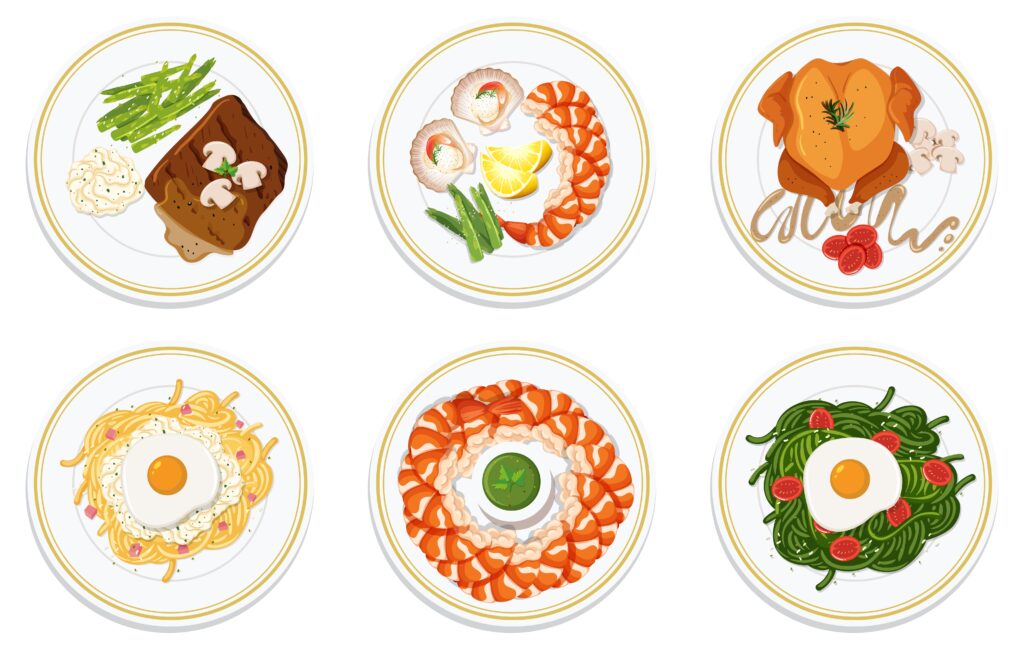
Here are some common dishes and how to order them:
If you order a steak, you need to specify how you want it cooked, this is very useful to know how to order food in French:
If you have any special requests or allergies, it’s important to communicate them:
When you’re ready to leave, don’t forget to ask for the bill:
Learning how to order food in French will greatly enhance your dining experience in any French-speaking country. By knowing how to communicate your preferences and allergies, you can ensure a pleasant meal. Keep practising these phrases, and soon, you’ll feel comfortable and confident ordering food in French restaurants. Bon appétit !
Do you want to keep improving your French skills and learn more useful phrases to use at the restaurant? Then check the article we prepared to help you talk about dietary restrictions.
In this lesson, the last lesson of this unit of One Minute German, you’ll learn to say a few useful phrases including “Happy Christmas”, “Good luck” and “I love you”!
Download episode | Subscribe in iTunes | RSS Feed | Bonus Materials
In this lesson you will be learning to ask people how they’re feeling and to answer the question yourself.
Download episode | Subscribe in iTunes | RSS Feed | Bonus Materials
Hei! Jeg heter Dag – my name is Dag and welcome to One Minute Norwegian. In this podcast I’m going to be teaching you norsk, the Norwegian language. The great thing about this language course is that you’ll be learning all you need to know in 60 seconds! Yes, each one-minute language lesson will equip you with just enough Norwegian to help you get by in lots of situations either on holiday or on a business trip to Norway, or just to impress your Norwegian-speaking friends and colleagues.
Our course will be starting very soon. In the meantime, for more information, you can visit our website on www.oneminutelanguages.com. Ha det bra!
Download episode | Subscribe in iTunes | RSS Feed | Bonus Materials
In lesson 09 you’ll learn to ask people how they’re feeling and to answer the question yourself.
Download episode | Subscribe in iTunes | RSS Feed | Bonus Materials
 The gloves are off! We’ve been watching the iTunes US podcast charts all week with great interest and despite moving into a higher position than the previous #1 This American Life from Chicago Public Radio, a new entry has suddenly climbed up to the top-spot: Oprah and Eckhart Tolle’s “A New Earth” is an “exclusive online class” starting March 3rd. So, the big question is: can the humble Coffee Break Spanish knock the mighty Oprah and Eckhart off the top spot? Can we from our little studio here in the West of Scotland beat the multi-million dollar industry that is Oprah Winfrey? Can the “little guy” (I’m actually 6’2…) beat the traditional media moguls as they play the new media game? Well, we’ll see… but if anyone happens to notice in the next few hours and days a little red and yellow coffee cup edge past Oprah on iTunes, PLEASE get a screen grab for me if I miss it! May the best pod win!
Lesson 08 introduces the numbers from one to ten.
Download episode | Subscribe in iTunes | RSS Feed | Bonus Materials
Ordering snacks in a café is a delightful part of French culture. Therefore, learning how to say “I would like in French” and other key expressions will ensure you get exactly what you want.
So, whether you’re looking for a quick bite or a leisurely meal, knowing how to order snacks in French will enhance your café experience. In this blog post, we will cover essential phrases and vocabulary to help you confidently place your order.
When you walk into a café, the server might greet you with:
To respond politely and express what you want, you can use the phrase “I would like” in French:
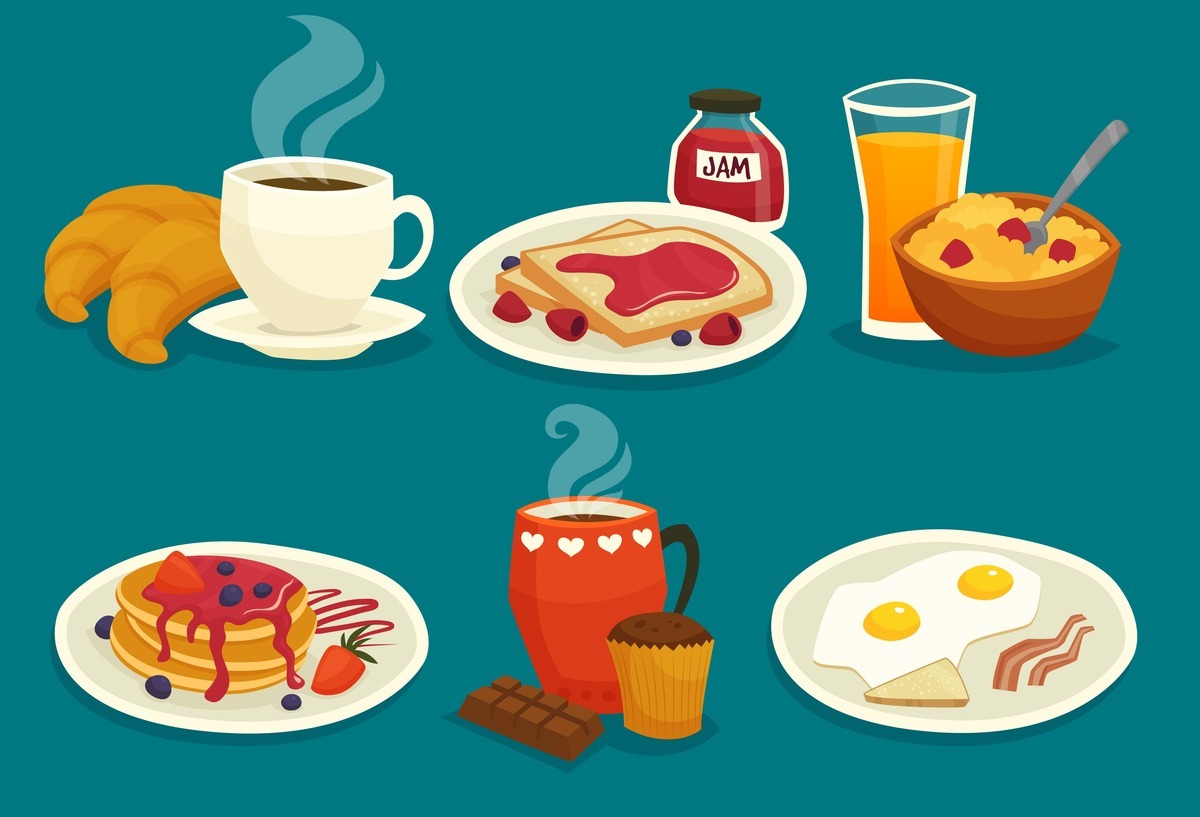
Here are some popular snacks you can order in a French café:
For example:
To make your experience even more authentic, you might want to express your hunger or thirst:
For instance, if you are very thirsty, you might say:
Would you like to learn the pronunciation of these phrases? In episode 16 of Season 1 of the Coffee Break French podcast, you will learn how to pronounce properly the phrase “I would like” in French. You will also get more insight into these phrases and also learn other useful phrases. Listen to it now:
If you’d like another drink or snack, you can use “I would like in French” again:
Sometimes, you might want to confirm if you can eat at the café:
When your snacks arrive, the server might say:
If you are enjoying a drink with friends, you can toast by saying:
When you’re ready to leave, don’t forget to ask for the bill:
To illustrate how to order snacks and use the phrase “I would like” in French, here’s an example dialogue:
Translation:
Ordering snacks in a café is a pleasant and necessary skill for anyone spending time in a French-speaking area. By learning how to say “I would like in French” and other key phrases, you can ensure you get exactly what you want and enjoy your café experience to the fullest. Practice these phrases, and you’ll soon feel more confident and comfortable ordering snacks in French. Bon appétit!
Do you want to keep improving your French skills and learn how to order food at the restaurant in French? Then check the article we prepared to help you order food in French.