 There is great excitement here at Radio Lingua as we discovered this morning that Coffee Break Spanish is currently the second most popular podcast in the US according to iTunes. That’s second most popular of all podcasts, not just Education, and at the last count I heard that means 120,000 podcasts. The question is: will we reach number 1? It’s pretty impossible to know how far away we are from This American Life from Chicago Public Radio, but it would be fantastic to be #1, even just for a short while! We’ll keep you posted…
Lesson 08 – One Minute German
In lesson 08 of One Minute German you’ll learn to count from 1-10.
Download episode | Subscribe in iTunes | RSS Feed | Bonus Materials
Lesson 07 – One Minute Russian
In lesson 07 you’ll learn to say that it’s nice to meet people. You’ll also learn to ask people to help you with your Russian.
Download episode | Subscribe in iTunes | RSS Feed | Bonus Materials
Radio Lingua supporting the Euroscola visit, reporting live from Strasbourg, France
 Here are Radio Lingua we’re continuing to develop our range of services and for the past few months we’ve been supporting a number of projects within the education space in the UK and elsewhere in Europe. This week, Mark is in Strasbourg, France, working with a number of colleagues leading a student visit to the European Parliament. The students have been selected to represent their local area and are being sponsored to take part in this visit by Rotary International. The visit also receives funding from the European Parliament.
In addition to working with the other teachers who are supporting the visit, Mark is producing an on-going video and audio podcast with the students. The entire visit is being documented at www.euroscolaonline.com and you can subscribe to the video podcast in iTunes.
Lesson 07 – One Minute German
In lesson 07 you’ll learn to say it’s nice to meet people, and to ask people for some help learning German.
Download episode | Subscribe in iTunes | RSS Feed | Bonus Materials
How to order a coffee in French? 3 essential phrases
When visiting a French café, knowing how to order a coffee in French is essential for enjoying the local culture. In this blog post, we’ll cover the necessary vocabulary and phrases to help you confidently order your favourite beverages in French.
Whether you’re in a bustling Parisian café or a quaint village bistro, these tips will ensure you get exactly what you want.
Understanding coffee varieties
Before you get familiar with how to order a coffee in French, you must know the different types of coffee you can order in a French café:
- un café a coffee – This is typically a small, strong espresso.
- un café au lait a coffee with milk – Similar to a latte, it’s made with equal parts coffee and hot milk.
- le lait the milk – Essential for your café au lait.
- un café crème a coffee with cream – Espresso with a small amount of cream.
- un grand crème a large coffee with cream – Similar to un café crème but in a larger cup.
- un allongé a long coffee – An espresso with added hot water, similar to an Americano.
- un rallongé an extra-long coffee – Even more water than an allongé, making it a very weak coffee.

Other popular beverages in French cafés
Aside from coffee, you might want to order other beverages in French. Here are some popular choices:
- un thé a tea
- un thé au lait a tea with milk
- un thé au citron a tea with lemon
- un chocolat (chaud) a hot chocolate
- un jus a juice
- un jus d’orange an orange juice
- un jus d’ananas a pineapple juice
- un jus de pomme an apple juice
- une limonadea lemonade
- de l’eau water
- de l’eau plate still water
- de l’eau gazeuse sparkling water
- une bière a beer
- un verre de … a glass of …
- un verre de vin (a glass of wine)
- une bouteille de … a bottle of …
- le vin rouge red wine
- le vin blanc white wine
- le vin rosé rosé wine
Would you like to hear these phrases pronounced and used in context? Listen to episode 15 of Season 1 of the Coffee Break French podcast for more insights and useful expressions.
How to order a coffee in French: 3 essential phrases
The waiter might ask, ‘Vous désirez ?’ What would you like?, to which you can respond with your choice of coffee or beverage in French.
When you’re ready to order, use one of these three essential phrases to ensure you get the coffee you want:
- Je voudrais … I would like…
- Pour moi … For me…
- Pour mon …, For my…, – you can use this phrase when ordering a beverage for someone else.
Let’s check some examples:
- Je voudrais un café. I would like… a coffee.
- Pour moi, un café au lait. For me…, a coffee with milk.
- Pour mon père, un grand crème. For my father, a large coffee with cream.
- Pour ma mère, un allongé. For my mother, a long coffee.
- Pour mon ami, un thé au citron. For my (male) friend, a tea with lemon.
- Pour mon amie, un chocolat chaud. For my (female) friend, a hot chocolate.
Example order dialogue
To illustrate how to order a coffee in French, here’s an example dialogue:
- You: Bonjour, je voudrais un café au lait, s’il vous plaît. Hello, I would like a coffee with milk, please.
- Waiter: Bien sûr. Et pour vous, madame ? Of course. And for you, madam?
- Your Friend: Pour moi, un thé au lait, s’il vous plaît. For me, a tea with milk, please.
- Waiter: Très bien. Vous désirez autre chose ? Very well. Would you like anything else?
- You: Oui, un jus d’orange pour mon père, et un grand crème pour ma mère. Yes, an orange juice for my father, and a large coffee with cream for my mother.
- Waiter: Parfait. Je vous apporte ça tout de suite. Perfect. I’ll bring that to you right away.
Knowing how to order a coffee in French is a valuable skill that enhances your café experience. By familiarising yourself with the different types of coffee and other beverages in French, you can confidently place your order and enjoy your time in any French-speaking café.
Remember to practice these phrases, and soon you’ll feel right at home ordering your favourite drinks in French. Whether it’s how to order a coffee in French or any other drink, you’ll be well-prepared for your next visit.
Do you want to keep improving your French skills and learn how to order snacks in French? Then check the article we prepared to help you ask for what you want to eat at a French café!
Lesson 06 – One Minute Russian
In lesson 06 you’ll learn to introduce yourself and ask other people their names, a crucial step in making friends and getting to know native speakers.
Download episode | Subscribe in iTunes | RSS Feed | Bonus Materials
Talking about places in town in French
Learning about places in town in French is an essential part of mastering the language, especially if you plan to visit or live in a French-speaking area. In this blog post, we’ll explore common places in town, how to describe their locations, and useful phrases to help you navigate your way around.
By the end of this guide, you’ll be well-equipped to talk about places in town in French confidently.
Common places in town in French
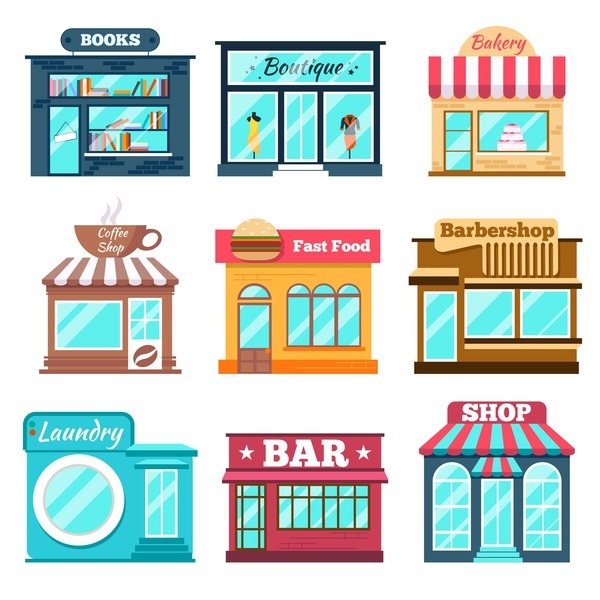
Let’s start with some key vocabulary for places in town in French, these terms will come in handy when you’re describing different places you might visit in a town:
- un musée a museum
- un marché a market
- une banque a bank
- une piscine a swimming pool
Describing Locations
To describe locations, it’s useful to know how to say there is or there are in French, which is il y a. For example:
- Il y a un restaurant. There is a restaurant.
You can also specify locations within your town. For example:
- Dans ma ville, il y a un restaurant. In my town, there is a restaurant.
Phrases for Specific Locations
Here are some useful phrases for describing specific locations in town:
- Dans la ville où j’habite… In the town where I live…
- Près d’ici, il y a un restaurant. Near here, there is a restaurant.
- Est-ce qu’il y a un restaurant près d’ici ? Is there a restaurant near here?
- Le restaurant est près de la cathédrale. The restaurant is near the cathedral.
- La place est loin de la piscine. The square is far from the swimming pool.
- L’office de tourisme est en face de l’église. The tourist office is opposite the church.
- Le marché est en face du restaurant. The market is opposite the restaurant.
- L’église est près du musée. The church is near the museum.
- Le marché est à côté du restaurant. The market is next to the restaurant.
Mastering places in town in French and their locations allows you to navigate and describe your surroundings fluently. Whether you’re discussing where to find key locations or giving directions, these expressions will help you engage in meaningful conversations. Keep practising, and you’ll soon feel more confident and comfortable talking about places in French.
Would you like to hear these phrases pronounced? Listen to episode 14 of Season 1 of the Coffee Break French podcast for more insights and useful phrases.
Example Sentences
Using the vocabulary and phrases above, let’s create some example sentences to see how they fit into everyday conversation:
- Dans ma ville, il y a un marché. In my town, there is a market.
- Près d’ici, il y a une banque. Near here, there is a bank.
- Est-ce qu’il y a une piscine près d’ici ? Is there a swimming pool near here?
- Le restaurant est près de la cathédrale. The restaurant is near the cathedral.
- La place est loin de la piscine. The square is far from the swimming pool.
- L’office de tourisme est en face de l’église. The tourist office is opposite the church.
- Le marché est à côté du restaurant. The market is next to the restaurant.
Practical Dialogue
Let’s see how these phrases can be used in a practical dialogue:
- You: Excusez-moi, est-ce qu’il y a un restaurant près d’ici ?
- Local: Oui, il y a un restaurant près de la cathédrale. Allez tout droit, puis tournez à gauche.
- You: Merci! Et où est le marché ?
- Local: Le marché est à côté du restaurant.
Translation:
- You: Excuse me, is there a restaurant near here?
- Local: Yes, there is a restaurant near the cathedral. Go straight ahead, then turn left.
- You: Thank you! And where is the market?
- Local: The market is next to the restaurant.
By learning about places in town in French, you can enhance your ability to navigate and describe your surroundings. Practice using these vocabulary words and phrases in sentences to become more comfortable.
Whether you’re asking for directions or describing a place to someone else, these skills will help you communicate more effectively in French. Remember, the more you practice, the more confident you’ll become. So, next time you’re talking about places in town in French, use these tips and phrases to guide you.
Do you want to keep improving your French skills? Then check the article we prepared to help you order drinks in French.
Lesson 06 – One Minute German
In lesson 06 you’ll learn to introduce yourself and to ask other people their names.
Download episode | Subscribe in iTunes | RSS Feed | Bonus Materials
Lesson 05 – One Minute Russian
In this lesson you’ll continue to impress your Russian-speaking friends by saying you’re learning Russian, and that it’s quite difficult!
Download episode | Subscribe in iTunes | RSS Feed | Bonus Materials
Radio Lingua på norsk

I’ve just spent the evening recording the latest in our One Minute Languages series in Sandefjord, Norway, with my good friend and former colleague, Norwegian teacher Dag Virik. We recorded the whole series tonight and will be releasing it in a couple of weeks’ time, so if you’re interested in picking up a “litt norsk”, (a little Norwegian) then we’ll be announcing a start date very soon.
Image originally uploaded by Petter Nordby.
Lesson 10 – One Minute Irish
In this final lesson of this stage of the course you’ll learn useful phrases such as “Merry Christmas”, “Happy Birthday” and “I love you” in the language.
Download episode | Subscribe in iTunes | RSS Feed | Bonus Materials
Lesson 05 – One Minute German
In this lesson you will learn to say that you’re learning German, and that you find it quite difficult.
Download episode | Subscribe in iTunes | RSS Feed | Bonus Materials
Lesson 04 – One Minute Russian
Having learned to say that you speak a little Russian in lesson 03, the chances are that Russian speakers will be so delighted to hear you speaking Russian they’ll start talking to you in fast Russian. In lesson 04 of One Minute Russian you’ll be learning the crucial phrase “I don’t understand”.
Download episode | Subscribe in iTunes | RSS Feed | Bonus Materials
Asking and giving directions in French
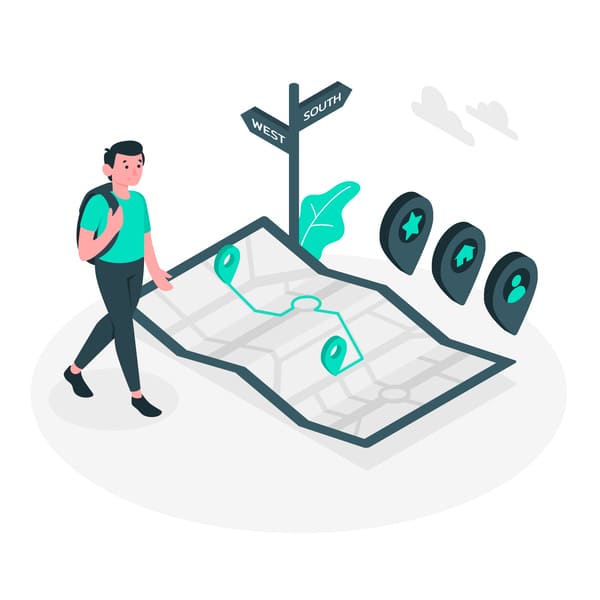
Navigating a new place can be challenging, but knowing how to ask for and understand directions in French makes it much easier. In this article, we’ll cover essential vocabulary and phrases to help you find your way around French-speaking areas.
Whether you’re looking for a restaurant or the nearest bank, these phrases will come in handy.
Key locations
Before we dive into directions in French, it’s important to familiarize yourself with some common places you might need to find:
- le restaurant the restaurant
- le musée the museum
- le marché the market
- le supermarché the supermarket
- la banque the bank
- la cathédrale the cathedral
- la piscine the swimming pool
- la place the square
- l’office de tourisme the tourist office
- l’église the church

Asking for Directions
When you need to ask for directions in French, it’s important to be polite and clear. Here are some essential phrases and how to use them in different contexts:
Où est … ?
This is the simplest and most direct way to ask where something is. For example:
- Où est le restaurant ? Where is the restaurant?
Où est la banque, s’il vous plaît ?
Adding “s’il vous plaît” (please) makes your request more polite. It’s a good habit to include this in your questions, especially when asking strangers for help. For instance:
- Où est la cathédrale, s’il vous plaît ? Where is the cathedral, please?
Où se trouve la banque, s’il vous plaît ?
This phrase is a bit more formal and can be used interchangeably with “Où est la banque, s’il vous plaît ?” It implies that you’re asking for the specific location of the bank. Examples include:
- Où se trouve l’office de tourisme, s’il vous plaît ? Where can I find the tourist office, please?
La banque, s’il vous plaît ?
This is a very concise way to ask for directions in French, often used when you want to quickly grab someone’s attention or when you’re in a hurry. It’s less formal and might be followed by a more detailed question or statement. For example:
- Le supermarché, s’il vous plaît ? The supermarket, please?
Giving directions in French
Once you’ve asked for directions, understanding the response is crucial. And if any French speaker comes to you and asks you about a direction. Here are some phrases you might find useful:
- allez tout droit go straight ahead
- tournez à gauche turn left
- tournez à droite turn right
- et puis and then
Would you like to learn the pronunciation of these phrases to ask and give directions in French? In episode 13 of Season 1 of the Coffee Break French podcast, you can learn how these phrases and more are pronounced in French. Listen to it now:
Proximity Questions
When asking for directions in French, it’s often helpful to know how close or far a location is from your current position. Here are some useful phrases to help you determine proximity:
C’est près d’ici ?
This phrase is a simple and direct way to ask if a location is close to where you are. It’s informal and commonly used in casual conversations. For example:
- Le musée, c’est près d’ici ? Is the museum near here?
Est-ce que c’est près d’ici ? (more formal)
This is a more formal way to ask if something is nearby. It’s useful in more polite or formal contexts, such as when speaking with someone you don’t know well. For example:
- Est-ce que la banque est près d’ici ? Is the bank near here?
C’est loin d’ici ?
This phrase helps you find out if a location is far from your current position. It’s straightforward and informal, suitable for everyday use. For example:
- La cathédrale, c’est loin d’ici ? Is the cathedral far from here?
Est-ce que c’est loin d’ici ? (more formal)
This is a more formal way to ask if something is far away. It’s polite and can be used in more formal situations. For example:
- Est-ce que l’office de tourisme est loin d’ici ? Is the tourist office far from here?
Example dialogue
To give you a practical example of how to ask for directions in French, here’s a dialogue that incorporates the vocabulary and phrases seen above:
You: Bonjour, où est la banque, s’il vous plaît ?
Local: Bonjour ! Allez tout droit, puis tournez à gauche. La banque est à côté de la cathédrale.
You: Merci beaucoup ! Est-ce que c’est près d’ici ?
Local: Oui, c’est très près d’ici, à environ cinq minutes à pied.
Translation:
You: Hello, where is the bank, please?
Local: Hello! Go straight ahead, then turn left. The bank is next to the cathedral.
You: Thank you very much! Is it near here?
Local: Yes, it’s very close, about a five-minute walk.
Mastering directions in French is a valuable skill that enhances your travel experiences and daily interactions in French-speaking areas. By learning key locations and essential phrases, you’ll be well-equipped to ask for and understand directions with ease. Remember to practice regularly and don’t hesitate to ask locals for help—they’re usually more than willing to assist!
Do you want to keep improving your French skills and learn how to talk about what is there in your town? Then check the article we prepared to help you with this!
Lesson 09 – One Minute Irish
In lesson 09 you’ll learn to ask the question “how are you?” and give appropriate answers, depending on your mood.
Download episode | Subscribe in iTunes | RSS Feed | Bonus Materials
Lesson 04 – One Minute German
Having learned to say that you speak a little German in lesson 03, in lesson 04 you’ll learn to say that you don’t understand!
Download episode | Subscribe in iTunes | RSS Feed | Bonus Materials
Lesson 03 – One Minute Russian
In lesson 03 of One Minute Russian you’ll learn to say that you can speak a little Russian. This in itself will guarantee to impress native Russian speakers!
Download episode | Subscribe in iTunes | RSS Feed | Bonus Materials
Lesson 10 – One Minute Polish
In this final lesson of this stage of the course you’ll learn useful phrases such as “Merry Christmas”, “Happy Birthday” and “I love you” in the language.
Download episode | Subscribe in iTunes | RSS Feed | Bonus Materials
Lesson 08 – One Minute Irish
In lesson 08 you’ll learn to count up to ten.
Download episode | Subscribe in iTunes | RSS Feed | Bonus Materials