
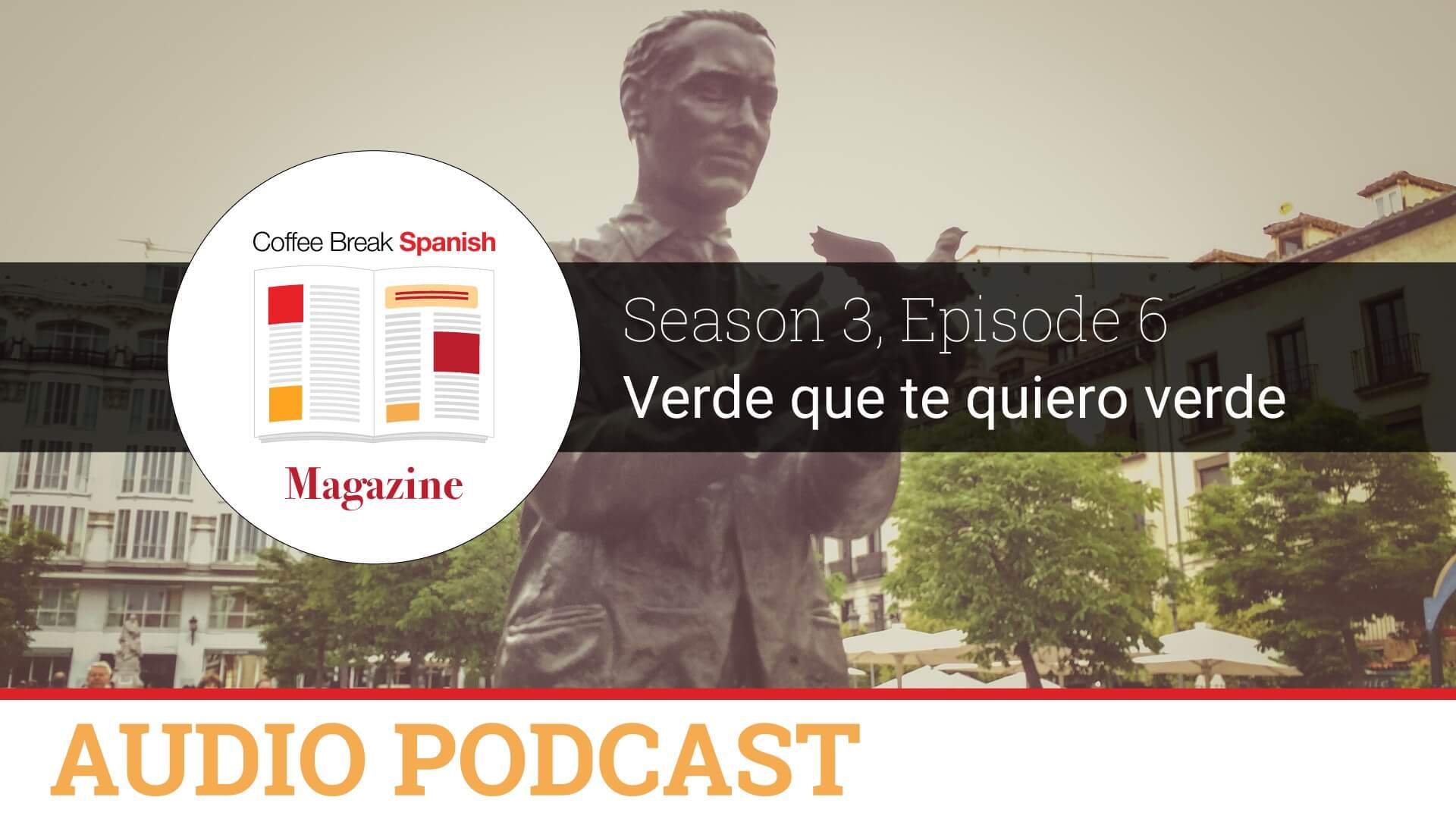
Fernanda, Anabel and Mark are back for another episode of the Magazine and this time they’re talking about the famous Spanish writer Federico García Lorca. Listener Eric has a question about demonyms and Anabel shares an interesting expression.
 Coffee Break Languages
Meet Tony, Coffee Break French learner

 Keen cyclists, Tony and his wife, live on the west coast of Canada and over recent years have cycled a great deal in Canada, the UK and Ireland. They started learning French after planning a 3-week cycling trip to Normandy and have been listening to Coffee Break French on a regular basis ever since their French tutor introduced them to the podcasts. Tony tells us all about his language-learning journey with Coffee Break so far.
One of the first things Tony tells us is how much he and his wife have been enjoying developing their language skills with Coffee Break French: “They (the lessons) have been absolutely fantastic. I would listen to them while running and was able to get through four seasons … subsequently, we purchased Season 3, and plan to buy Season 4.”
Tony often listens to the lessons while running: “Mark became a virtual running buddy – though he never got tired or out of breath!” One of the main things Tony loves about Coffee Break French is the style of the lessons: “Mark is such a great teacher. Clearly he loves what he does, and this really comes across. He has a friendly, approachable style, and can put himself in the shoes of the learner, so he explains everything so well.” Tony also appreciates the fact that the lessons progress at a steady pace, enabling language skills to develop naturally: “The gentle progression from absolute basics through to some quite complicated material seems almost effortless. The methodology is excellent too, with different approaches being chosen for the different levels.”
Both Tony and his wife enjoyed the lessons so much that they decided to sign up for the premium version: “My wife and I found that the Coffee Break French series were an excellent complement to the lessons with the tutor. And really, the emphasis switched so that the tutor supported the CBF courses, rather than the other way around.”
Having returned from their trip to Normandy, Tony was pleased to inform us that their ability to speak and understand French made all the difference. Despite the fact that many people spoke English, there were instances where some knowledge of French came in useful. “There were lots of times when we had to depend on French. We found everyone, without exception, to be friendly and very patient with us.”
Reflecting on their trip, Tony now realises that he had always been wary of going to France due to the fact that he couldn’t speak the language. Thankfully, now, thanks to the confidence he has gained through language learning, he has been able to discover a beautiful part of France. Even though they made mistakes, they still managed to get their point across and even have a few laughs along the way! “In hindsight, I realise that I had had a fear of going to France in the past because I didn’t know the language. That fear disappeared pretty much as soon as we arrived, and we came to enjoy talking to people. Even though we were slow and made many mistakes, we could still have full conversations. And we had many laughs too, especially with people who spoke little or no English.”
Tony leaves us with some final thoughts on his experience with Coffee Break French so far:
“CBF transformed a subject I feared into something that’s fun, rewarding and useful. We’re really keen to continue learning. In particular, I want to recognise Mark’s graciousness in providing so much material without charge. I realise, of course, that he hopes people will be led to purchase the premium courses, but even so, he’s done a selfless public service by producing so many free podcasts.”
CBSw 1.03 | Var kommer du ifrån? – Where do you come from?
In this episode of Coffee Break Swedish you’ll be learning how to talk about where you’re from. We’ll cover countries and nationalities, and you’ll be able to answer the question var kommer du ifrån? We’ll also hear from our Cultural Correspondent Emma who’ll tell us more about the Swedish language and where it’s spoken.
Introducing La Vérité éclate toujours – Coffee Break French Advanced

We’re getting to ready to launch our new advanced course for French learners. It’s called La Vérité éclate toujours and it’s an audio drama which we think you’re going to love. However, this podcast will not be available on the normal Coffee Break French feed. Instead you need to subscribe to a new feed specifically for this new show. If you’re using Apple Podcasts, click here. Alternatively, just search for “Coffee Break French” on your favourite podcast app and you’ll find the new feed for La Vérité éclate toujours there.
Meet the team: Monica
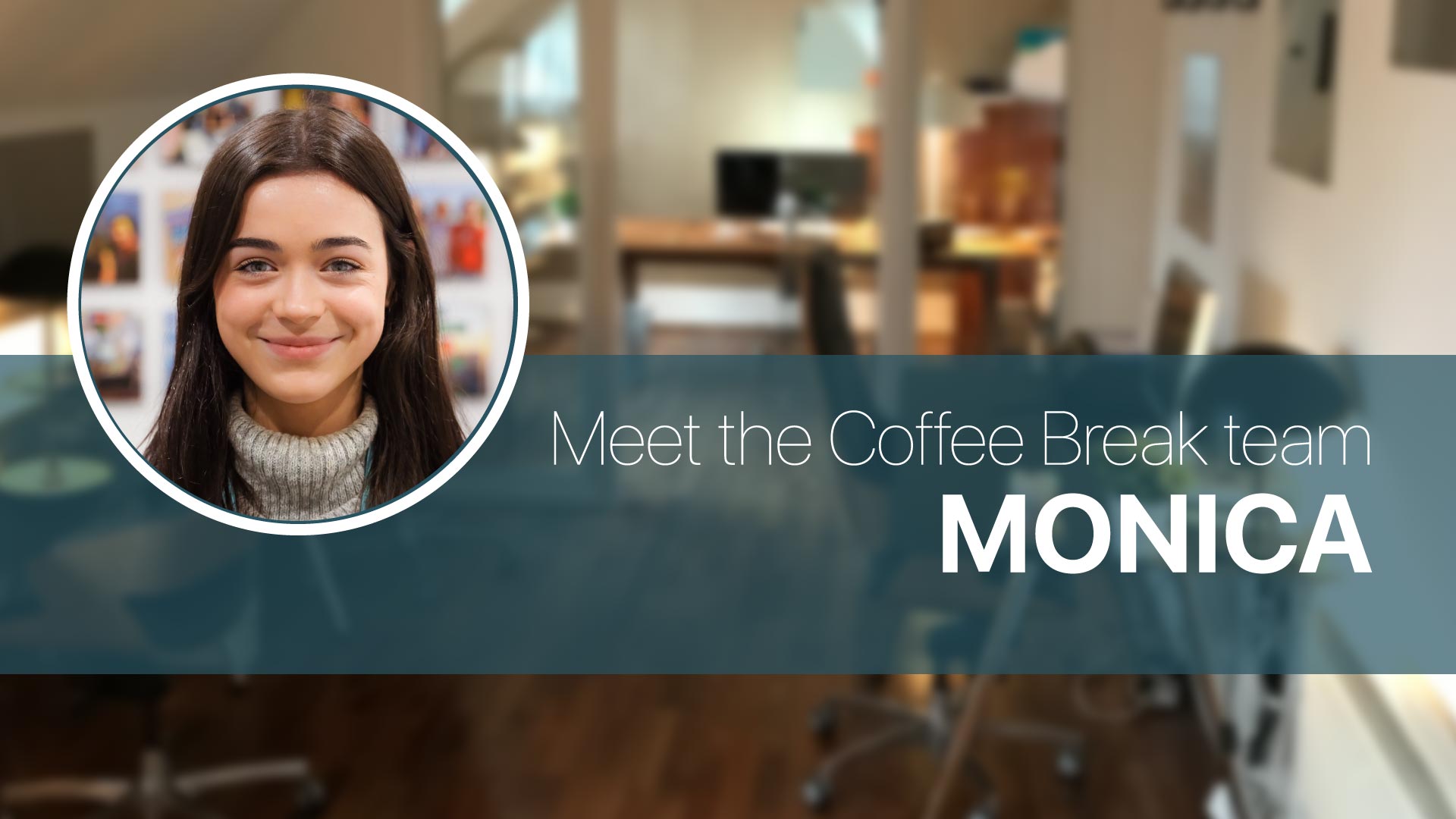
Hello! My name’s Monica and I’m Radio Lingua’s Content Production Assistant. I first started working with Radio Lingua when I was younger on a project called High Five French and, in the past two years, I’ve started working on producing content for a variety of new courses and projects.

What is your role in Coffee Break?
As a Content Production Assistant, my job is very varied and always interesting! Some tasks my job involves include: researching for and writing blog articles, creating graphics to either go with blog articles or be posted on social media, working through the editing process of making video courses, and even travelling to places such as France and Italy to help film footage for new courses.
What experience have you had speaking and learning other languages?
A lot of my experience learning languages has come from Radio Lingua! As I briefly mentioned before, I was part of the High Five French course about 7 years ago now. This really inspired me to keep learning French throughout school and gave me a greater appreciation for language learning in general. My more recent work has involved editing videos which are in other languages such as Italian, German, and Chinese – through this I’ve been able to pick up some words here and there! I am now at university and have taken Spanish as one of my classes as I’d really like to continue learning languages.
What are your favourite memories of working with Coffee Break?
I have lots of amazing memories with Coffee Break, but if I had to pick favourites they would probably be filming High Five French and CBF To Go in France, and filming CBI To Go in Italy – it’s always such a great experience getting to travel for work!

Where would your ideal coffee break be and with whom?
Ooh that’s a difficult one, but I think my ideal coffee break would probably be on a sunny day in the beautiful Tuileries Garden in Paris!
Quick-fire round
• Favourite language: French
• Favourite word/phrase in French: “Bonjour et bienvenue à High Five French”
• Favourite French film: Les Intouchables
• Favourite destination: Paris
“Le temps libre” – Talking about free time in French – Coffee Break French To Go Episode 10
What do you like doing in your free time? In this episode of Coffee Break French To Go, Pierre-Benoît asks the question, qu’est-ce que tu fais pendant ton temps libre ? (informal) or qu’est-ce que vous faites pendant votre temps libre ? (formal). You can use the answers of our interviewees to help you learn how to talk about what you do in your free time in French.
In the first part of the video, watch the interviews without subtitles and try to understand. In the second part of the video, we’ve provided subtitles in French at the top of the screen. You can choose to turn on subtitles in English using the Subtitles/CC button.
In this first series of Coffee Break French To Go, Pierre-Benoît is in the town of Pornic, in the west of France, and in each episode she’ll ask passers-by one question. Of course, that one question will result in many answers, and it’s through these answers that you can practise your French and build your vocabulary.
Coffee Break French To Go will be published every two weeks here on YouTube, and each Season will be filmed in a different part of the French-speaking world.
If you’d prefer not to wait for all 10 lessons of Season 1 to be published, you can access downloadable versions of the videos along with audio versions and lesson notes / transcripts in the Coffee Break Academy.
Coffee Break French To Go is based on the popular podcast series and online course Coffee Break French. For access to the free podcasts, please click here.
To purchase our full online courses on the Coffee Break Academy, click here.
Cosa fai nel tempo libero? – “What do you do in your free time? – Coffee Break Italian Episode 10
What do you like doing in your free time? In this episode of Coffee Break Italian To Go, Francesca asks the question, cosa fai nel tempo libero? (informal) or cosa fa nel tempo libero? (formal). You can use the answers of our interviewees to help you learn how to talk about what you do in your free time in Italian.
In the first part of the video, watch the interviews without subtitles and try to understand. In the second part of the video, we’ve provided subtitles in Italian at the top of the screen. You can choose to turn on subtitles in English using the Subtitles/CC button.
In this first series of Coffee Break Italian To Go, Francesca is in the town of Milan, in the north of Italy, and in each episode she’ll ask passers-by one question. Of course, that one question will result in many answers, and it’s through these answers that you can practise your Italian and build your vocabulary.
Coffee Break Italian To Go will be published every two weeks here on YouTube, and each Season will be filmed in a different part of the Italian-speaking world.
If you’d prefer not to wait for all 10 lessons of Season 1 to be published, you can access downloadable versions of the videos along with audio versions and lesson notes / transcripts in the Coffee Break Academy.
Coffee Break Italian To Go is based on the popular podcast series and online course Coffee Break Italian. For access to the free podcasts, please click here.
To purchase our full online courses on the Coffee Break Academy, click here.
Coffee Break Travels: in Piemonte with Francesca

In this Coffee Break Italian special, join Francesca and Mark as they travel to Francesca’s village of Pettinengo in the Piemonte hills. The video features segments in Italian and English, and we’ve provided subtitles in both Italian and English for you. You’ll meet Francesca’s family – and her dog – and get to know the village where she grew up, and the town of Biella where she attended secondary school. We hope you enjoy watching the video!
The Coffee Break Italian podcasts can be found here.
Meet John, Coffee Break Spanish learner


Tell us who you are, where you live, your nationality and how long you’ve been learning a language with us.
I’m John from Portland Oregon, USA. I’ve been studying with Coffee Break Spanish for approximately 10 years.
What experience have you had speaking and learning other languages?
Holiday trips with family to Mexico, dental clinics in Guatemala, and trips to Buenos Aires.
What are your favourite memories of learning a language?
Success in logistics – getting through the airport; arranging transportation; checking in at hotels – and getting warm, reciprocal greetings from locals who appreciated my efforts at using Spanish.
Where would your ideal coffee break be, and with whom?
Making arrangements with locals to help fund dental work in Guatemala.
What’s the best language-learning tip you have found works for you?
Use a variety of methods – CBS, reading books in Spanish, talking one-on-one.
Quick-fire Round
• Your favourite language: French
• Your favourite word or phrase in the language: Mais oui !
• Your favourite destination to practise your language: Buenos Aires
Please finish off with a message to your fellow members of the Coffee Break community and the Coffee Break Team.
Coffee Break Spanish is fun – use and enjoy it. Few language learning opportunities are fun.
Quel est ton sport préféré ? / Quel est votre sport préféré ? – Coffee Break French To Go Episode 9
To ask “what is your favourite sport?” in French you can say quel est ton sport préféré ?, or in a more formal situation, quel est votre sport préféré ? In this episode of Coffee Break German To Go, Pierre-Benoît asks this questions to interviewees in the streets of his hometown, Pornic. You can use the answers of our interviewees to help you learn to answer this question yourself.
In the first part of the video, watch the interviews without subtitles and try to understand. In the second part of the video, we’ve provided subtitles in French at the top of the screen. You can choose to turn on subtitles in English using the Subtitles/CC button.
In this first series of Coffee Break French To Go, Pierre-Benoît is in the town of Pornic, in the west of France, and in each episode she’ll ask passers-by one question. Of course, that one question will result in many answers, and it’s through these answers that you can practise your French and build your vocabulary.
Coffee Break French To Go will be published every two weeks here on YouTube, and each Season will be filmed in a different part of the French-speaking world.
If you’d prefer not to wait for all 10 lessons of Season 1 to be published, you can access downloadable versions of the videos along with audio versions and lesson notes / transcripts in the Coffee Break Academy.
Coffee Break French To Go is based on the popular podcast series and online course Coffee Break French. For access to the free podcasts, please click here.
To purchase our full online courses on the Coffee Break Academy, click here.
Coffee Break Language courses are produced by Radio Lingua Ltd, based in Glasgow, Scotland.
Qual è il tuo sport preferito? -“What’s your favourite sport?”- Coffee Break Italian To Go Episode 9
In this episode of Coffee Break Italian To Go, we’re talking about sports. Francesca asks the question qual è il tuo sport preferito?, “what is your favourite sport”, and you can use the answers of our interviewees to help you learn to introduce yourself in Italian.
In the first part of the video, watch the interviews without subtitles and try to understand. In the second part of the video, we’ve provided subtitles in Italian at the top of the screen. You can choose to turn on subtitles in English using the Subtitles/CC button.
In this first series of Coffee Break Italian To Go, Francesca is in the town of Milan, in the north of Italy, and in each episode she’ll ask passers-by one question. Of course, that one question will result in many answers, and it’s through these answers that you can practise your Italian and build your vocabulary.
Coffee Break Italian To Go will be published every two weeks here on YouTube, and each Season will be filmed in a different part of the Italian-speaking world.
If you’d prefer not to wait for all 10 lessons of Season 1 to be published, you can access downloadable versions of the videos along with audio versions and lesson notes / transcripts in the Coffee Break Academy.
Coffee Break Italian To Go is based on the popular podcast series and online course Coffee Break Italian. For access to the free podcasts, please click here.
To purchase our full online courses on the Coffee Break Academy, click here.
CBSw 1.02 | Vad heter du? – What’s your name?
Teacher Hanna and learner Mark are back for Episode 2 of Coffee Break Swedish. This time, you’ll learn a variety of greetings and you’ll be able to introduce yourself and ask the question ‘what is your name?’. By the end of the episode you’ll also know how to answer this question.
CBS Mag 3.05 | El Canal de Panamá
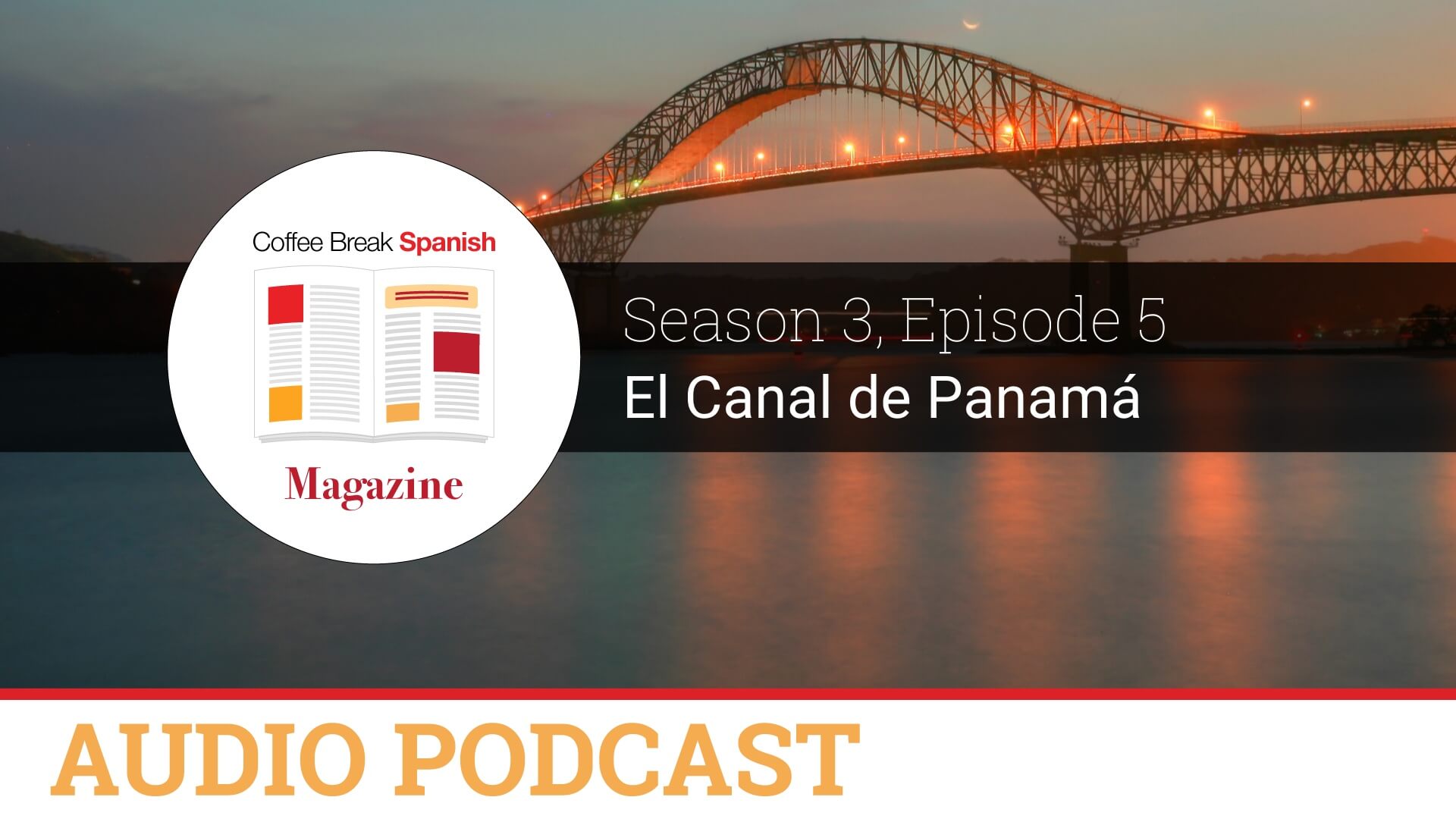
Join Fernanda, Sofía and Mark in the latest episode of the Magazine as they discuss the story behind the impressive Panama Canal. Listener Jean asks a question about pronunciation and Sofía shares some Panamanian colloquialisms.
Quelles langues parles-tu ? / Quelles langues parlez-vous ? – Coffee Break French To Go Episode 8

To ask “which languages do you speak?” in French you can say quelles langues parles-tu ?, or in a more formal situation, quelles langues parlez-vous ? In this episode of Coffee Break French To Go, Pierre-Benoît asks this questions to interviewees in the streets of his hometown, Pornic. You can use the answers of our interviewees to help you learn to answer this question yourself.
In the first part of the video, watch the interviews without subtitles and try to understand. In the second part of the video, we’ve provided subtitles in French at the top of the screen. You can choose to turn on subtitles in English using the Subtitles/CC button.
In this first series of Coffee Break French To Go, Pierre-Benoît is in the town of Pornic, in the west of France, and in each episode she’ll ask passers-by one question. Of course, that one question will result in many answers, and it’s through these answers that you can practise your French and build your vocabulary.
Coffee Break French To Go will be published every two weeks here on YouTube, and each Season will be filmed in a different part of the French-speaking world.
If you’d prefer not to wait for all 10 lessons of Season 1 to be published, you can access downloadable versions of the videos along with audio versions and lesson notes / transcripts in the Coffee Break Academy.
Coffee Break French To Go is based on the popular podcast series and online course Coffee Break French. For access to the free podcasts, please click here.
To purchase our full online courses on the Coffee Break Academy, click here.
Quali lingue parli? – “Which languages do you speak?” – Coffee Break Italian To Go Episode 8
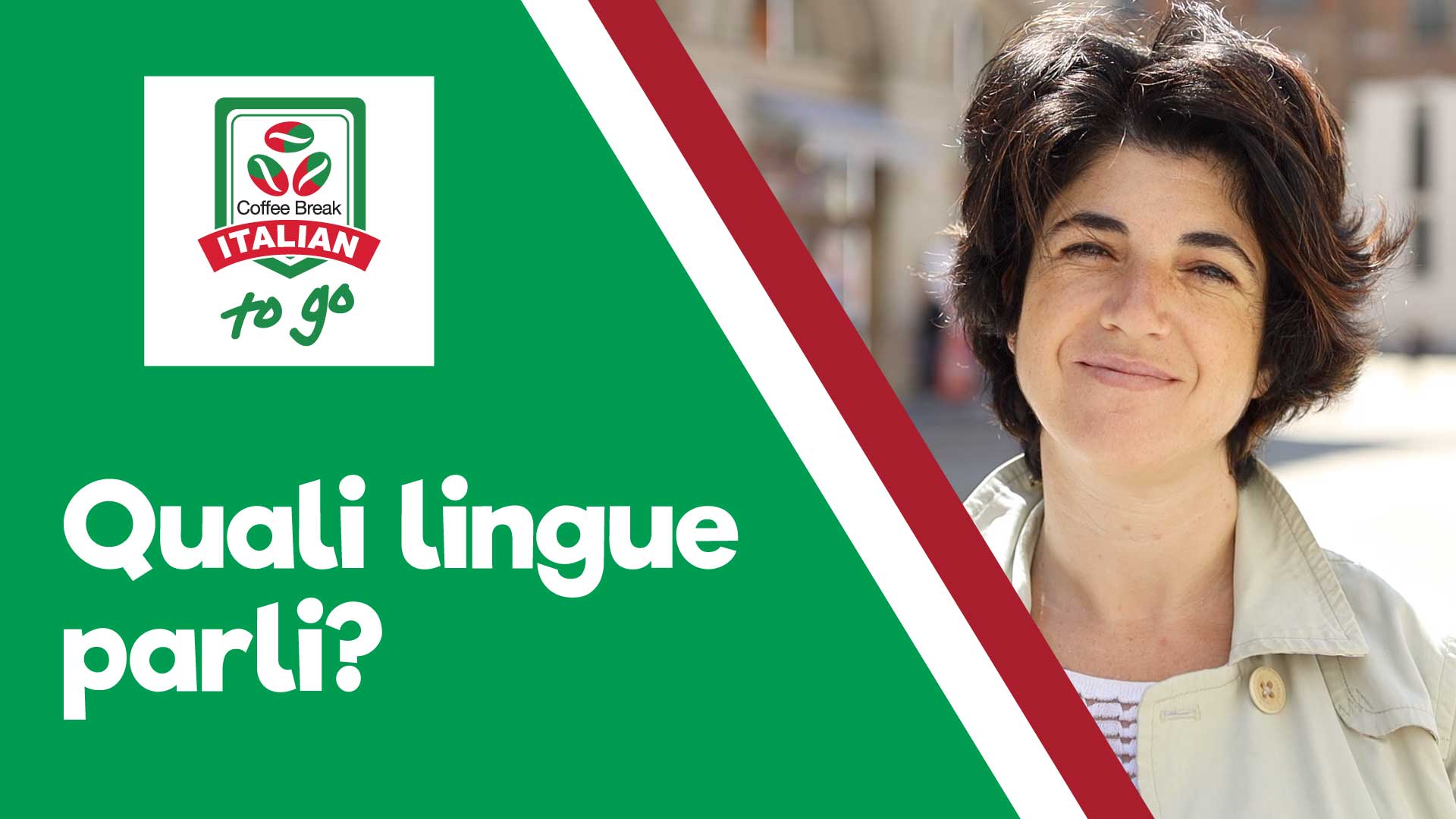
To ask “which languages do you speak?” in Italian you can say quali lingue parli?, or in a more formal situation, quali lingue parla? In this episode of Coffee Break Italian To Go, Francesca asks this question to interviewees in the streets of Milan. You can use the answers of our interviewees to help you learn to answer this question yourself.
In the first part of the video, watch the interviews without subtitles and try to understand. In the second part of the video, we’ve provided subtitles in Italian at the top of the screen. You can choose to turn on subtitles in English using the Subtitles/CC button.
In this first series of Coffee Break Italian To Go, Francesca is in the town of Milan, in the north of Italy, and in each episode she’ll ask passers-by one question. Of course, that one question will result in many answers, and it’s through these answers that you can practise your Italian and build your vocabulary.
Coffee Break Italian To Go will be published every two weeks here on YouTube, and each Season will be filmed in a different part of the Italian-speaking world.
If you’d prefer not to wait for all 10 lessons of Season 1 to be published, you can access downloadable versions of the videos along with audio versions and lesson notes / transcripts in the Coffee Break Academy.
Coffee Break Italian To Go is based on the popular podcast series and online course Coffee Break Italian. For access to the free podcasts, please click here.
To purchase our full online courses on the Coffee Break Academy, click here.
CBG Mag 1.10 | Berlins berühmteste Straße
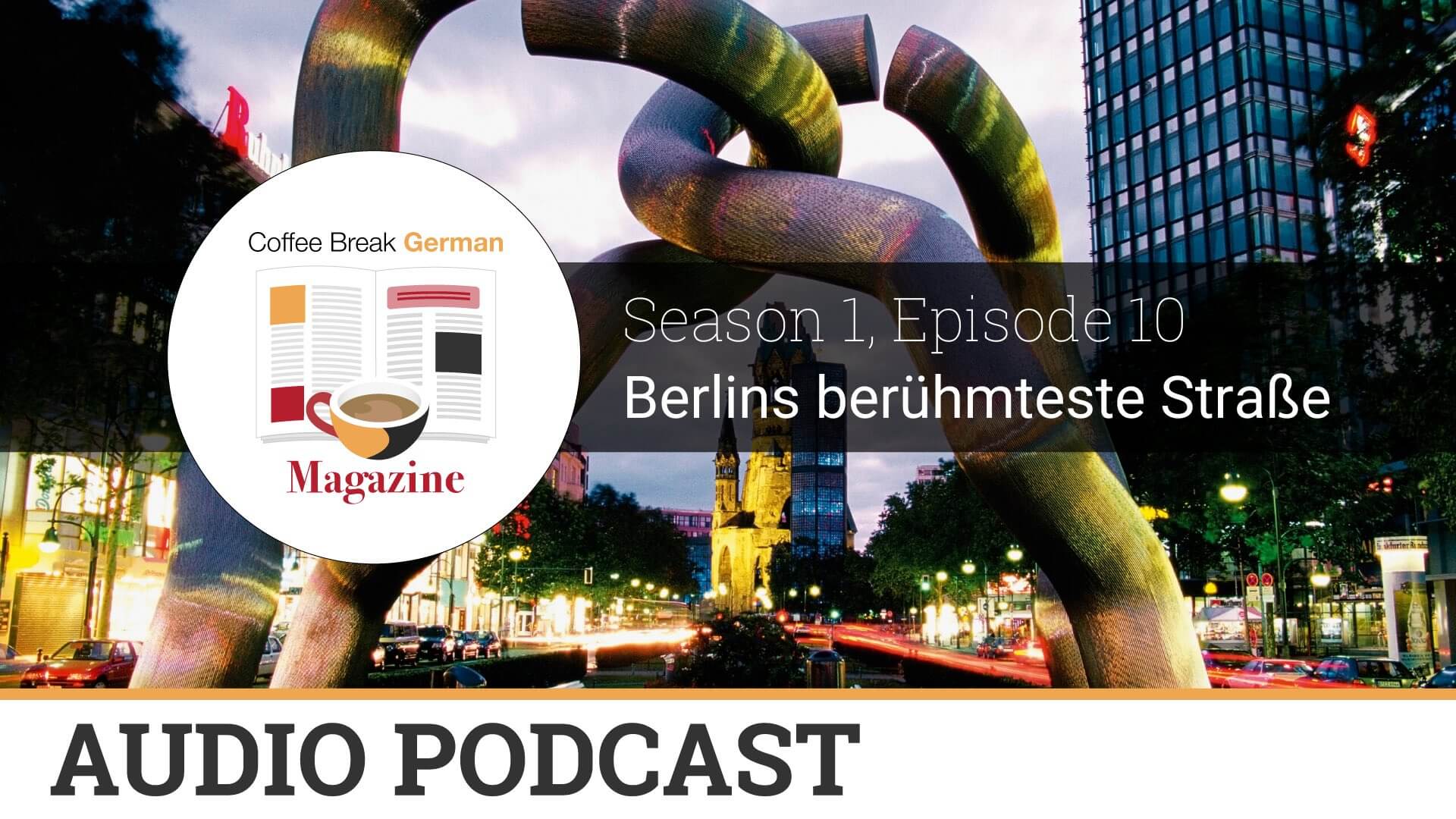
We’ve reached the final episode in this season of the Coffee Break German Magazine. Join Andrea and Mark for one last time as they discuss Berlin’s most famous street. We also hear from listener, Andrew who is looking for some tips on pronunciation. To finish, Olivera shares an impressively long word in German.
Meet Richard, Coffee Break German learner

This week, we’re talking to Finance Manager Richard who lives in the Netherlands, not far from Rotterdam. He’s been  learning German with Coffee Break, and at the time of speaking with him, he was preparing for a trip to Germany over the festive season. Having previously learned some Spanish from Season 1 of Coffee Break Spanish, he decided to sign up for Coffee Break German so that he could communicate with locals during his upcoming trip to Germany as he “always find it very fun to talk in the language which is spoken over there.”
After discovering the Coffee Break podcasts on iTunes, Richard decided to take his learning a step further and signed up for the premium version of the course. The audio lessons allow him to learn during his long commute to work each day. “My commute is between 30 minutes and 1 hour so first I listened to the radio and to music but I wanted to start doing something useful with my time so that’s why I started to take language lessons.”
Richard uses the materials included in the premium version of the course to consolidate what he learns during his commute to work. “At first I viewed a couple of videos but I started out just by listening to the podcast in the car, to the bonus podcast. Then I go and sit down at the table and write down the key words, the new words/vocabulary from the lesson notes and last week I ordered flash cards so I’m going to start writing words on them to learn vocabulary more regularly.” Richard finds the Coffee Break approach particularly useful for learning how to deal with situations tourists experience when travelling e.g. checking into a hotel or asking for directions.
Having received German lessons at school and having spent a lot of time in Germany when he was younger, Richard picked up the language much more quickly than than he did with Spanish. “I’ve found that German is difficult because of the cases and Spanish is a totally different language than Dutch or German. You can guess some meaning of the German words because of the Dutch words but in Spanish it’s totally different and also the pronunciation is more difficult, but it’s a very beautiful language.”
Alongside Coffee Break German, Richard sometimes uses additional language learning resources. “I do sometimes use Duolingo to learn some vocabulary but not on a regular basis. I sometimes sit on my computer and type some words, but my goal objective is to take at least two/three lessons a week from Coffee Break German.” He’s been enjoying the Coffee Break German lessons so much that he’s already planning on taking his learning further: “it’s very fun and very useful, very practical…when I finish this one (Season 1 of German) I’m going to buy Season 2.”
While Richard doesn’t get the chance to speak German as often as he’d like, he enjoys practising his language skills with native speakers. “As I said I’m going during the holidays to Germany and I have an old friend, a German friend and sometimes I text her but not that often so I don’t practise a lot. I’m looking forward to going to Germany to practise my language skills.”
As we bring our chat with Richard to a close, he finishes by sharing one of his favourite words in German: “Ausgezeichnet – that’s a funny word! That means outstanding/great.”
We wish Richard all the best as he continues learning German with Coffee Break.
“Le travail” – Talking about your job in French – Coffee Break French To Go Episode 7

To ask “what do you do for a living?” in French you can say qu-est-ce que tu fais comme travail ?, or in a more formal situation, qu-est-ce que vous faites comme travail ? In this episode of Coffee Break French To Go, Pierre-Benoît asks this questions to interviewees in the streets of his hometown, Pornic. You can use the answers of our interviewees to help you learn to answer this question yourself.
In the first part of the video, watch the interviews without subtitles and try to understand. In the second part of the video, we’ve provided subtitles in French at the top of the screen. You can choose to turn on subtitles in English using the Subtitles/CC button.
In this first series of Coffee Break French To Go, Pierre-Benoît is in the town of Pornic, in the west of France, and in each episode she’ll ask passers-by one question. Of course, that one question will result in many answers, and it’s through these answers that you can practise your French and build your vocabulary.
Coffee Break French To Go will be published every two weeks here on YouTube, and each Season will be filmed in a different part of the French-speaking world.
If you’d prefer not to wait for all 10 lessons of Season 1 to be published, you can access downloadable versions of the videos along with audio versions and lesson notes / transcripts in the Coffee Break Academy.
Coffee Break French To Go is based on the popular podcast series and online course Coffee Break French. For access to the free podcasts, please click here.
To purchase our full online courses on the Coffee Break Academy, click here.
Che lavoro fai? – “What do you do for a living?” – Coffee Break Italian To Go Episode 7

To ask “what do you do for a living?” in Italian you can say che lavoro fai?, or in a more formal situation, che lavoro fa? In this episode of Coffee Break Italian To Go, Francesca asks this questions to interviewees in the streets of Milan. You can use the answers of our interviewees to help you learn to answer this question yourself.
In the first part of the video, watch the interviews without subtitles and try to understand. In the second part of the video, we’ve provided subtitles in Italian at the top of the screen. You can choose to turn on subtitles in English using the Subtitles/CC button.
In this first series of Coffee Break Italian To Go, Francesca is in the town of Milan, in the north of Italy, and in each episode she’ll ask passers-by one question. Of course, that one question will result in many answers, and it’s through these answers that you can practise your Italian and build your vocabulary.
Coffee Break Italian To Go will be published every two weeks here on YouTube, and each Season will be filmed in a different part of the Italian-speaking world.
If you’d prefer not to wait for all 10 lessons of Season 1 to be published, you can access downloadable versions of the videos along with audio versions and lesson notes / transcripts in the Coffee Break Academy.
Coffee Break Italian To Go is based on the popular podcast series and online course Coffee Break Italian. For access to the free podcasts, please click here.
To purchase our full online courses on the Coffee Break Academy, click here.
Meet the team: Ann
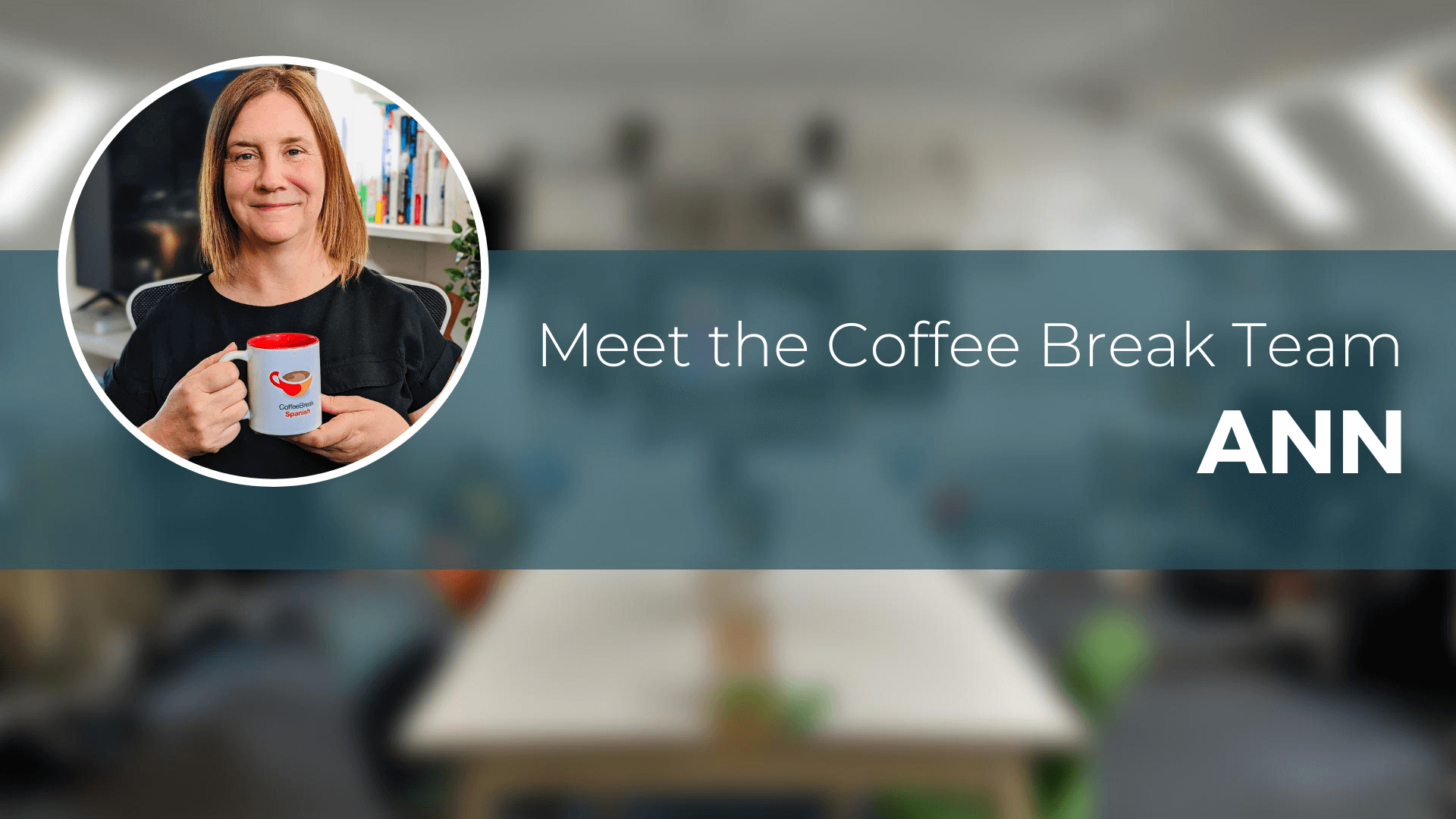
Hola, I’m Ann and I joined the Radio Lingua team in 2018. I speak Spanish, French and some Italian and when I have time, I try to learn a little German.

What is your role in Coffee Break?
I have recently joined Coffee Break as a full time colleague, after working part time with the company since 2018. My role is that of General Manager and I am involved in content creation, content curation and production duties. I also have general management and operations duties which include communications with all staff and customers.
What experience have you had speaking and learning other languages?
As one of the older members of the team, I have had a lot of varied experiences using my languages. I graduated in Marketing with French and Spanish from the University of Strathclyde and have been fortunate to use my languages in many different fields of work and life. I spent several years in Spain to gain fluency in Spanish where I mainly taught English as a foreign language. I then worked for various multinational companies in Marketing and Customer Services on my return to Scotland, where I had many opportunities to travel and use my language skills. Next, I decided I wanted to share my enthusiasm for language learning with others so I completed a post graduate qualification in teaching. For over 20 years I was a language teacher in secondary schools in Scotland, as well as spending some time in two different universities working with students training to be language teachers.
More recently, I have been learning Italian using Coffee Break Italian to further increase my understanding of how Italian works. Although it is very similar to Spanish, there are many differences. Grazie Francesca e Maurizio!
What are your favourite memories of working with Coffee Break?
I have to admit that I enjoy all aspects of working with the Coffee Break team and love being in a multilingual work environment. Additionally, there is a great sense of satisfaction seeing a project through from the idea stage to the publishing stage, and I was delighted to have been involved in writing some of the content for our 50 Spanish Coffee Breaks book.
Where would your ideal coffee break be and with whom?
If Brad Pitt or John Cusack weren’t available (or even if they were) I would be happy to have a coffee with my children on a lovely terraza overlooking a beach anywhere in Spain.
What’s your best language-learning tip?
That you should aim for accuracy but not be too worried if you don’t achieve it first time. Language is simply communication between people, so a big smile and a sense of humour is vital. Keep practising and ask people to correct you if you keep making the same mistake.
Quick-fire round
- Favourite language: Spanish
- Favourite word/phrase in the language: paulatinamente which means step by step or gradually
- Favourite film: in Spanish – The Olive Tree
- Favourite TV Show: Vivir sin permiso is a Spanish Netflix series, set in Galicia
- Favourite singer: Juan Manuel Serrat
- Favourite destination: the beach. Any type of beach, from the wild Scottish ones to the lively Spanish ones.
Any further thoughts?
My advice is to keep trying to improve your language skills, a little at a time, and if possible, try and travel to places where that language is spoken. Even if people respond to you in your native language, being able to communicate at any level with other human beings in a foreign language can only improve your life experiences.
Learning a language is good for your brain, your social skills and your job prospects, so keep on learning and laugh at your mistakes – they are the best lessons!