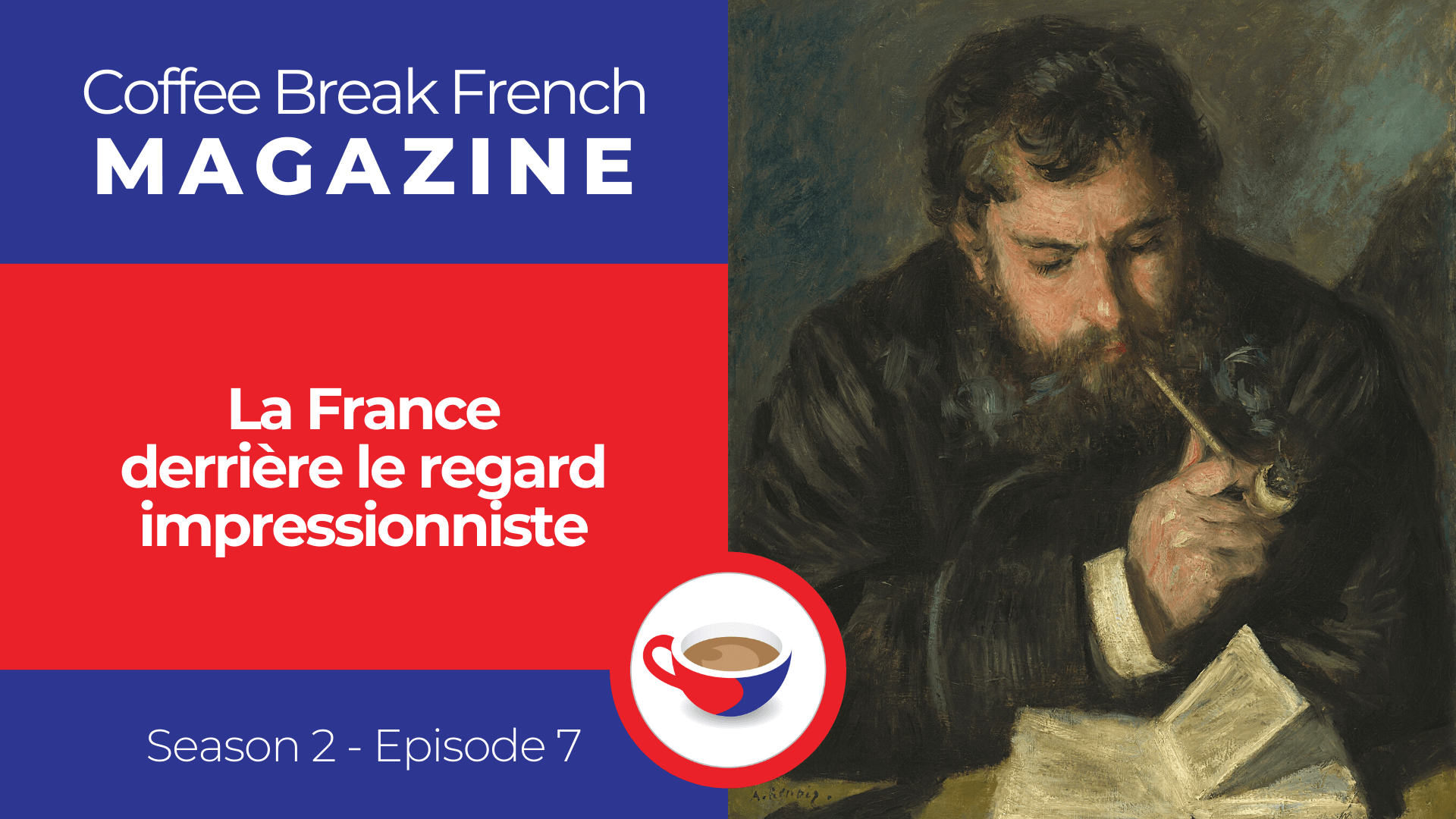
The topic of this episode of the Coffee Break French Magazine is French painter and founder of impressionist painting, Claude Monet. As we hear about his life and work throughout the text, Mark and Pierre-Benoît focus on the language used before Sophie joins Mark to discuss some interesting quotations by Pissarro. We also hear examples of perfect and imperfect tenses; direct and indirect object pronouns; and the pluperfect tense with the auxiliary verbs avoir and être. Some expressions to listen out for include: ne pas avoir bon caractère and initier qqn à qqch.
CBI Mag 2.06 | Pandoro o Panettone? Questo è il dilemma!

Pandoro o Panettone? That is the question Mark and Francesca are discussing in this episode of the Coffee Break Italian Magazine! While listening to a text about these traditional Italian Christmas cakes, take note of any new words or phrases you hear, such as tanto che, dibattito infiammato and brevettare. We also learn about the passive structures with venire instead of essere; nonostante + subjunctive; and the irregular noun uovo. Be sure to listen until the end of the episode to hear this week’s ciliegina sulla torta!
CBG Mag 2.06 | Labskaus
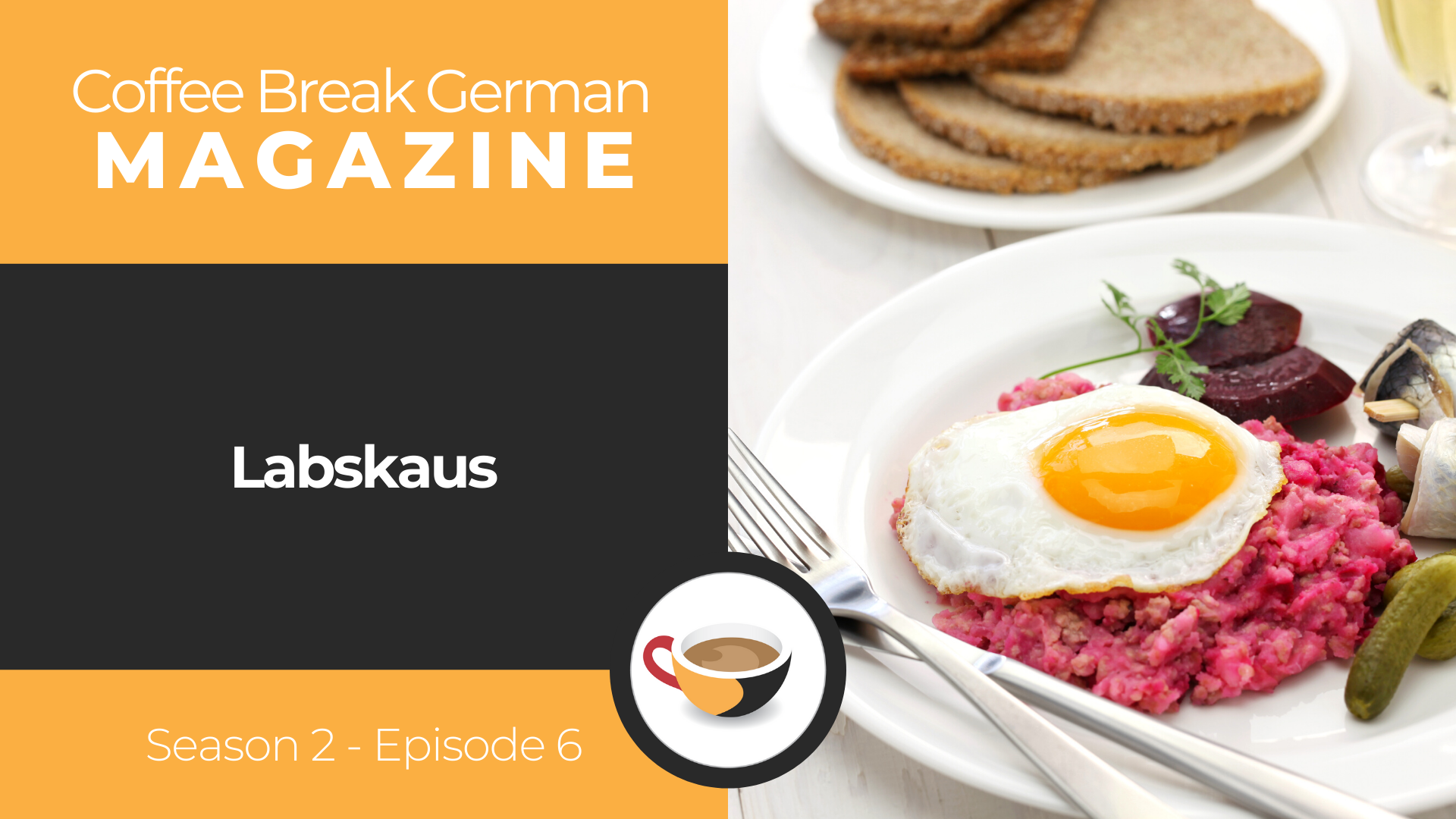
We hope you’re hungry as this episode of the Coffee Break German Magazine is all about a traditional North German dish made of potatoes, beef, pickles and beetroot. This used to be a sailor’s dish but today it’s found all over Northern Europe, and there are lots of different variations. This episode will give you the opportunity to brush up on your food-related vocabulary with words such as Gewürzgurke, gepökelt and Spiegelei. Be sure to listen until the end to hear our tongue twister!
CBG 3.17 | Qualifiers | Ich finde ihn ganz nett

In this episode of Coffee Break German Season 3 we are discussing the new topic of qualifying adverbs: sehr, ziemlich, außerordentlich, völlig. We also listen to a conversation between school students Manuela, Tina and Tobias, who are discussing the latest developments at school and what they think of them. Some vocabulary to look out for is; gemütlich, auffallen, es eilig haben and ausgesprochen.
CBI 3.17 | Molto, troppo, poco, tanto used as adjectives or adverbs | Alberobello e i suoi Trulli

Welcome back to another episode of Coffee Break Italian Season 3! In this episode we cover the topic of molto, troppo, poco, tanto used as adjectives and adverbs. We continue listening to the dialogue of Nicola and the guided tour of Puglia, which has now reached the destination of Alberobello, famous for its Trulli and for being a UNESCO world heritage site. Listen out for some key vocabulary used in the dialogue, including: artigianato, cocente, del posto.
CBS Mag 4.06 | Isabel Allende
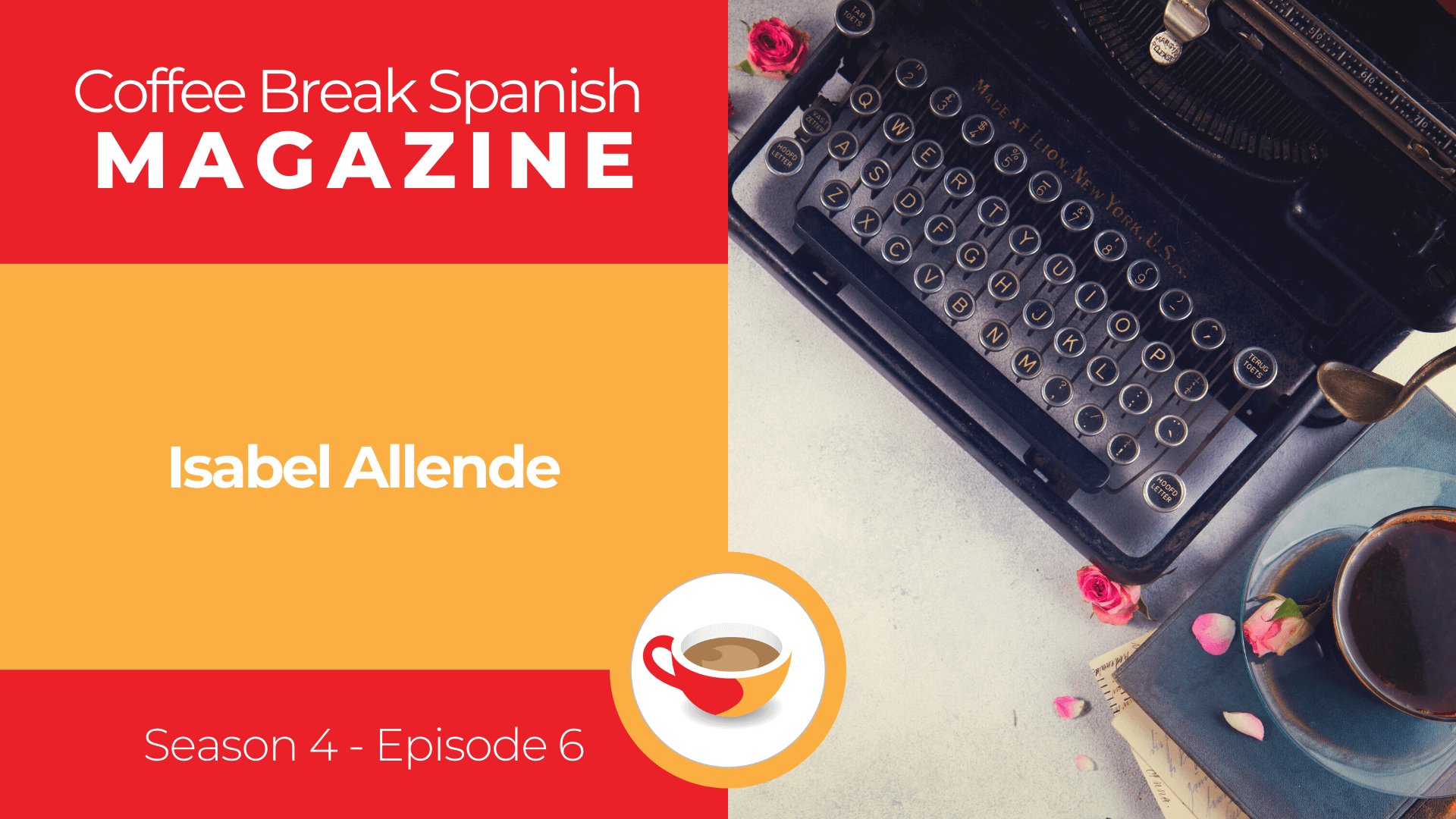
In this episode of the Coffee Break Spanish Magazine, Mark and Anabel discuss a text about the life and work of a very famous novelist who was born in Chile – Isabel Allende. While learning more about Isabel Allende throughout the text, we discuss some interesting language points including regular and irregular participles and the difference between ser and estar. As always, Marina joins Mark at the end of the episode and this time, we learn the meaning behind an interesting Spanish expression.
CBF Mag 2.06 | Mais d’où viennent les frites ?
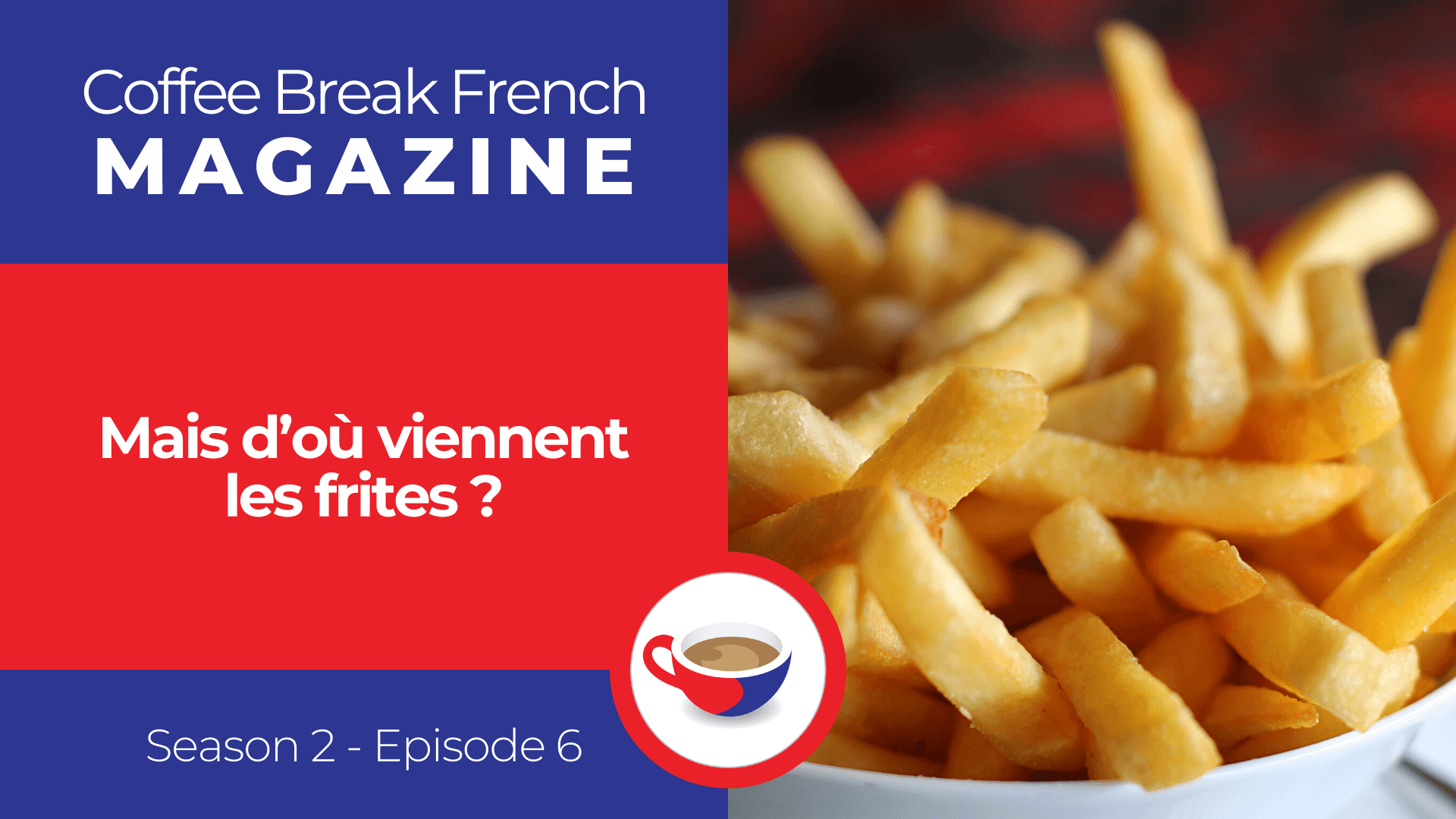
Mais d’où viennent les frites ? That is the question Mark and Pierre-Benoît are addressing in this episode of the Coffee Break French Magazine! We hope you’re hungry as we hear a range of useful food-related words and expressions in this episode, such as manger sur le pouce, avoir la frite and ne pas avoir toutes ses frites dans le même sachet. We also come across examples of direct object pronouns and learn more about the use of the superlative.
CBG Mag 2.05 | Die Habsburger

We’re halfway through the Coffee Break German Magazine Season 3! In Episode 5 we listen to a text about the Habsburg dynasty and its legacy. We hear lots of new vocabulary and grammar points which Mark and Andrea explain along the way. Be sure to listen until the end to learn about a proverb which is the equivalent to c’est la vie in French.
CBI Mag 2.05 | Tempio del Valadier: un tempio scavato nella roccia

In this episode of the Coffee Break Italian Magazine we’re exploring a very special temple built inside a natural cave in the region of Marche. After hearing a text about this impressive piece or architecture, Mark and Francesca explain a variety of language points including: how to express nuances of colours; the present participle, and passive structures. We also encounter a range of new vocabulary relevant to this topic, such as Medioevo, grotta and roccia. To finish, we share an interesting phrase which can be used to express a state of shock.
CBG 3.16 | Temporal prepositions | Sie arbeitet seit zwei Jahren in München

We’re focusing on a brand new topic in this episode of Coffee Break German Season 3: temporal prepositions. Join Mark and Andrea as they discuss temporal prepositions, such as seit, ab, and von… bis, before hearing them in context during a dialogue in which Herr Kühne has a job interview with Frau Dr. Hofmann. Vocabulary to listen out for in this episode includes: Lebenslauf, Probezeit and absagen.
CBI 3.16 | Indefinite adjectives and pronouns | Scopriamo la Puglia con Nicola

Welcome back to another episode of Coffee Break Italian Season 3! The topic of this episode is indefinite adjectives and pronouns – words used to express indefinite quantities without any specific reference to quantities, people, things, or places. Throughout the lesson, Mark and Francesca focus on the most widely used indefinite adjectives and pronouns in Italian. We then hear a dialogue in which Nicola, a local tour guide, is meeting tourists who have signed up for his guided tour in Puglia. Listen out for useful words and phrases including: rompere il ghiaccio, diversi/e and qualsiasi before we round off the episode with an interesting phrase used to refer to a tour guide in Italian.
CBS Mag 4.05 | Torres humanas
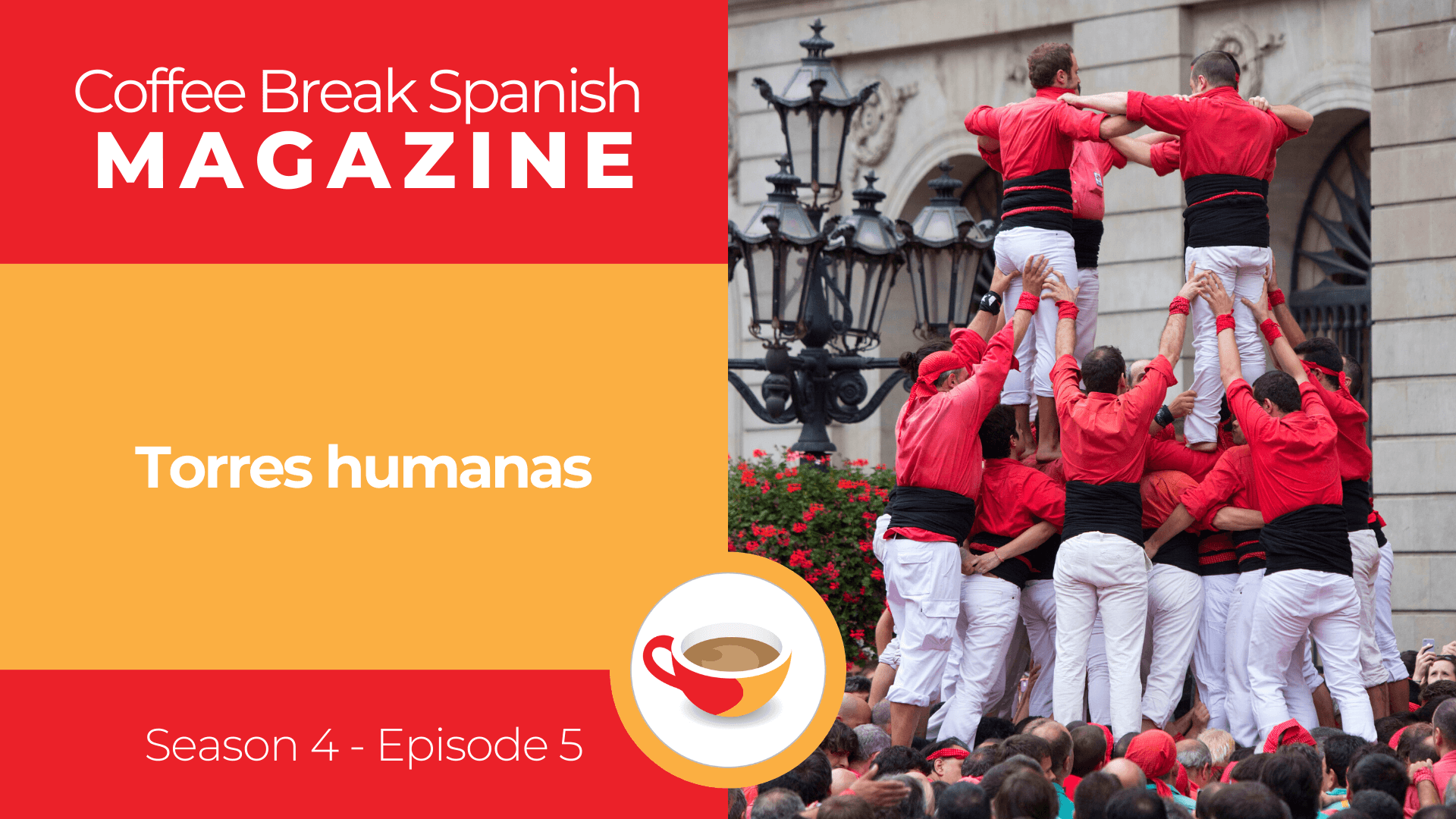
Welcome back to the Coffee Break Spanish Magazine! In this episode, Mark and Anabel go through a text about human towers or castells in Catalan. We break down the range of words and phrases in the text, including: tanto… que…, tras and cualquier. Take note of the Catalan words featured this episode and be sure to listen until the end as Marina joins Mark to discuss the phrase: hacer piña.
CBF Mag 2.05 | L’ancêtre du cinéma français

In this episode of the Coffee Break French Magazine we’re heading to the cinema! After hearing a text about French cinema, Mark and Pierre-Benoît break down the language, focusing on some useful vocabulary for talking about films, such as: réalisateur, le septième art and trucages. Listen out for examples of the subjunctive, the gerund and the imperfect tense, as well as the following expressions: que ce soit and être la première à avoir fait qqch.
CBG Mag 2.04 | Hansestädte
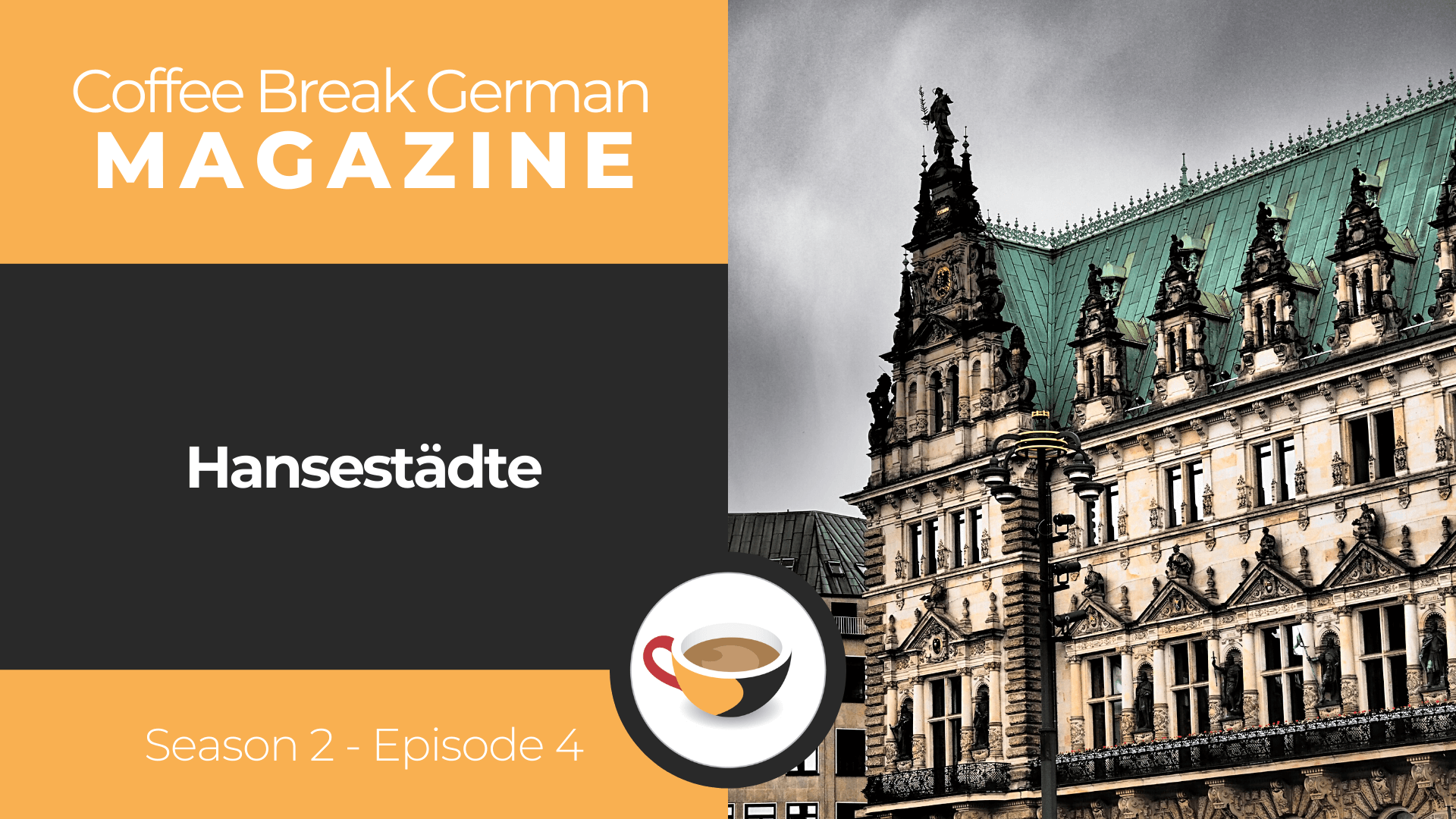
Welcome to another episode of the Coffee Break German Magazine! This time, our hosts, Mark and Andrea, focus on a text about the Hanse (a trade/military network of cities between the 12th and 17th century) and the Hanseatic cities of Germany. We discuss the cities which were part of the Hanseatic league and how this is celebrated once a year with regional food, medieval costumes, historical guided city tours and more. As always, we pick up on the key grammar and vocabulary points from our text along the way. Words such as unvergleichlich, bekannt sein and Mittelalter are just some of the useful pieces of vocabulary to listen out for in this episode.
CBI Mag 2.04 | Samantha Cristoforetti: un’italiana alla Stazione Spaziale Internazionale

Explore the life and work of Samantha Cristoforetti, Italy’s first female astronaut, and learn grammar points.
We’re back with another episode of the Coffee Break Italian Magazine! This time, our text is all about the first female Italian astronaut, Samantha Cristoforetti! Join Mark and Francesca as they learn about her impressive life and work while discussing some interesting grammar points including: dopo + passive past infinitive; how the word ben is used before numbers; and the verb crescere in the past using both auxiliaries. Be sure to listen until the end so that you hear our Ciliegina sulla torta; an idiomatic expression which has something to do with Samantha Cristoforetti’s job.
CBG 3.15 | Relative pronouns in the genitive | Das Mädchen, dessen Haare bis zum Boden reichen

Welcome back to Coffee Break German Season 3! In this episode, we are reviewing relative clauses before looking at relative clauses in the genitive. We then see this grammar point in context during a conversation between Helene and Florian who are looking at old school photographs. Listen out for some school-related vocabulary such as: Schulzeit, Strafarbeit and Nachhilfe.
CBI 3.15 | Conditional perfect | Notizie dal telegiornale

Welcome back to Coffee Break Italian Season 3! In this episode we continue our journey through the conditional. Following on from the previous episode where we introduced this new mood and explained its functions; we are now focusing on the conditional perfect. We hear this grammar point in context during a conversation between husband and wife watching the news at dinner time. Take note of some useful vocabulary including: negozietto, telegiornale and vigili del fuoco. We also share a new idiomatic expression which combines the two topics featured in our dialogue: food and fire.
CBS Mag 4.04 | La selva amazónica
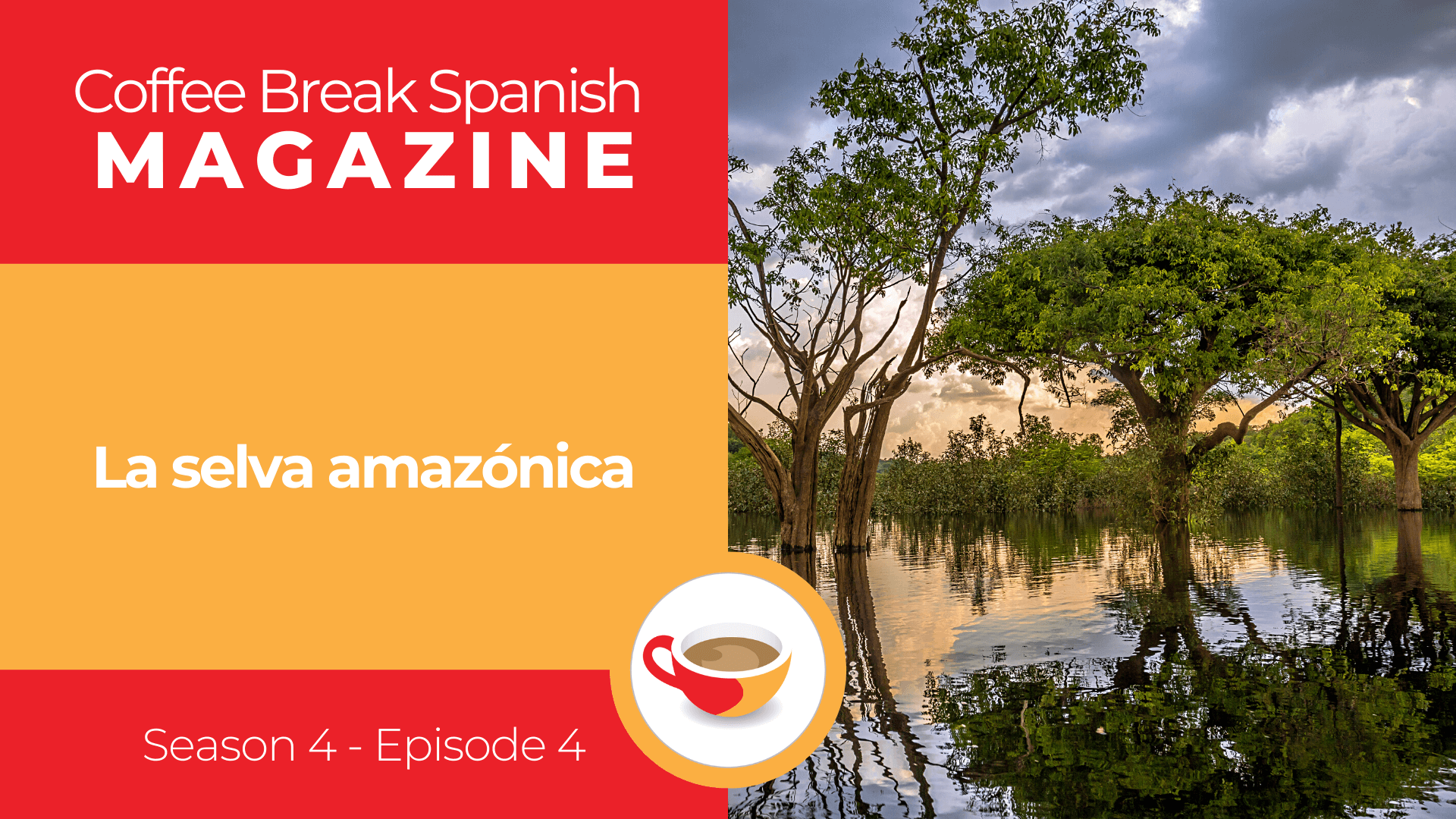
We’re taking a virtual trip to Latin America as we’re visiting the Amazon jungle in this episode of the Coffee Break Spanish Magazine! Join Mark and Anabel and learn some interesting facts about this amazing place while listening out for the use of the negative imperative; adjectives like indígena and frondoso; and verbs such as convertirse and suponer. As always, Marina joins Mark at the end of the episode and this time, they’re discussing the phrase: si el río suena, agua lleva.
CBF Mag 2.04 | Vingt-quatre heures dans la province du Québec
This week, we’re taking a virtual trip to the French-speaking area of Canada: Québec! Throughout the lesson we share some of the top attractions in this beautiful province of Canada. Along the way, we hear examples of direct object pronouns, the pronoun y and examples of the future tense of the verbs avoir and être. Listen out for some useful expressions such as: profiter de qqch, s’aventurer quelque part, and avoir l’impression.
CBG Mag 2.03 | Die Deutsche Bundesliga
We’re back with another episode of the Coffee Break German Magazine! We’re talking football this week, specifically the highest professional German football league. As we learn how the league works, we focus on some interesting language points including adjective declination and superlatives before rounding off the episode with the following proverb: Da liegt der Hund begraben.