
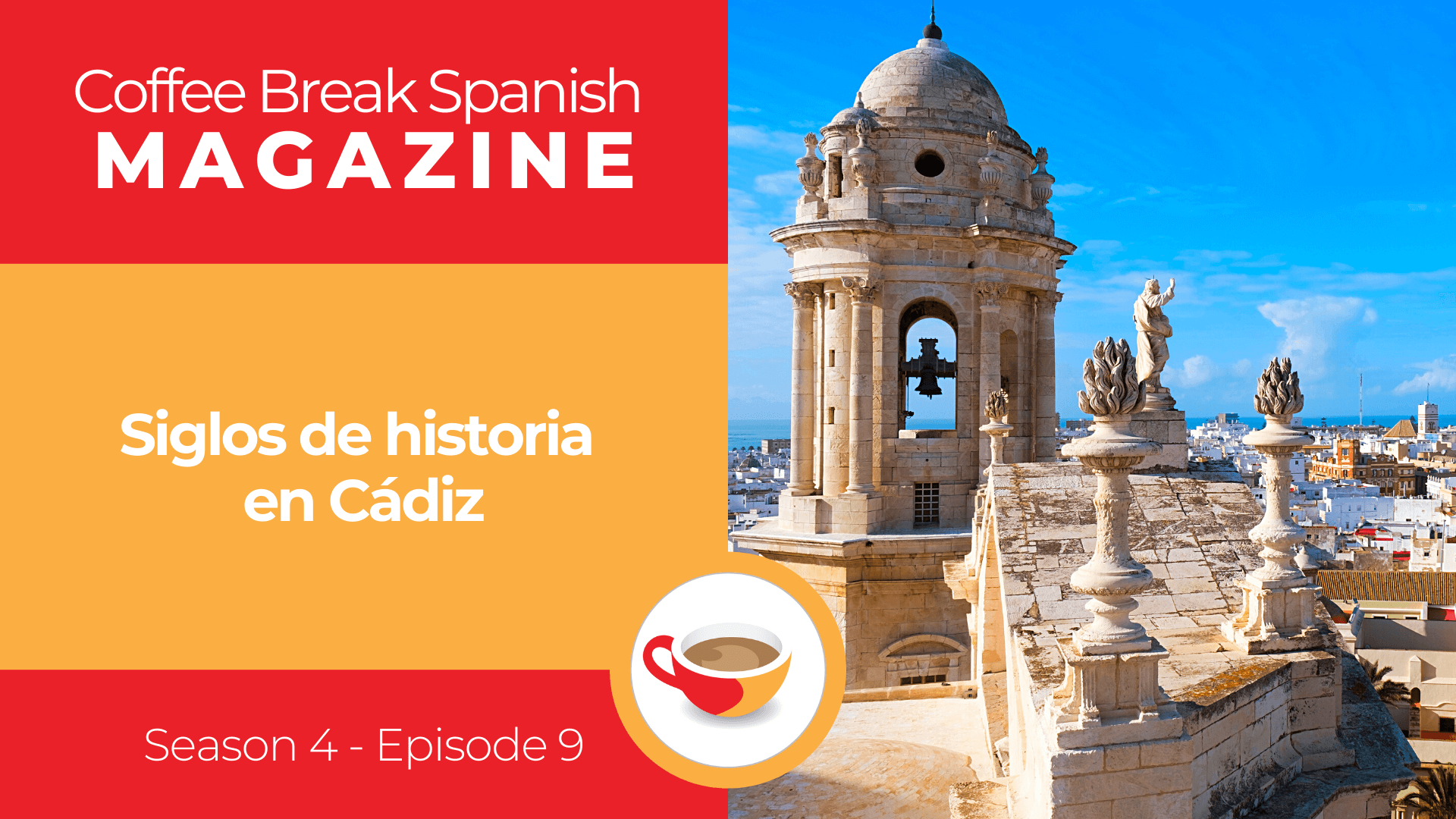
In the penultimate episode in this series of the Coffee Break Spanish Magazine, we’re taking a virtual trip to one of the oldest cities in Europe – Cádiz. Marina shares an interesting text about the history of this city in the south of Spain before Mark and Anabel discuss some useful language points. Some of the key grammar points discussed include: the difference between qué and cuál, the imperfect tense, and the gerund. Don’t miss the end of the episode when Marina joins Mark to share a new expression: ser del año de la pera.
 Coffee Break Languages
CBF Mag 2.09 | La dernière reine de l’Ancien Régime
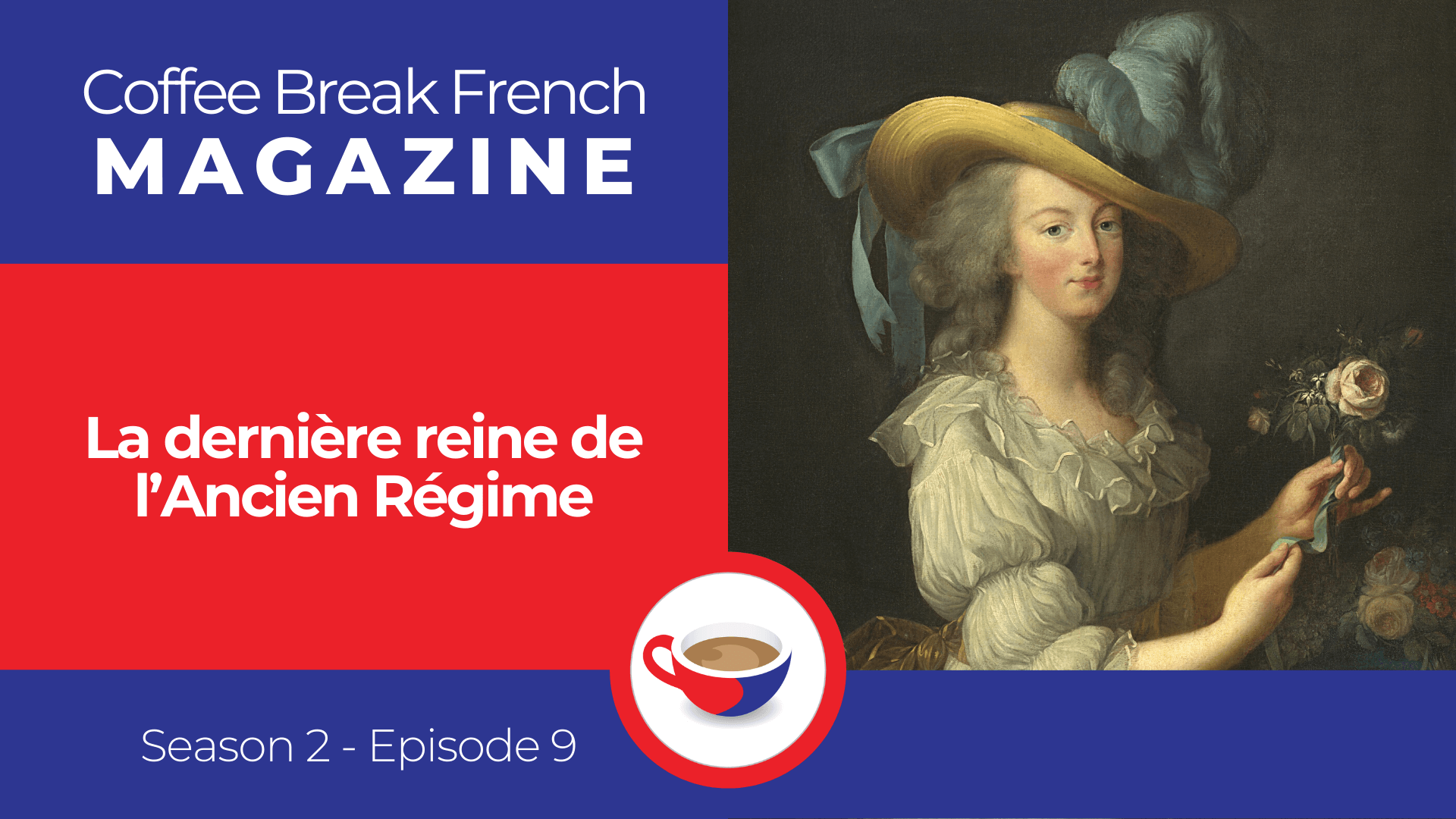
In this episode of the Coffee Break French Magazine we hear a text about Marie-Antoinette, the last Queen of France before the French Revolution. Join Mark and Pierre-Benoît as they discuss the language featured in the text and listen out for the following expressions: se rappeler qqch, tenter de faire qqch and faire des reproches à qqn. We also hear examples of indirect object pronouns and preceding direct objects and learn about the use of the imperfect tense and the conditional perfect. Sophie joins Mark at the end of the episode to discuss a short text about the French Republican calendar.
CBI Mag 2.08 | I Monti Azzurri – I Sibillini

In this episode of the Coffee Break Italian Magazine, we’re talking about the Sibillini Mountains – a mountain chain in central Italy which includes a beautiful natural park. Join Mark and Francesca as they discuss a text highlighting what these impressive mountains have to offer while talking about some key vocabulary and grammar points including: si dice che + present or imperfect subjunctive, and the present subjunctive in the passive form. We finish the episode with our ciliegina sulla torta about a common Italian saying which has something to do with mountains.
CBG Mag 2.08 | Heißluftballonrennen im Januar
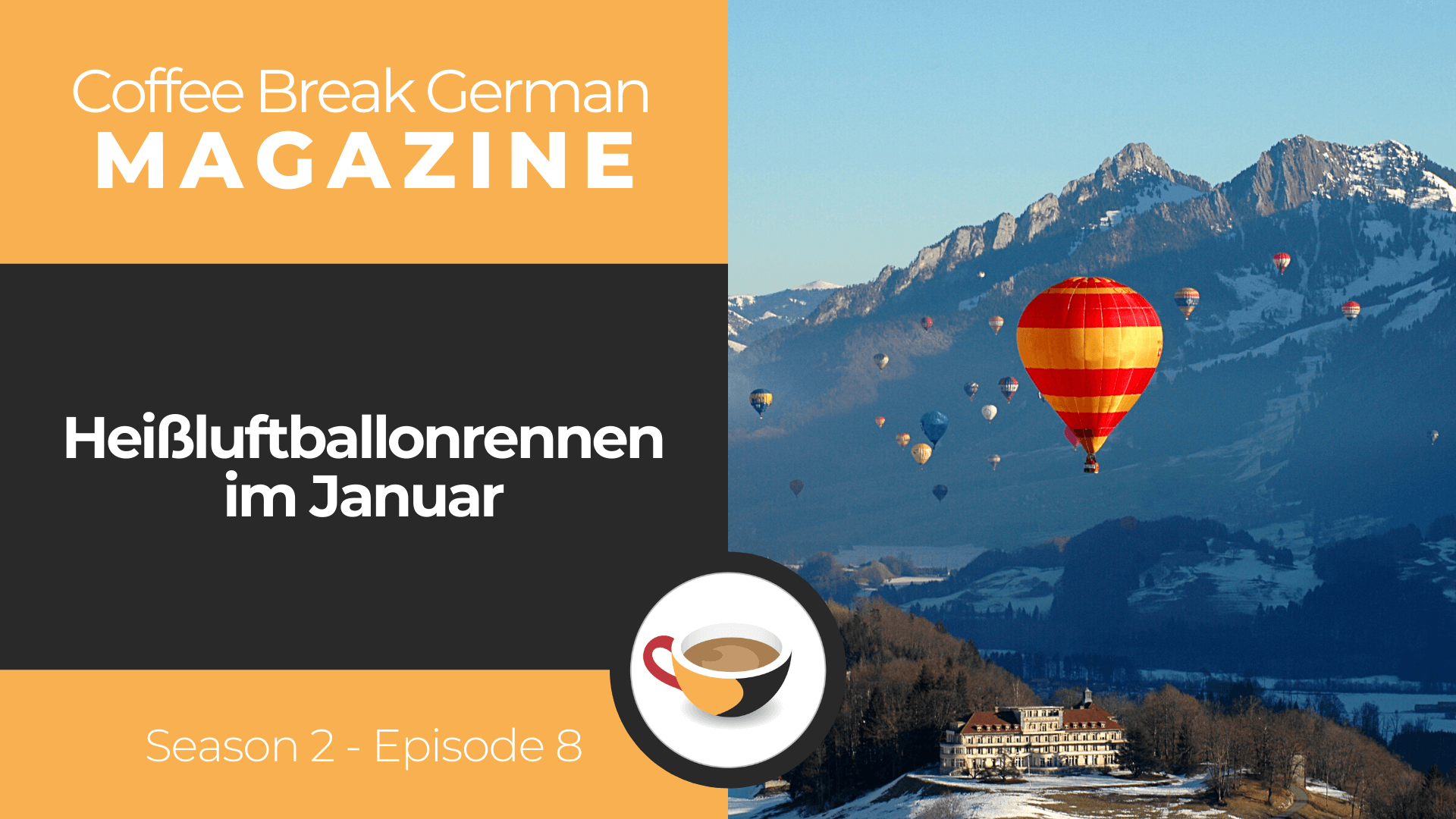
The topic of this Coffee Break German Magazine episode is hot air balloons – specifically the annual hot air balloon competitions which take place in the Alps during the month of January. As we learn about these fascinating competitions, we encounter some interesting vocabulary including the words: bunt, egal ob… oder… and lenken. Mark and Andrea also discuss the following grammar points: bei + noun, and the infinitive with zu and ob. Of course, we end the episode with a brand-new tongue twister!
CBI 3.19 | Pluperfect indicative | La mamma è sempre la mamma

The latest episode of Coffee Break Italian we’re introducing a new past tense – the trapassato prossimo, also referred to as the “pluperfect”. Listen out for some handy phrases including: essere a pezzi, a proposito and ci sto! Don’t miss our ancora una cosina at the end of the episode.
CBG 3.19 | Causative Adverbs | Also los nach dem Pieps

Welcome to another episode of Coffee Break German! In Lesson 19 Mark and Andrea discuss adverbs which connect clauses: daher, deswegen, deshalb, darum, also, folglich, demzufolge and somit. We then listen to three separate voicemails in which we hear causative adverbs in context. Listen out for these useful words and phrases: etwas hinterlassen, die Rückrufnummer, unterwegs sein.
CBS Mag 4.08 | Fiesta de la Vendimia en Argentina
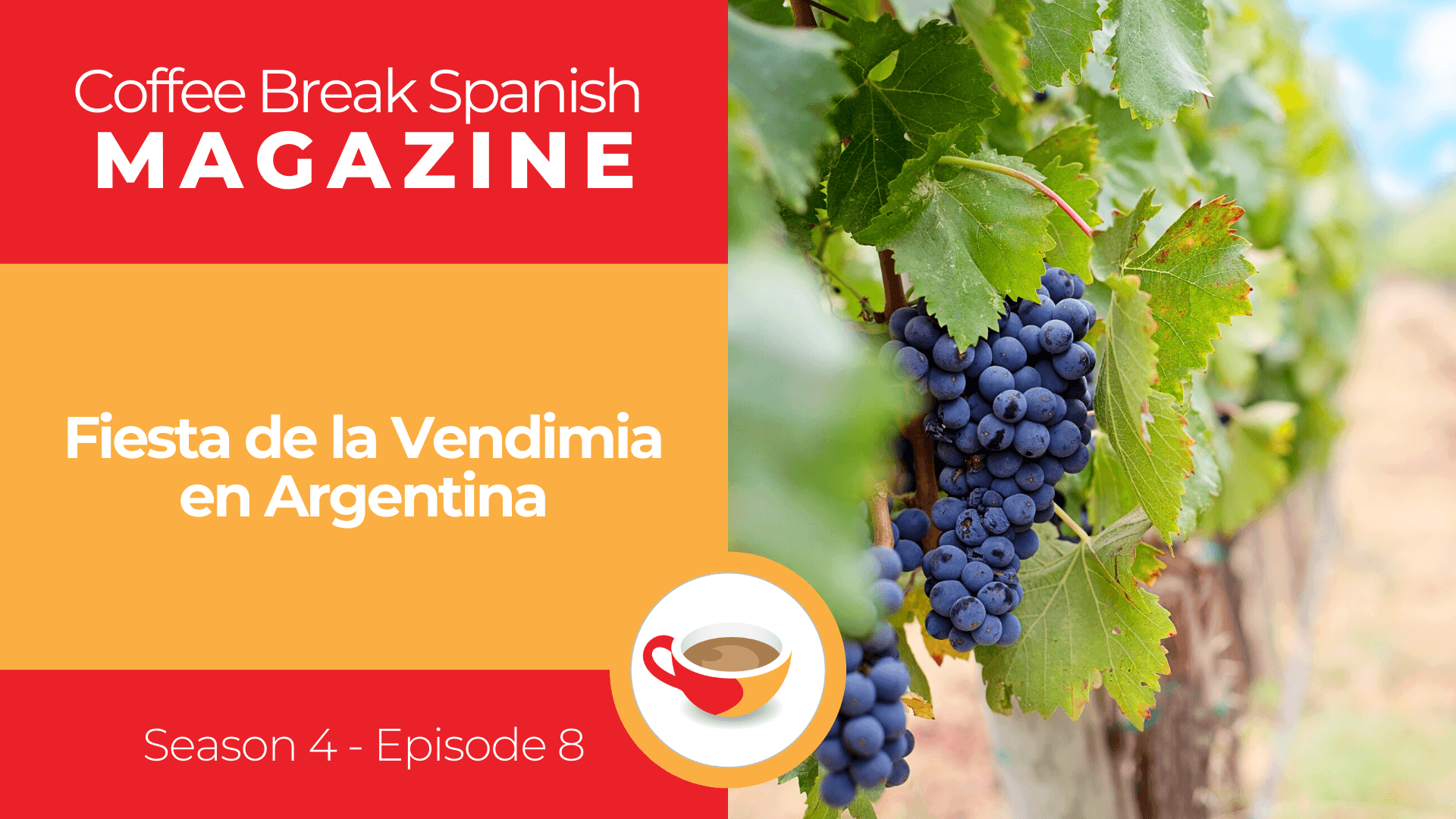
In this episode of the Coffee Break Spanish Magazine we’re talking about grape harvesting in Argentina! We learn how to create adverbs ending in -mente, and familiarise ourselves with the structure: continuar + gerund. We also hear a variety of verbs including alabar and constar de before Mark and Marina discuss la Guinda del pastel.
CBF Mag 2.08 | Entre les montres de luxe et le lac Léman
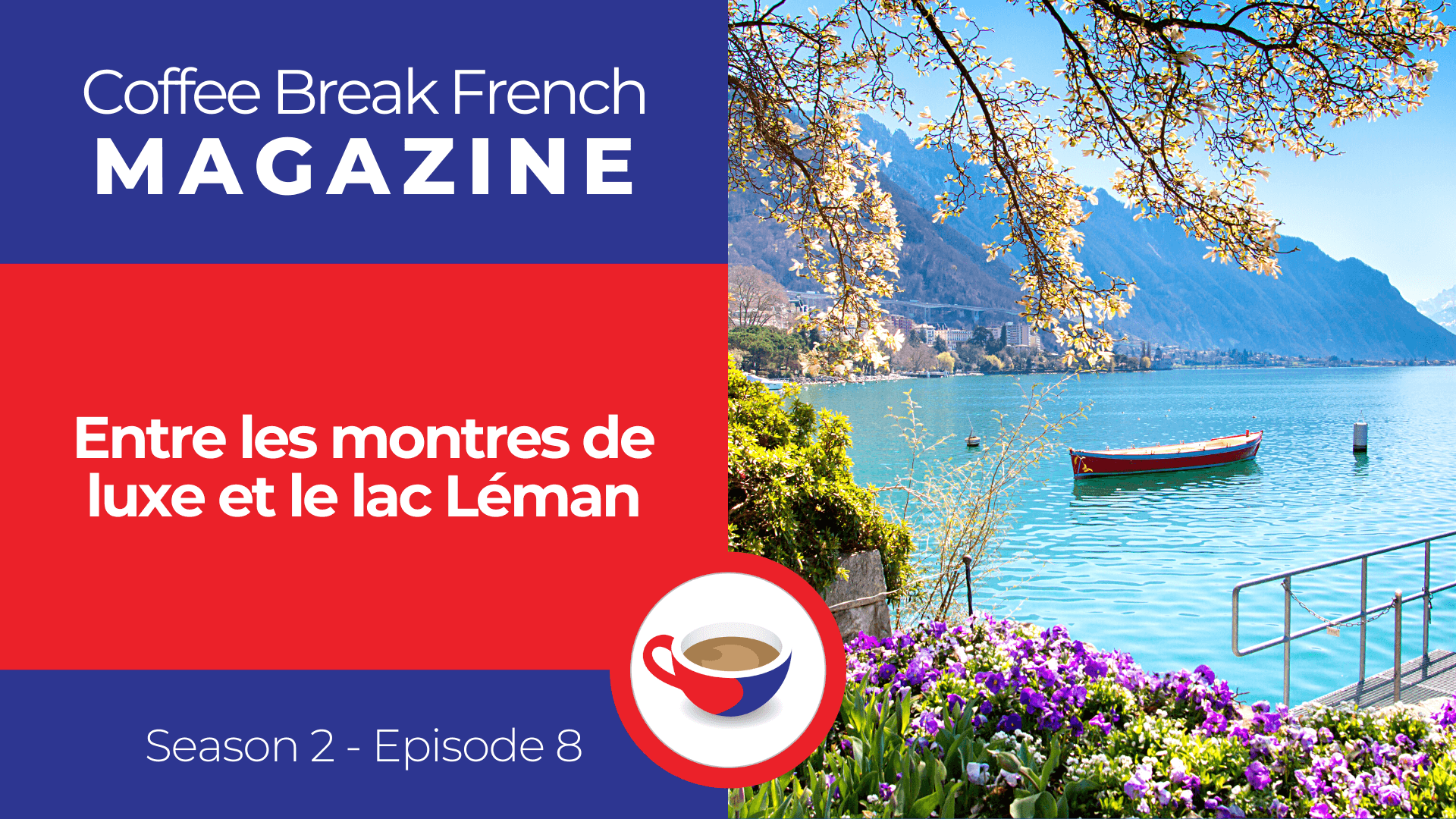
In this episode of the Coffee Break French Magazine, we’re transporting you to the city of Geneva. While hearing about what this wonderful Swiss city has to offer, we cover some interesting grammar points such as the agreement of tel(le) que and the use of être assis(e) à + infinitive. Sophie joins Mark at the end of the episode to discuss some time-related expressions including depuis la nuit des temps and en un rien de temps.
CBI Mag 2.07 | Dante: il padre della lingua italiana

The topic of this Coffee Break Italian Magazine episode is the life and work of Italy’s greatest poet and ‘father’ of the Italian language: Dante Alighieri. We review various grammar points in this episode, including: the historical present, relative superlative adjectives, the passive with venire and si passivante. Be sure to listen until the end of the episode to hear our ciliegina sulla torta.
CBG Mag 2.07 | Großglockner Hochalpenstraße – ein österreichischer Roadtrip
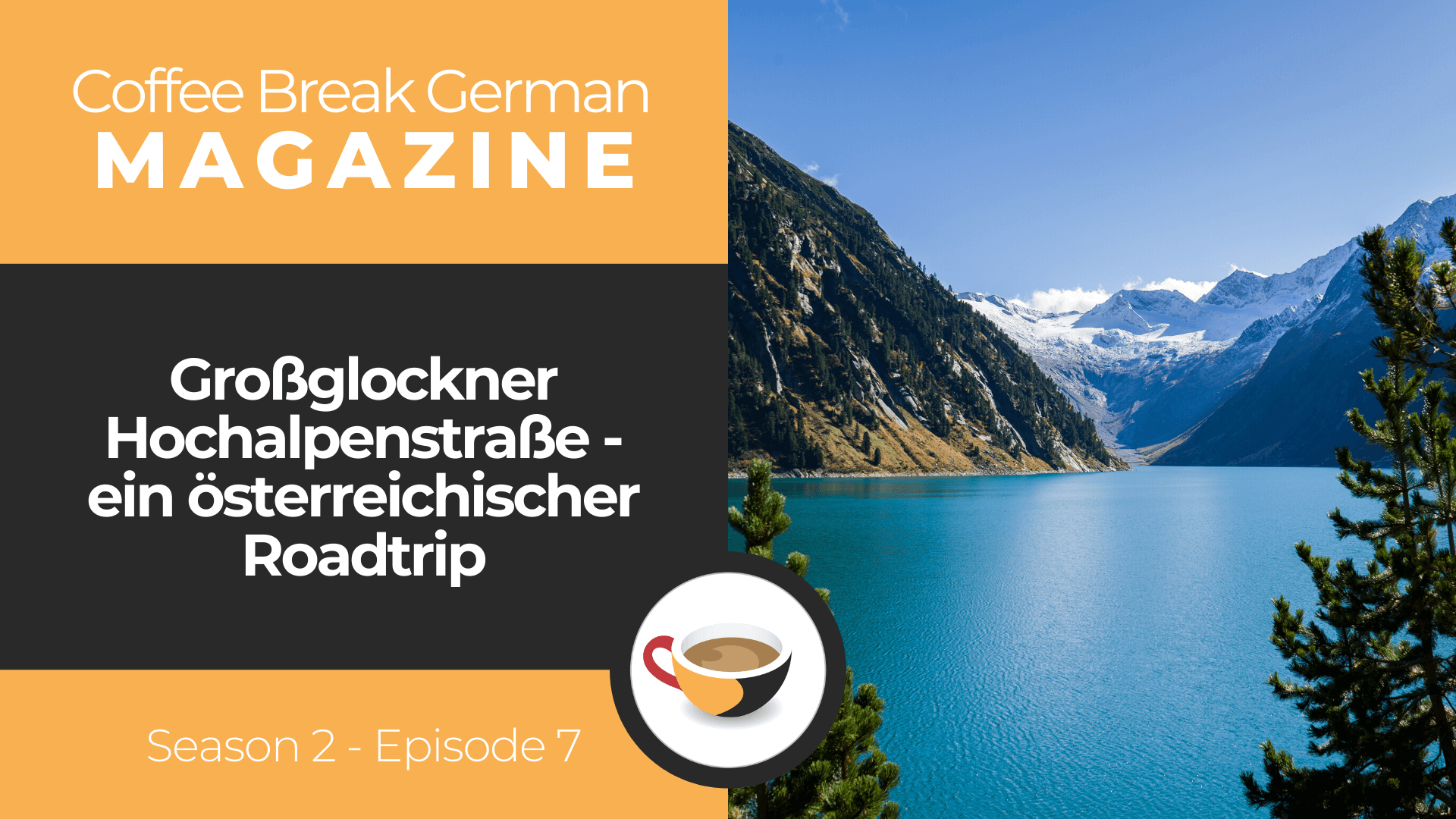
In the latest instalment of the Coffee Break German Magazine, we’re heading on a road trip in the Austrian Alps! Throughout the text featured in this episode, we explore the Großglockner Hochalpenstraße – a scenic mountain road and one of Austria’s main attractions – while taking note of the interesting language points, including: adjectives, the infinitive with zu and sowohl als auch. Listen until the end of the episode to master our tricky tongue twister which will impress your German-speaking friends!
CBI 3.18 | Irregular plurals | Vacanze in Turchia

In this episode of Coffee Break Italian we’re covering the topic of irregular plurals both in terms of nouns and adjectives. In the dialogue featured in this lesson, Elisa meets her friend and tells her about her recent summer holiday in Turkey. She mentions the topics of food, methods of transport and a cycling injury. Listen out for the following words and phrases: filare liscio, ginocchia and guadagnare. To round off the episode we hear a very interesting way to describe the city of Padova in Italy.
CBG 3.18 | Reflexive verbs with the Dative | Das werde ich mir merken

Welcome to another lesson of Coffee Break German! This time, we are introducing reflexive verbs with reflexive pronouns in the dative. We hear these learning points in context during a discussion between characters Tim and Anna. Some words and phrases to listen out for include: sich die Nacht um die Ohren schlagen, sich etwas aus … machen and sich Zeit lassen.
CBS Mag 4.07 | Deporte y diversión en Asturias
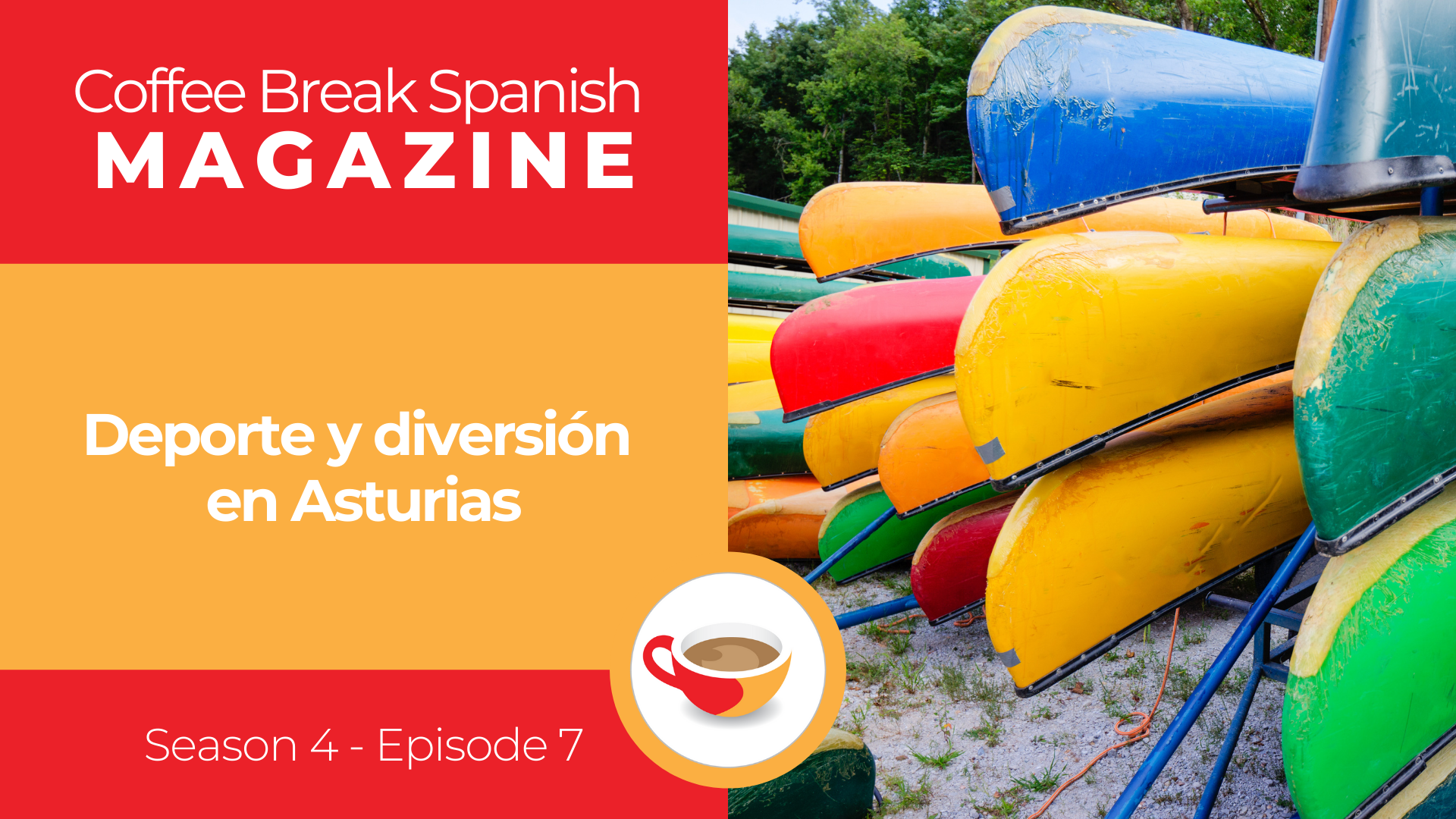
Welcome to another episode of the Coffee Break Spanish Magazine! This time, we discuss a text about a canoeing festival which takes place in Asturias every year. While hearing about the festival throughout the text, Mark and Anabel, discuss the grammar points which appear and explain the key vocabulary. We learn about the difference between saber and conocer; the verb interesar, and the meaning of – azo, in words like planazo, bombazo and cochazo. Marina joins Mark at the very end of the episode to discuss this week’s guinda del pastel.
CBF Mag 2.07 | La France derrière le regard impressionniste
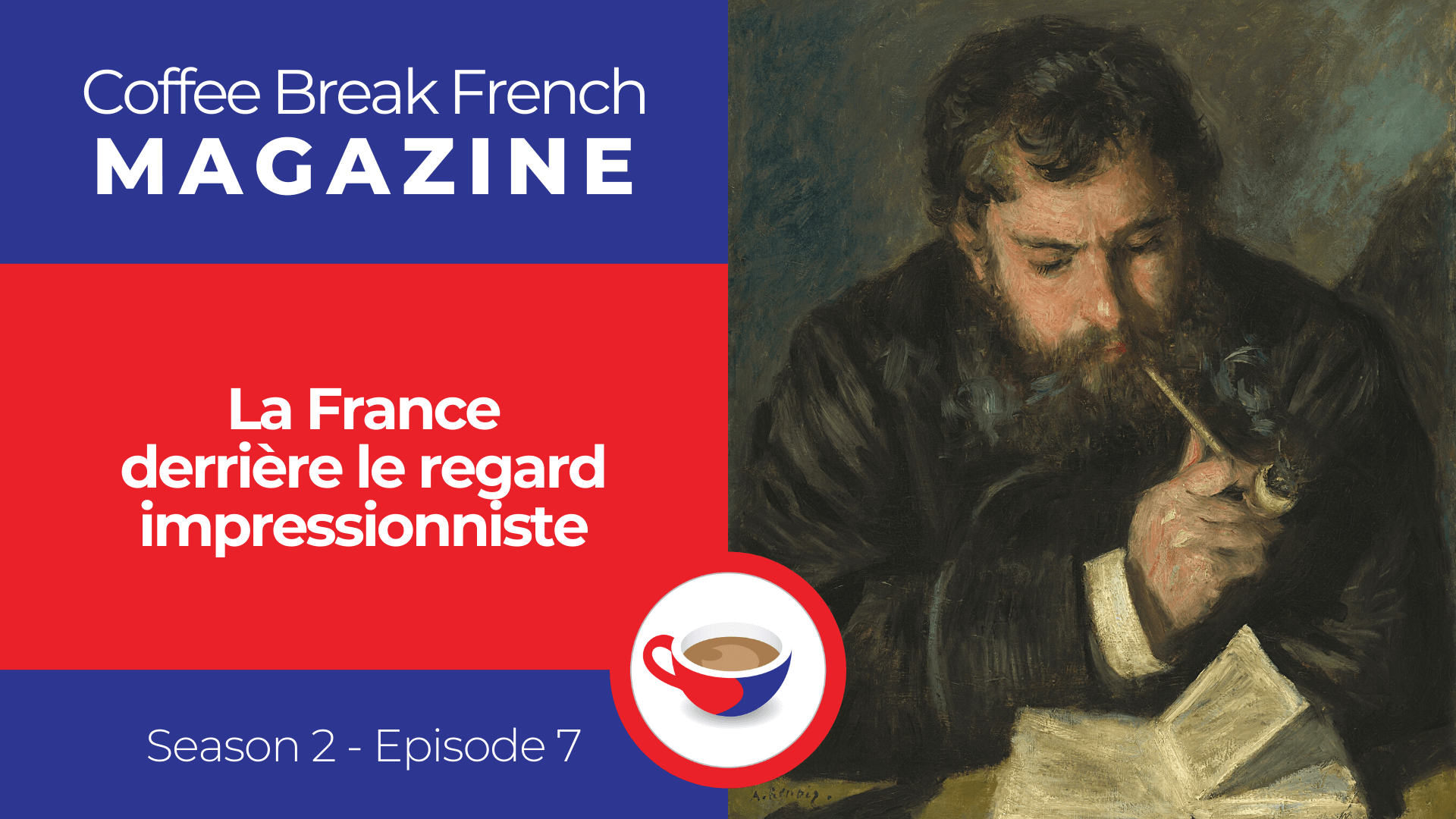
The topic of this episode of the Coffee Break French Magazine is French painter and founder of impressionist painting, Claude Monet. As we hear about his life and work throughout the text, Mark and Pierre-Benoît focus on the language used before Sophie joins Mark to discuss some interesting quotations by Pissarro. We also hear examples of perfect and imperfect tenses; direct and indirect object pronouns; and the pluperfect tense with the auxiliary verbs avoir and être. Some expressions to listen out for include: ne pas avoir bon caractère and initier qqn à qqch.
CBI Mag 2.06 | Pandoro o Panettone? Questo è il dilemma!
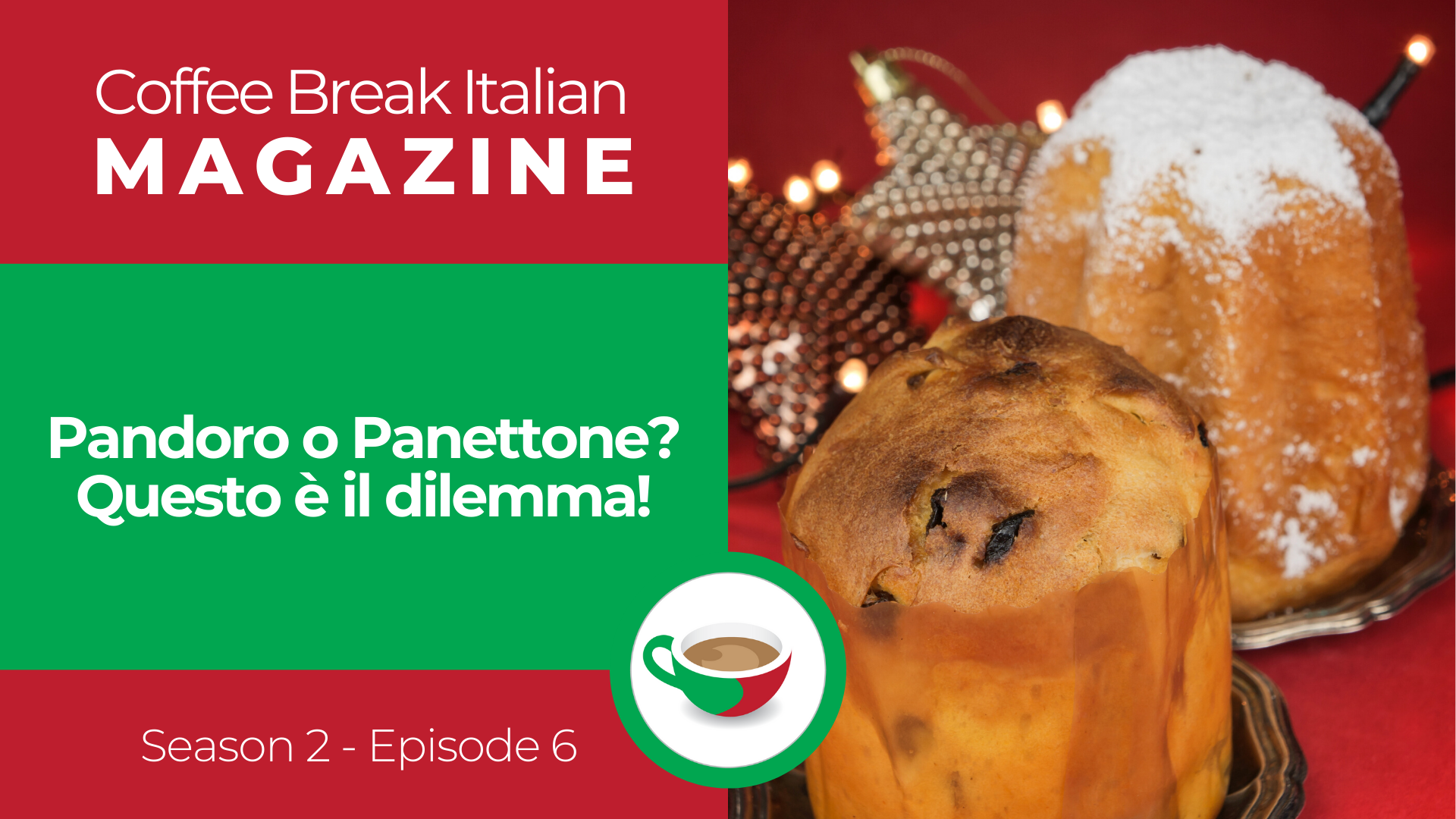
Pandoro o Panettone? That is the question Mark and Francesca are discussing in this episode of the Coffee Break Italian Magazine! While listening to a text about these traditional Italian Christmas cakes, take note of any new words or phrases you hear, such as tanto che, dibattito infiammato and brevettare. We also learn about the passive structures with venire instead of essere; nonostante + subjunctive; and the irregular noun uovo. Be sure to listen until the end of the episode to hear this week’s ciliegina sulla torta!
CBG Mag 2.06 | Labskaus
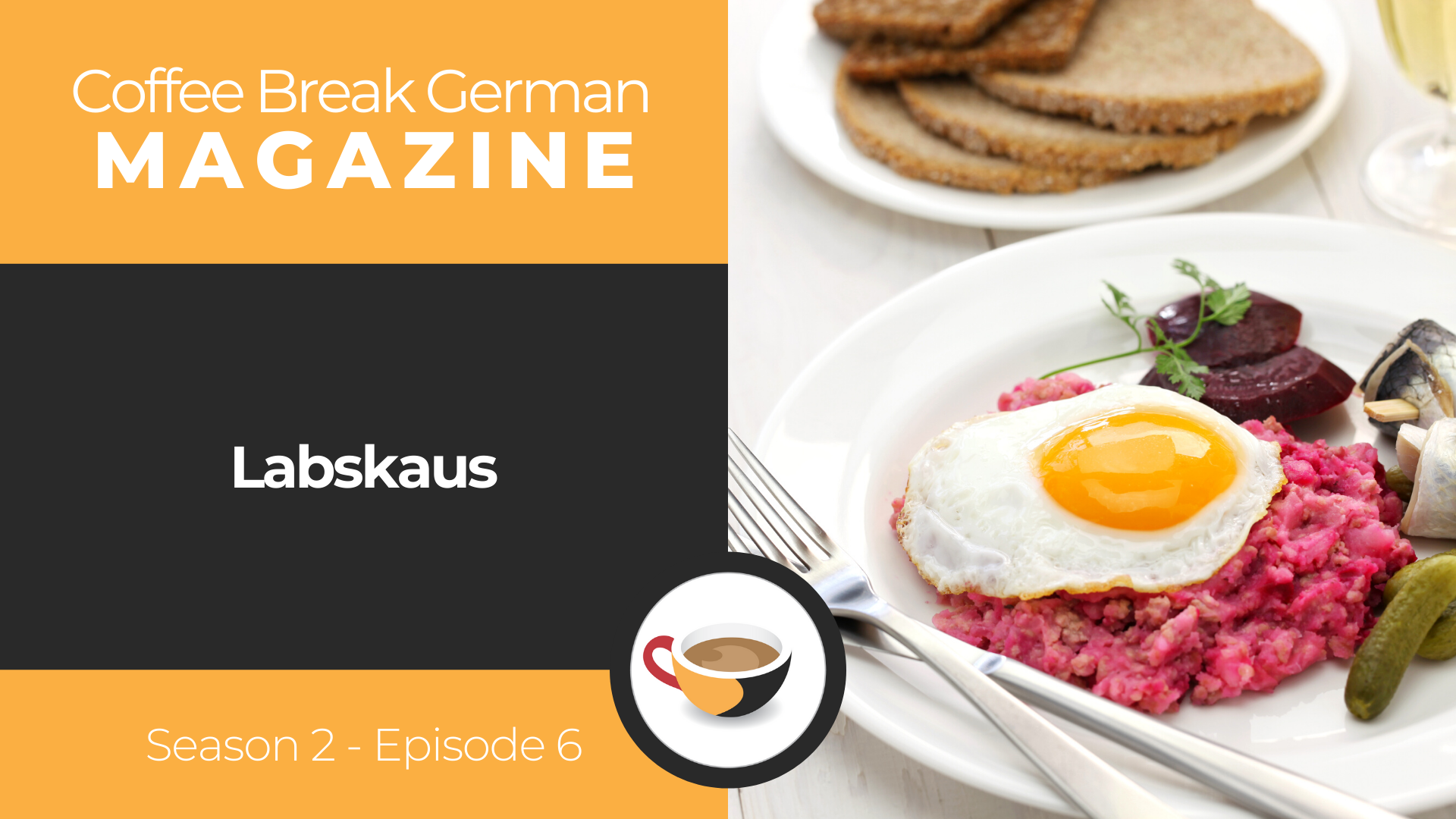
We hope you’re hungry as this episode of the Coffee Break German Magazine is all about a traditional North German dish made of potatoes, beef, pickles and beetroot. This used to be a sailor’s dish but today it’s found all over Northern Europe, and there are lots of different variations. This episode will give you the opportunity to brush up on your food-related vocabulary with words such as Gewürzgurke, gepökelt and Spiegelei. Be sure to listen until the end to hear our tongue twister!
CBG 3.17 | Qualifiers | Ich finde ihn ganz nett

In this episode of Coffee Break German Season 3 we are discussing the new topic of qualifying adverbs: sehr, ziemlich, außerordentlich, völlig. We also listen to a conversation between school students Manuela, Tina and Tobias, who are discussing the latest developments at school and what they think of them. Some vocabulary to look out for is; gemütlich, auffallen, es eilig haben and ausgesprochen.
CBI 3.17 | Molto, troppo, poco, tanto used as adjectives or adverbs | Alberobello e i suoi Trulli

Welcome back to another episode of Coffee Break Italian Season 3! In this episode we cover the topic of molto, troppo, poco, tanto used as adjectives and adverbs. We continue listening to the dialogue of Nicola and the guided tour of Puglia, which has now reached the destination of Alberobello, famous for its Trulli and for being a UNESCO world heritage site. Listen out for some key vocabulary used in the dialogue, including: artigianato, cocente, del posto.
CBS Mag 4.06 | Isabel Allende
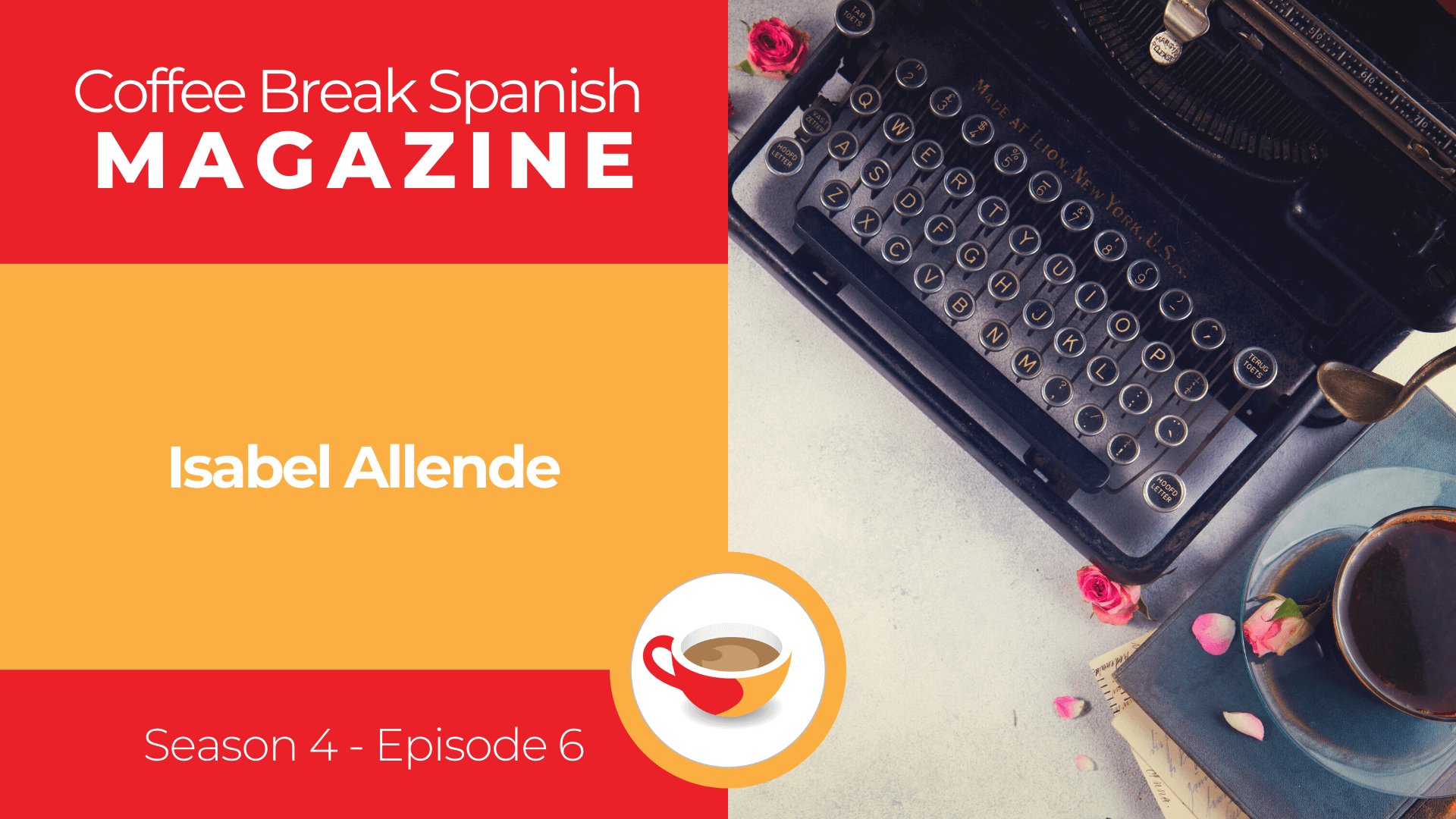
In this episode of the Coffee Break Spanish Magazine, Mark and Anabel discuss a text about the life and work of a very famous novelist who was born in Chile – Isabel Allende. While learning more about Isabel Allende throughout the text, we discuss some interesting language points including regular and irregular participles and the difference between ser and estar. As always, Marina joins Mark at the end of the episode and this time, we learn the meaning behind an interesting Spanish expression.
CBF Mag 2.06 | Mais d’où viennent les frites ?
Mais d’où viennent les frites ? That is the question Mark and Pierre-Benoît are addressing in this episode of the Coffee Break French Magazine! We hope you’re hungry as we hear a range of useful food-related words and expressions in this episode, such as manger sur le pouce, avoir la frite and ne pas avoir toutes ses frites dans le même sachet. We also come across examples of direct object pronouns and learn more about the use of the superlative.