Have you ever thought about how important numbers are in your daily life? From talking about your family to paying a bill, they are always around. So, if you plan to visit an Italian-speaking country, being able to understand numbers in Italian is a must.
In this blog post, you will find helpful number vocabulary for your future travels. In addition, if you are a beginner or looking to refine your skills, this article will give you what you need.
Press play to listen to the podcast and get more insight into the pronunciation of the words we will present to you in this article.
Siamo pronti?
Numbers in Italian: a guide on how to count, handle money and discuss dates
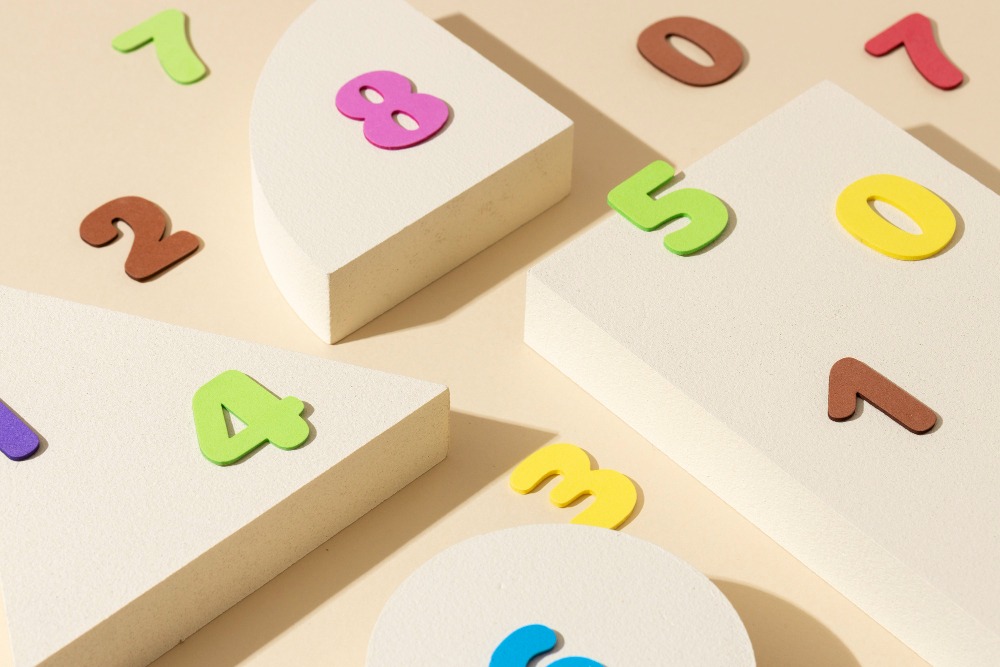
As we mentioned before, learning numbers in Italian is a crucial step for anyone wanting to master the language. Whether you’re travelling through the picturesque streets of Rome or shopping in Milan’s bustling markets, understanding how to count, manage money, and talk about dates is indispensable.
Let’s have a closer look into this world:
Counting in Italian
Let’s start with the basics — numbers 1 to 10 in Italian
- Uno
- Due
- Tre
- Quattro
- Cinque
- Sei
- Sette
- Otto
- Nove
- Dieci
Ok, now moving forward, we can have a look at the numbers 11 through 20:
- Undici
- Dodici
- Tredici
- Quattordici
- Quindici
- Sedici
- Diciassette
- Diciotto
- Diciannove
- Venti
For the numbers 21 to 29, you can simply add the smaller number onto the word for twenty. However, we have some exceptions: uno begins with a vowel, so we need to drop the -i at the end of venti before adding on the word uno. This gives vent + uno = ventuno twenty-one. The same thing happens with ventotto twenty-one.
The same logic applies to the numbers from 30 to 100.
- Trenta (30)
- Quaranta (40)
- Cinquanta (50)
- Sessanta (60)
- Settanta (70)
- Ottanta (80)
- Novanta (90)
- Cento (100)
For numbers beyond one hundred, you combine cento with the remaining digits. Here are a few examples:
- Centocinquantatré one hundred and fifty-three
- Settecentoquattordici seven hundred and fourteen
It is also important to bear in mind that that tre (3), when combined with another number, always requires the grave accent, like:
- 23 = ventitré
Dates in Italian
Discussing this topic involves knowing the days of the week, months and, since we are talking about numbers in Italian, how to format years. With that in mind, let’s have a look at these words,, starting with the days of the week:
- lunedì Monday
- martedì Tuesday
- mercoledì Wednesday
- giovedì Thursday
- venerdì Friday
- sabato Saturday
- domenica Sunday
One marker to pay attention to is that all weekdays end in -dì, an old word for ‘day’ in Italian, with the exception of Saturday and Sunday. Now let’s check the name of the months in Italian:
- gennaio January
- febbraio February
- marzo March
- aprile April
- maggio May
- giugno June
- luglio July
- agosto August
- settembre September
- ottobre October
- novembre November
- dicembre December
Another thing to observe is that unlike in English, in Italian the days of the week and months of the year are not capitalised. Now that you are aware of these details, let’s focus on dates in Italian. To say them we use the cardinal numbers for the day, the month names and the numbers in Italian.
For example:
- 01/7/2024: primo luglio duemilaventiquattro
- 25/03/2024: venticinque marzo duemilasette
- 16/10/1991: sedici ottobre millenovecentonovantuno
Rember that primo is the only non-cardinal number used in Italian for dates – it’s the equivalent of ‘first’.
Oh, you can also use one of these useful phrases for asking about dates:
- Che giorno è oggi? What day is today?
- Quando è il tuo compleanno? When is your birthday?
Paying in Italian
The numbers in Italian can also help you talk about prices and payments. When asking for prices, you can use the phrase “Quanto costa?” or “Quanto viene?”. For example:
- Quanto costa questo libro? How much does this book cost?
- Costa dieci euro. It costs ten euros.
- Quanto viene una pizza? How much is a pizza?
- Viene sette euro e cinquanta centesimi. It’s seven euros and fifty cents.
After reading this article and listening to the podcast along with it, we are sure you have learned some useful vocabulary and are ready to deal more effectively with numbers in Italian. Finally, if you’d like to learn more about shopping vocabulary in Italian, you should check the blog article and the next episode we prepared exclusively about the theme!