In lesson 07 you’ll learn to say that it’s nice to meet people. You’ll also learn to ask people to help you with your Russian.
Download episode | Subscribe in iTunes | RSS Feed | Bonus Materials

 Coffee Break Languages
In lesson 07 you’ll learn to say that it’s nice to meet people. You’ll also learn to ask people to help you with your Russian.
Download episode | Subscribe in iTunes | RSS Feed | Bonus Materials
 Here are Radio Lingua we’re continuing to develop our range of services and for the past few months we’ve been supporting a number of projects within the education space in the UK and elsewhere in Europe. This week, Mark is in Strasbourg, France, working with a number of colleagues leading a student visit to the European Parliament. The students have been selected to represent their local area and are being sponsored to take part in this visit by Rotary International. The visit also receives funding from the European Parliament.
In addition to working with the other teachers who are supporting the visit, Mark is producing an on-going video and audio podcast with the students. The entire visit is being documented at www.euroscolaonline.com and you can subscribe to the video podcast in iTunes.
In lesson 07 you’ll learn to say it’s nice to meet people, and to ask people for some help learning German.
Download episode | Subscribe in iTunes | RSS Feed | Bonus Materials
When visiting a French café, knowing how to order a coffee in French is essential for enjoying the local culture. In this blog post, we’ll cover the necessary vocabulary and phrases to help you confidently order your favourite beverages in French.
Whether you’re in a bustling Parisian café or a quaint village bistro, these tips will ensure you get exactly what you want.
Before you get familiar with how to order a coffee in French, you must know the different types of coffee you can order in a French café:

Aside from coffee, you might want to order other beverages in French. Here are some popular choices:
Would you like to hear these phrases pronounced and used in context? Listen to episode 15 of Season 1 of the Coffee Break French podcast for more insights and useful expressions.
The waiter might ask, ‘Vous désirez ?’ What would you like?, to which you can respond with your choice of coffee or beverage in French.
When you’re ready to order, use one of these three essential phrases to ensure you get the coffee you want:
Let’s check some examples:
To illustrate how to order a coffee in French, here’s an example dialogue:
Knowing how to order a coffee in French is a valuable skill that enhances your café experience. By familiarising yourself with the different types of coffee and other beverages in French, you can confidently place your order and enjoy your time in any French-speaking café.
Remember to practice these phrases, and soon you’ll feel right at home ordering your favourite drinks in French. Whether it’s how to order a coffee in French or any other drink, you’ll be well-prepared for your next visit.
Do you want to keep improving your French skills and learn how to order snacks in French? Then check the article we prepared to help you ask for what you want to eat at a French café!
In lesson 06 you’ll learn to introduce yourself and ask other people their names, a crucial step in making friends and getting to know native speakers.
Download episode | Subscribe in iTunes | RSS Feed | Bonus Materials
Learning about places in town in French is an essential part of mastering the language, especially if you plan to visit or live in a French-speaking area. In this blog post, we’ll explore common places in town, how to describe their locations, and useful phrases to help you navigate your way around.
By the end of this guide, you’ll be well-equipped to talk about places in town in French confidently.
Let’s start with some key vocabulary for places in town in French, these terms will come in handy when you’re describing different places you might visit in a town:
To describe locations, it’s useful to know how to say there is or there are in French, which is il y a. For example:
You can also specify locations within your town. For example:
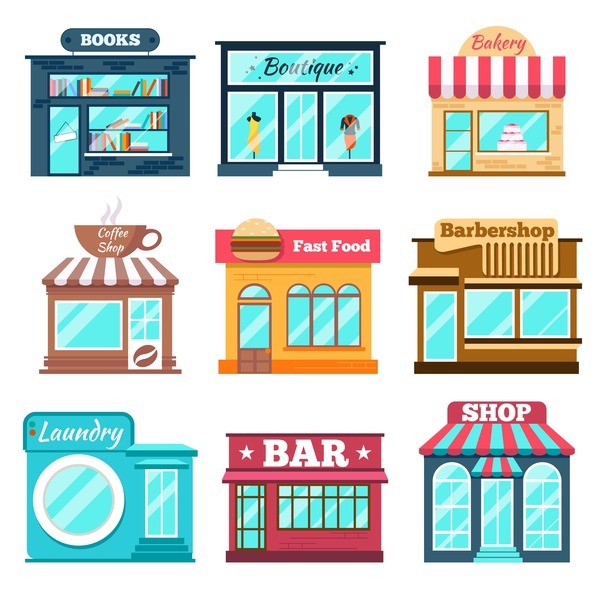
Here are some useful phrases for describing specific locations in town:
Mastering places in town in French and their locations allows you to navigate and describe your surroundings fluently. Whether you’re discussing where to find key locations or giving directions, these expressions will help you engage in meaningful conversations. Keep practising, and you’ll soon feel more confident and comfortable talking about places in French.
Would you like to hear these phrases pronounced? Listen to episode 14 of Season 1 of the Coffee Break French podcast for more insights and useful phrases.
Using the vocabulary and phrases above, let’s create some example sentences to see how they fit into everyday conversation:
Let’s see how these phrases can be used in a practical dialogue:
Translation:
By learning about places in town in French, you can enhance your ability to navigate and describe your surroundings. Practice using these vocabulary words and phrases in sentences to become more comfortable.
Whether you’re asking for directions or describing a place to someone else, these skills will help you communicate more effectively in French. Remember, the more you practice, the more confident you’ll become. So, next time you’re talking about places in town in French, use these tips and phrases to guide you.
Do you want to keep improving your French skills? Then check the article we prepared to help you order drinks in French.
In lesson 06 you’ll learn to introduce yourself and to ask other people their names.
Download episode | Subscribe in iTunes | RSS Feed | Bonus Materials
In this lesson you’ll continue to impress your Russian-speaking friends by saying you’re learning Russian, and that it’s quite difficult!
Download episode | Subscribe in iTunes | RSS Feed | Bonus Materials

I’ve just spent the evening recording the latest in our One Minute Languages series in Sandefjord, Norway, with my good friend and former colleague, Norwegian teacher Dag Virik. We recorded the whole series tonight and will be releasing it in a couple of weeks’ time, so if you’re interested in picking up a “litt norsk”, (a little Norwegian) then we’ll be announcing a start date very soon.
Image originally uploaded by Petter Nordby.
In this final lesson of this stage of the course you’ll learn useful phrases such as “Merry Christmas”, “Happy Birthday” and “I love you” in the language.
Download episode | Subscribe in iTunes | RSS Feed | Bonus Materials
In this lesson you will learn to say that you’re learning German, and that you find it quite difficult.
Download episode | Subscribe in iTunes | RSS Feed | Bonus Materials
Having learned to say that you speak a little Russian in lesson 03, the chances are that Russian speakers will be so delighted to hear you speaking Russian they’ll start talking to you in fast Russian. In lesson 04 of One Minute Russian you’ll be learning the crucial phrase “I don’t understand”.
Download episode | Subscribe in iTunes | RSS Feed | Bonus Materials
Navigating a new place can be challenging, but knowing how to ask for and understand directions in French makes it much easier. In this article, we’ll cover essential vocabulary and phrases to help you find your way around French-speaking areas.
Whether you’re looking for a restaurant or the nearest bank, these phrases will come in handy.
Before we dive into directions in French, it’s important to familiarize yourself with some common places you might need to find:

When you need to ask for directions in French, it’s important to be polite and clear. Here are some essential phrases and how to use them in different contexts:
This is the simplest and most direct way to ask where something is. For example:
Adding “s’il vous plaît” (please) makes your request more polite. It’s a good habit to include this in your questions, especially when asking strangers for help. For instance:
This phrase is a bit more formal and can be used interchangeably with “Où est la banque, s’il vous plaît ?” It implies that you’re asking for the specific location of the bank. Examples include:
This is a very concise way to ask for directions in French, often used when you want to quickly grab someone’s attention or when you’re in a hurry. It’s less formal and might be followed by a more detailed question or statement. For example:
Once you’ve asked for directions, understanding the response is crucial. And if any French speaker comes to you and asks you about a direction. Here are some phrases you might find useful:
Would you like to learn the pronunciation of these phrases to ask and give directions in French? In episode 13 of Season 1 of the Coffee Break French podcast, you can learn how these phrases and more are pronounced in French. Listen to it now:
When asking for directions in French, it’s often helpful to know how close or far a location is from your current position. Here are some useful phrases to help you determine proximity:
This phrase is a simple and direct way to ask if a location is close to where you are. It’s informal and commonly used in casual conversations. For example:
This is a more formal way to ask if something is nearby. It’s useful in more polite or formal contexts, such as when speaking with someone you don’t know well. For example:
This phrase helps you find out if a location is far from your current position. It’s straightforward and informal, suitable for everyday use. For example:
This is a more formal way to ask if something is far away. It’s polite and can be used in more formal situations. For example:

To give you a practical example of how to ask for directions in French, here’s a dialogue that incorporates the vocabulary and phrases seen above:
You: Bonjour, où est la banque, s’il vous plaît ?
Local: Bonjour ! Allez tout droit, puis tournez à gauche. La banque est à côté de la cathédrale.
You: Merci beaucoup ! Est-ce que c’est près d’ici ?
Local: Oui, c’est très près d’ici, à environ cinq minutes à pied.
Translation:
You: Hello, where is the bank, please?
Local: Hello! Go straight ahead, then turn left. The bank is next to the cathedral.
You: Thank you very much! Is it near here?
Local: Yes, it’s very close, about a five-minute walk.
Mastering directions in French is a valuable skill that enhances your travel experiences and daily interactions in French-speaking areas. By learning key locations and essential phrases, you’ll be well-equipped to ask for and understand directions with ease. Remember to practice regularly and don’t hesitate to ask locals for help—they’re usually more than willing to assist!
Do you want to keep improving your French skills and learn how to talk about what is there in your town? Then check the article we prepared to help you with this!
In lesson 09 you’ll learn to ask the question “how are you?” and give appropriate answers, depending on your mood.
Download episode | Subscribe in iTunes | RSS Feed | Bonus Materials
Having learned to say that you speak a little German in lesson 03, in lesson 04 you’ll learn to say that you don’t understand!
Download episode | Subscribe in iTunes | RSS Feed | Bonus Materials
In lesson 03 of One Minute Russian you’ll learn to say that you can speak a little Russian. This in itself will guarantee to impress native Russian speakers!
Download episode | Subscribe in iTunes | RSS Feed | Bonus Materials
In this final lesson of this stage of the course you’ll learn useful phrases such as “Merry Christmas”, “Happy Birthday” and “I love you” in the language.
Download episode | Subscribe in iTunes | RSS Feed | Bonus Materials
In lesson 08 you’ll learn to count up to ten.
Download episode | Subscribe in iTunes | RSS Feed | Bonus Materials
Learning how to write the date in French is essential for anyone studying the language. This guide will provide you with the vocabulary and structure needed to master this skill. Knowing how to express dates in French will enrich your conversations, whether you’re planning an event, writing a letter, or filling out forms.
Writing the date in French involves a unique structure that differs from English. By mastering this skill, you’ll be able to handle various everyday tasks more effectively and communicate more clearly in French-speaking environments.
Check it out!
Understanding numbers is crucial as they form the backbone of any date format. Knowing how to count and use these numbers in context will make writing and speaking about dates much easier. Let’s review the numbers you’ll need to write the date in French. We will start at 11, but if you want a refresher on the numbers from 0 to 10 in French, check our episode 6.
These are the numbers you’ll use most frequently when writing dates, as they cover the range from the 11th to the 31st of any month. Knowing how to write the date in French is essential.
Learning these multiples will help you when dealing with larger numbers, such as years and centuries.
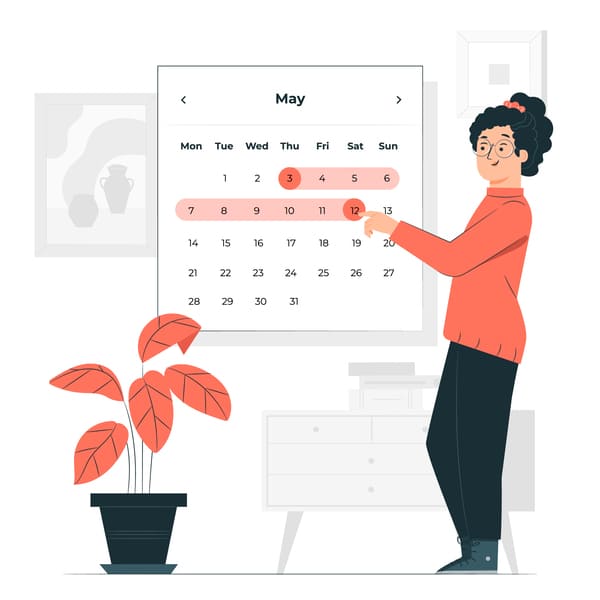
Knowing the days of the week is essential for accurately stating dates. Practice using these terms regularly to become more comfortable with them.
The months in French are similar to their English counterparts, which makes them relatively easy to remember and use.
Would you like to hear these numbers, days and months pronounced? Listen to episode 12 of Season 1 of the Coffee Break French podcast for more insights and useful phrases to learn how to write the date in French.
Structuring the date correctly is vital for clear communication. This format is used in both spoken and written French, so practising it will enhance your fluency and help you know how to write the date in French.
To write the date in French, follow this structure:
Unlike in American English, in French, like in British English, the day comes before the month. For example:
These examples show how dates are structured in real-life contexts, helping you see how the rules are applied.
Practising with different dates will solidify your understanding and help you become more confident in writing them accurately.
Answers:
By practising how to write the date in French, you will improve your understanding of the language and feel more confident in various contexts. Whether it’s for personal use or formal writing, mastering dates in French is an important step in your language-learning journey. So, the next time you wonder how to write a date in French, remember these tips and keep practising!
Do you want to keep improving your French skills? Then check the article we prepared to help you to follow and give directions in French.
In lesson 03 you’ll learn to say that you speak a little German.
Download episode | Subscribe in iTunes | RSS Feed | Bonus Materials
