The Coffee Break Show

Coffee Break French

What’s the difference between ‘jour’ and ‘journée’ in French?

Why does French have two words for “day”? The distinction between jour and journée can be confusing for French learners and can seem subtle, but we’re going to look at the nuances of each word to help you know when to translate “day” as jour and when it should be journée. The Coffee Break French

Coffee Break English

How to pronounce ‘eat’ and ‘it’ correctly

Do you know how to pronounce the words eat and it correctly in English? These two words sound very similar, and it can be difficult to understand the difference between them, when it comes to pronunciation. This is because the vowel (vowel = the letters a, e, i, o, u) sounds are very similar. There

Coffee Break Spanish

Converse in Spanish like a native: choosing ‘tú’ or ‘usted’

Knowing when to use tú and when to use usted can be challenging for any learner of Spanish, especially because it depends on the location where you are speaking Spanish. The Coffee Break Spanish Show is a podcast series of bite-sized, friendly conversations, in which we demystify tricky Spanish language topics. In the latest episode,

Coffee Break German

A guide to forming questions in German

How do you ask questions in German? Questions are essential to every conversation and will always be part of your interactions when visiting a German-speaking country. So, read on, as we’re going to answer all your questions about forming questions in German! The Coffee Break German Show is a podcast series of bite-sized, friendly conversations,

Coffee Break Italian

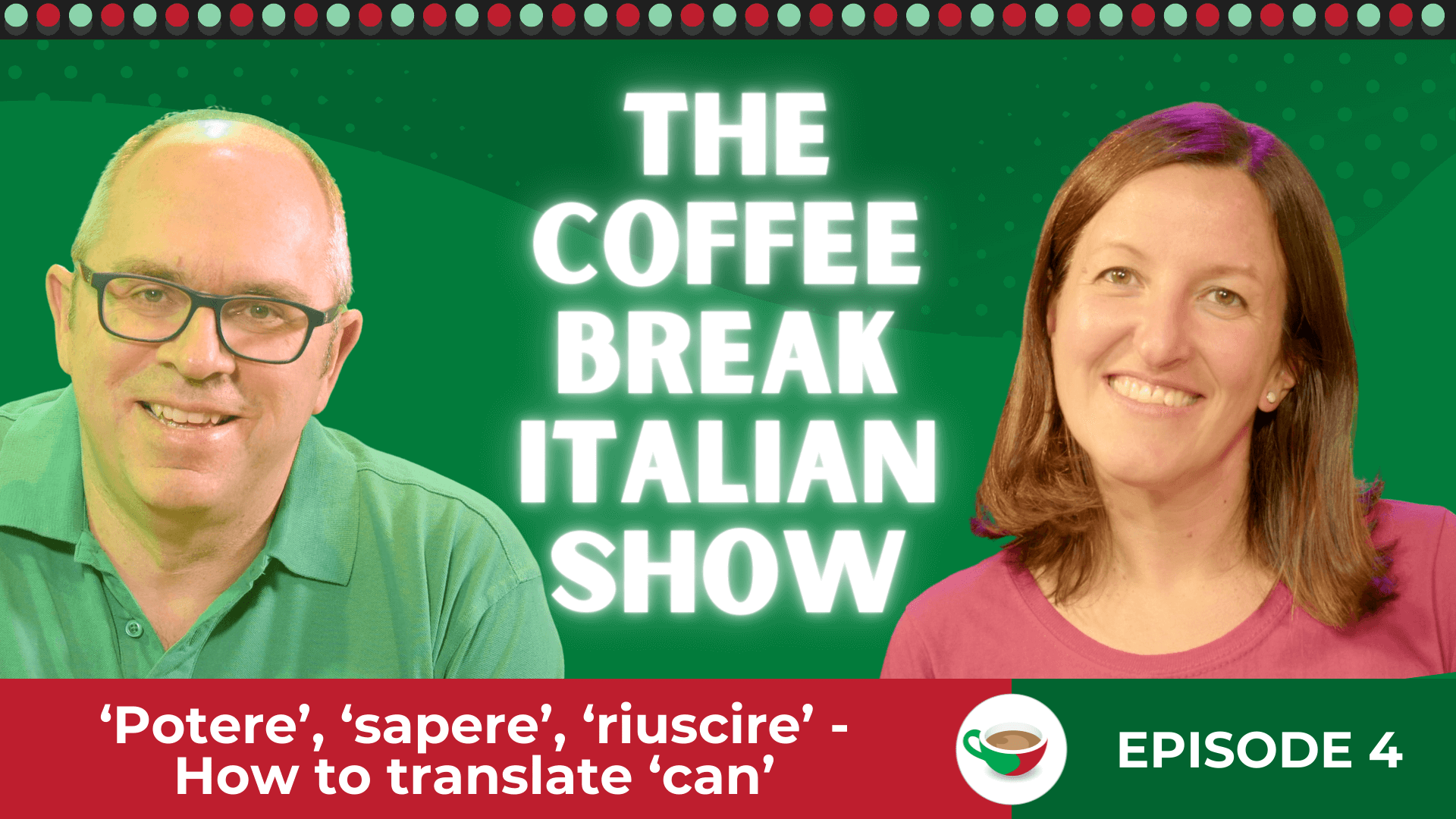
How to say ‘can’ in Italian: potere, sapere, riuscire

Did you know that the English verb “can” can be translated into Italian in three different ways? Each of the three verbs brings its own twist to the concept of “can” – creating a painter’s palette of nuanced expressions! The Coffee Break Italian Show is a podcast series of bite-sized, friendly conversations in which we demystify

Coffee Break French

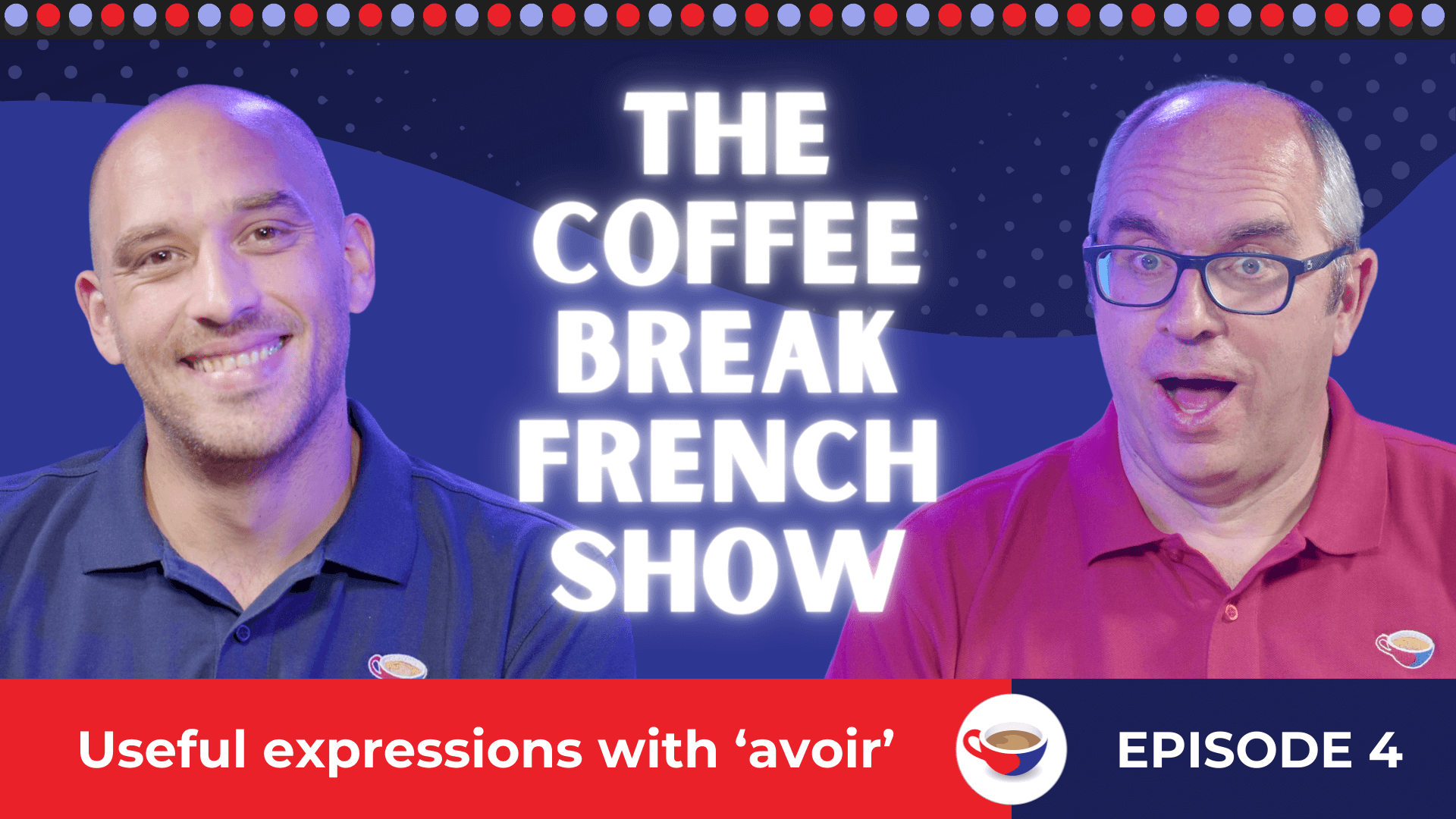
Useful expressions with ‘avoir’

Which French expressions do you know that use the verb avoir? There are many to choose from! While avoir translates into English as “to have”, its use goes beyond possession and ownership, extending to sensations, emotions and age. The Coffee Break French Show is a podcast series of bite-sized, friendly conversations in which we demystify
Coffee Break English

When do I use ‘travel’, ‘trip’ and ‘journey’?

Do you know the difference between the words travel, trip and journey? They all have similar meanings, so it’s easy to confuse them! The Coffee Break English Show is a podcast series of bite-sized, friendly conversations to help you understand some difficult topics in English. In the latest episode, Mark and Josie talk about when to

Coffee Break Spanish

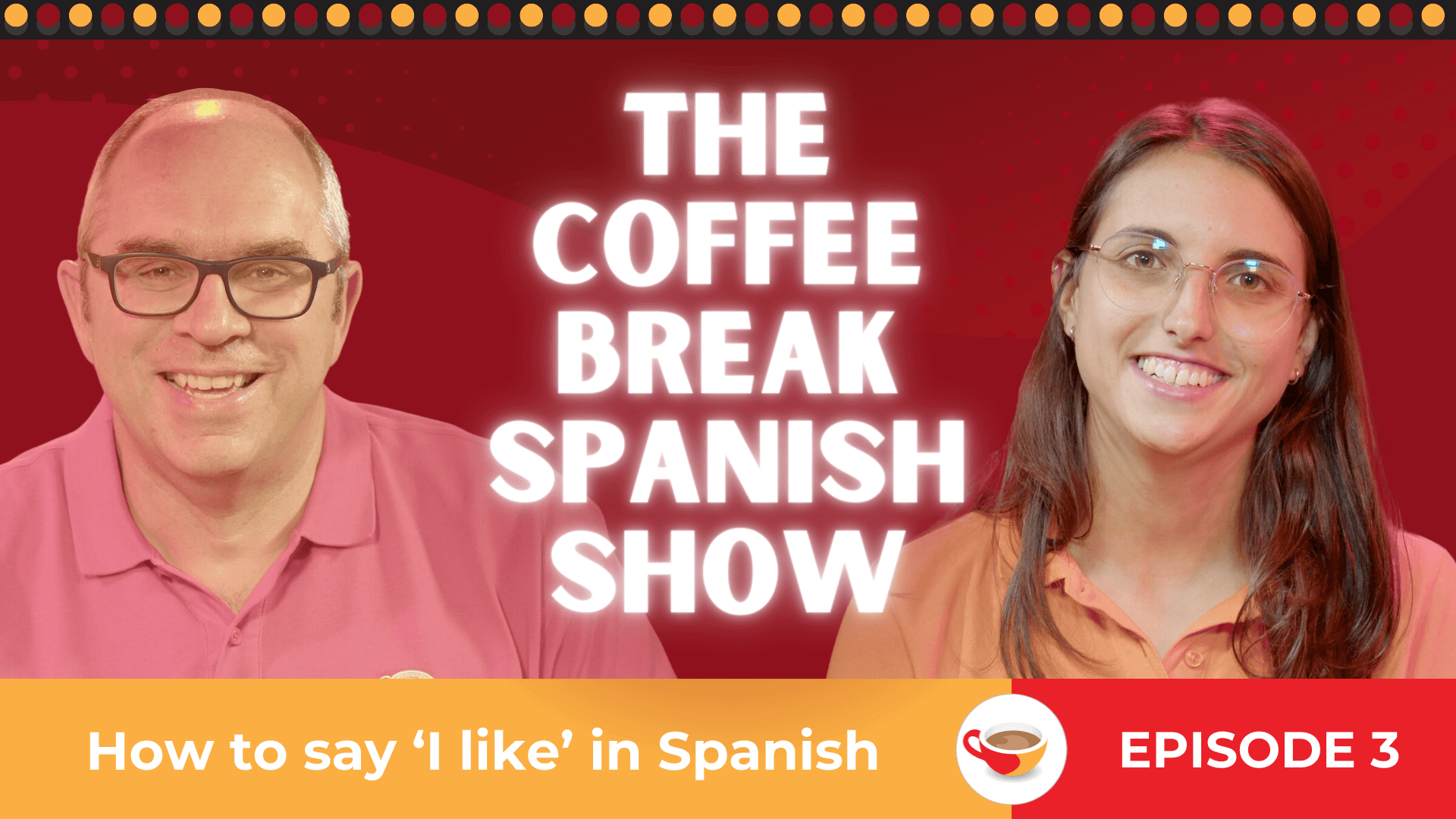
How to use ‘me gusta’ in Spanish

Me gusta el español may be one of the first sentences we learn when we start studying Spanish. However, gustar can be a tricky verb to use! In fact, “how do you say that you like something?” is one of the questions we get asked the most by our Coffee Break Spanish community. That’s why

Coffee Break German

Everything you need to know about the German umlaut

As you may already know, the umlaut in German is the two small dots that can be used above the letters a, o and u. But when and why do we use an umlaut? And how does the umlaut change the sound of the letter? The Coffee Break German Show is a podcast series of bite-sized, friendly conversations in

Coffee Break Italian

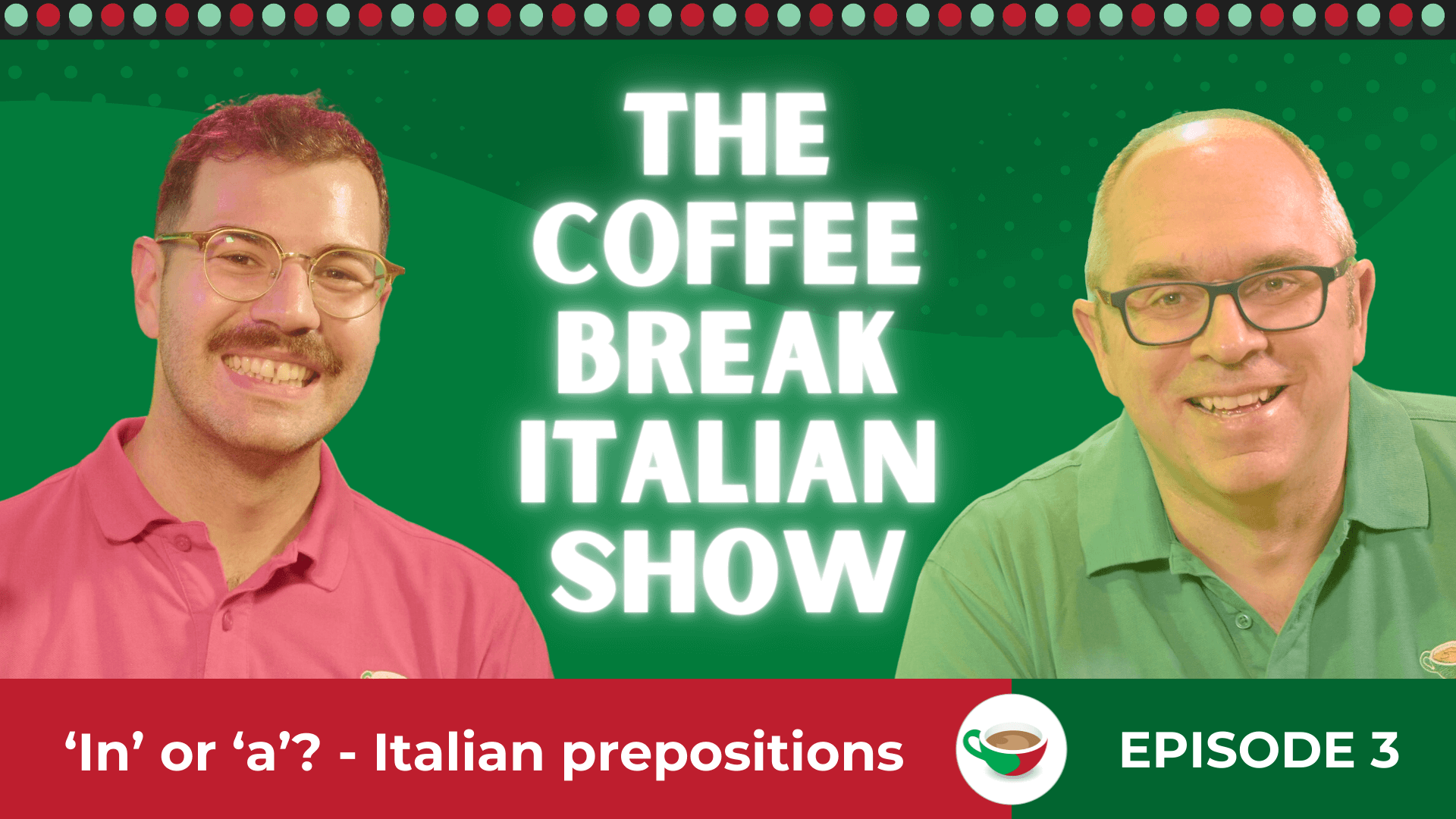
5 rules for when to use ‘a’ and ‘in’ in Italian

Going to a café can be a great opportunity to sit down and listen to one of our Coffee Break Italian podcasts with a nice cup of coffee or tea. In this article we’re talking about prepositions, so do you know which preposition you’d use in Italian to talk about going to a café or being

Coffee Break French
Converse in French like a native: choosing ‘tu’ or ‘vous’

Learning a new language comes with its own set of interesting challenges, and for learners of French, one of these challenges is knowing when to use the informal tu and when to use the formal vous, especially if your native language is one which only has one word for “you”. Mastering this nuance, however, is

Coffee Break English

The present simple and present continuous: ‘I work’ or ‘I am working’?

Do you know the difference between I work and I am working in English? This can be a challenging topic for English learners, especially because many languages just have one present tense. The Coffee Break English Show is a podcast series of bite-sized, friendly conversations to help you understand some difficult topics in English. In

Coffee Break Spanish

When to use ‘el’ with feminine nouns

Have you ever wondered why there are some feminine nouns that use the masculine definite article el? You may be thinking of examples like el agua, el hambre or el aula. You probably already know that when it comes to grammatical gender in Spanish, nouns can either be masculine or feminine. Masculine nouns use the word el to mean “the”

Coffee Break German

Saying ‘to go’ in German: ‘fahren’ or ‘gehen’?

Most learners think of the verb gehen when they want to say “to go” in German, but that’s not always correct! Yes, there are times when you should use gehen, but at other times we use fahren. Both verbs can mean “to go” in different contexts. The Coffee Break German Show is a podcast series

Coffee Break Italian

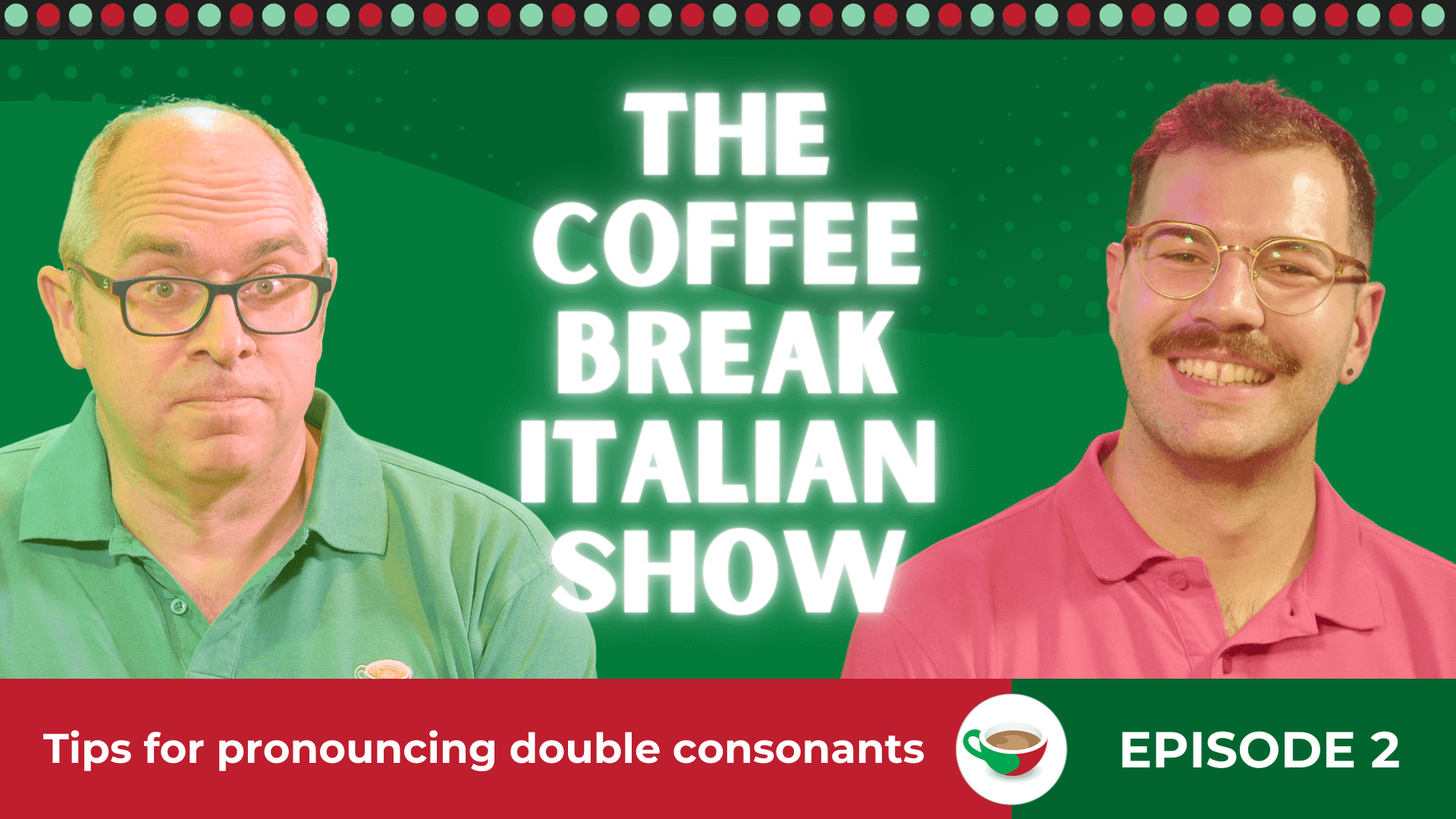
How to pronounce Italian double consonants

Italian is renowned for its smooth and lyrical sounds. One of the intriguing aspects of Italian pronunciation lies in its double consonants – or le doppie. In Italian, all consonants can be doubled (apart from the letter H). Even the double Q exists – soqquadro (“disarray”). The Coffee Break Italian Show is a podcast series

Coffee Break French

Understanding adjective placement in French: when do adjectives go before a noun?

Adjectives play a crucial role in adding depth to your French conversations. However, understanding where to place them in a sentence can be tricky for learners. In most cases, adjectives in French come after the noun they modify, but there are some exceptions which can make this rule seem more like a guideline. The Coffee

Coffee Break English

When to use ‘do’ and ‘make’ in English

Do you know when to use do and when to use make when you’re speaking English? This can be a difficult topic for English learners, because many languages just have one verb for do and make. In this episode of The Coffee Break English Show, we’ll do some work to help you avoid making mistakes

Coffee Break Spanish

How to pronounce the R in Spanish

The Spanish R is one of the most distinctive sounds when you listen to a native speaker. For a learner, getting your mouth around the R might not only be challenging, but it can also be tough to know how and when to use it. The Coffee Break Spanish Show is a podcast series of

Coffee Break German

Unravelling word order in German multi-verb sentences

Word order in German can seem unusual, especially when there is more than one verb in a sentence. However, you’ll soon find that there are some straightforward rules to follow and constructing sentences with confidence will be well within your grasp. The Coffee Break German Show is a podcast series of bite-sized, friendly conversations in

Coffee Break Italian

Converse in Italian like a native: choosing ‘tu’ or ‘Lei’

When you speak Italian, formality is more than just a grammatical nuance – it’s a cultural code that reflects our relationships and social contexts. The Coffee Break Italian Show is a podcast series of bite-sized, friendly conversations in which we demystify tricky Italian language topics. In the latest episode, Mark and Francesca delve into the