
Converse in Spanish like a native: choosing ‘tú’ or ‘usted’
Knowing when to use tú and when to use usted can be challenging for any learner of Spanish, especially because it depends on the location where you are speaking Spanish.
















Knowing when to use tú and when to use usted can be challenging for any learner of Spanish, especially because it depends on the location where you are speaking Spanish.

In this lesson of Coffee Break Gaelic, we’re talking about work. Join our Gaelic language expert Susanna as she teaches learner Mark how to ask someone about their job and

How do you ask questions in German? Questions are essential to every conversation and will always be part of your interactions when visiting a German-speaking country. So, read on, as

In lesson 17 of Coffee Break Portuguese we’re taking what we learned in our previous lesson a stage further and continuing with the topic of shopping. This time, we’re at
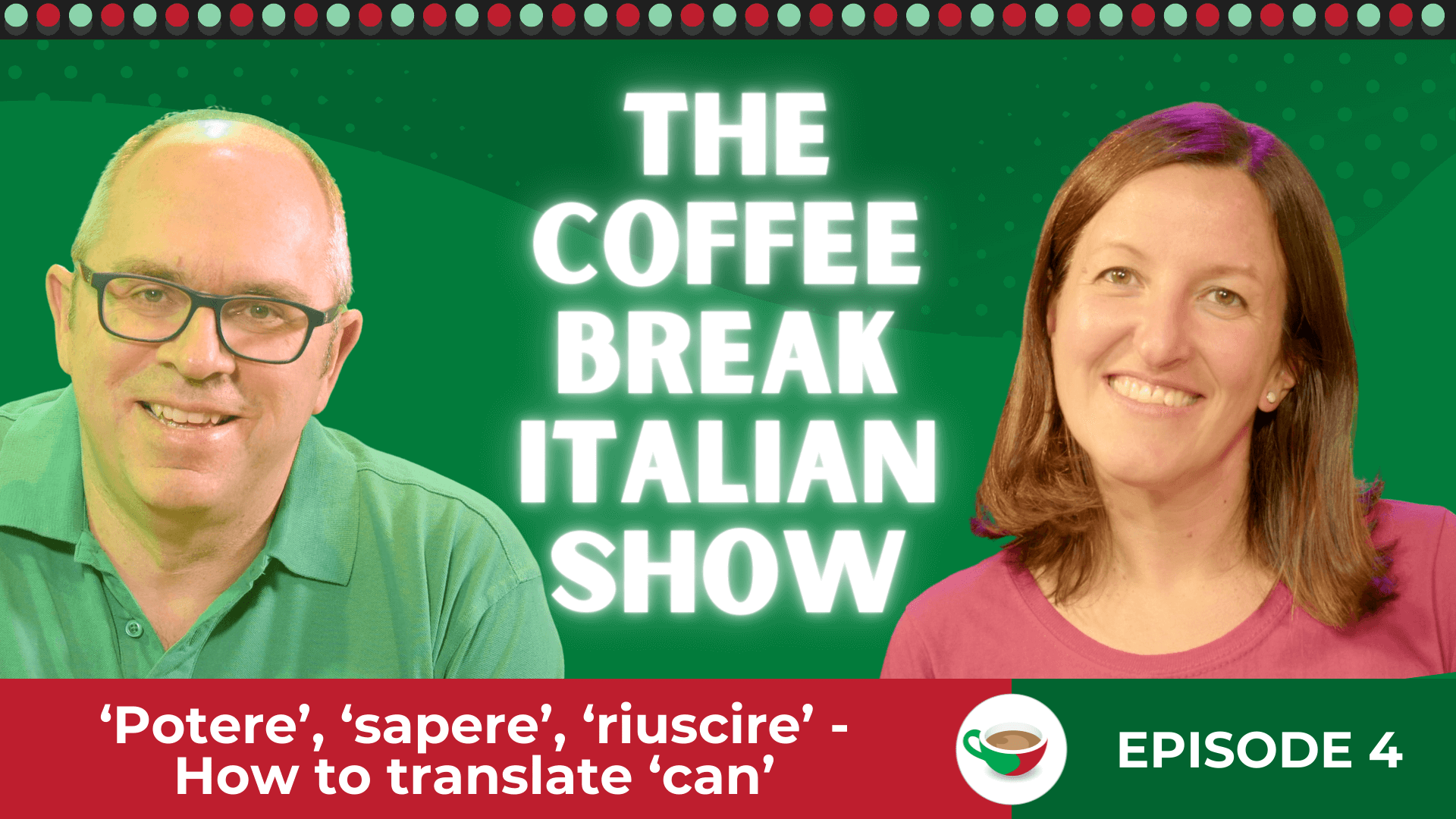
Did you know that the English verb “can” can be translated into Italian in three different ways? Each of the three verbs brings its own twist to the concept of “can”

Which French expressions do you know that use the verb avoir? There are many to choose from! While avoir translates into English as “to have”, its use goes beyond possession

Do you know the difference between the words travel, trip and journey? They all have similar meanings, so it’s easy to confuse them! The Coffee Break English Show is a podcast
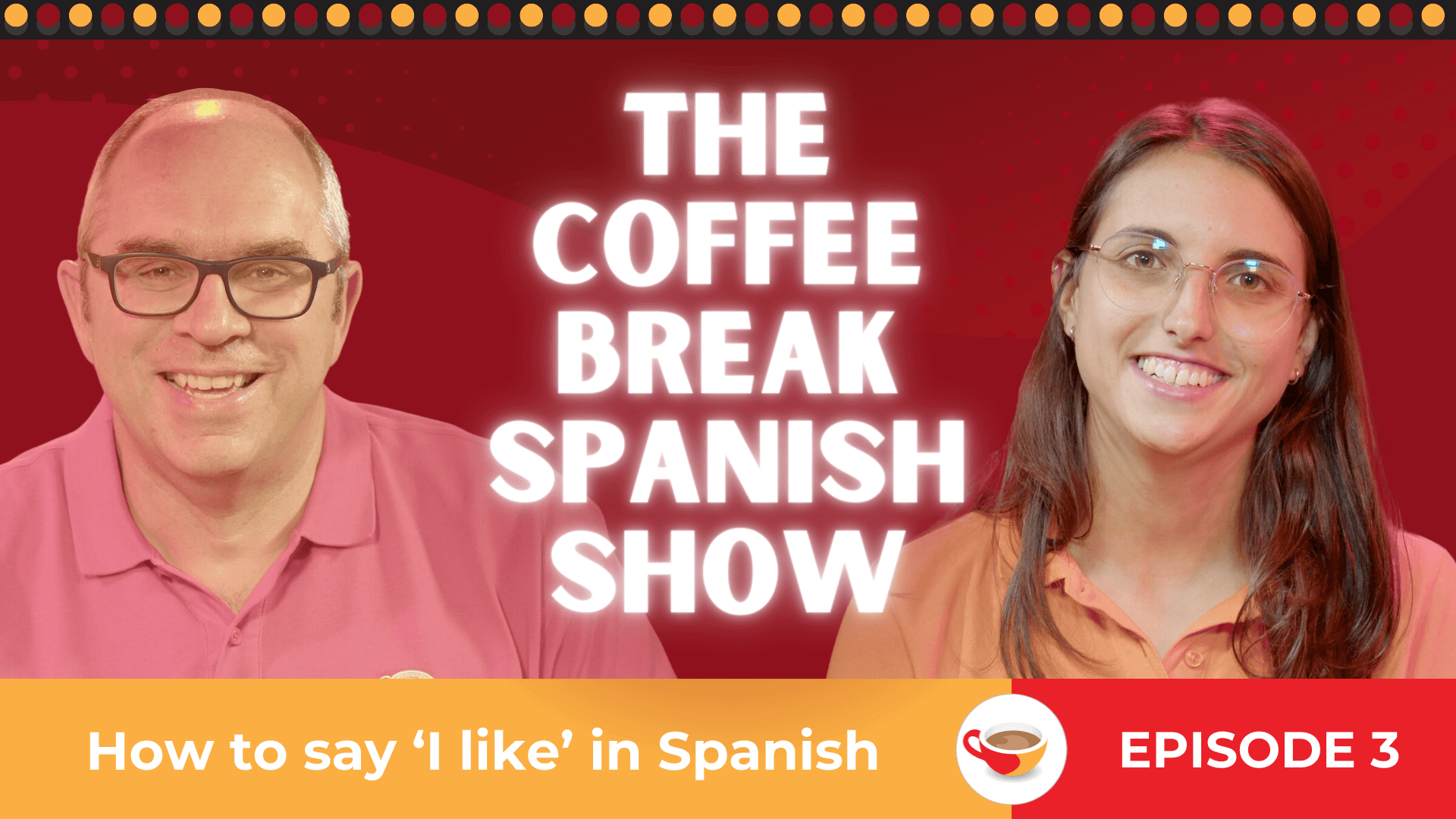
Me gusta el español may be one of the first sentences we learn when we start studying Spanish. However, gustar can be a tricky verb to use! In fact, “how

As you may already know, the umlaut in German is the two small dots that can be used above the letters a, o and u. But when and why do we use an umlaut?