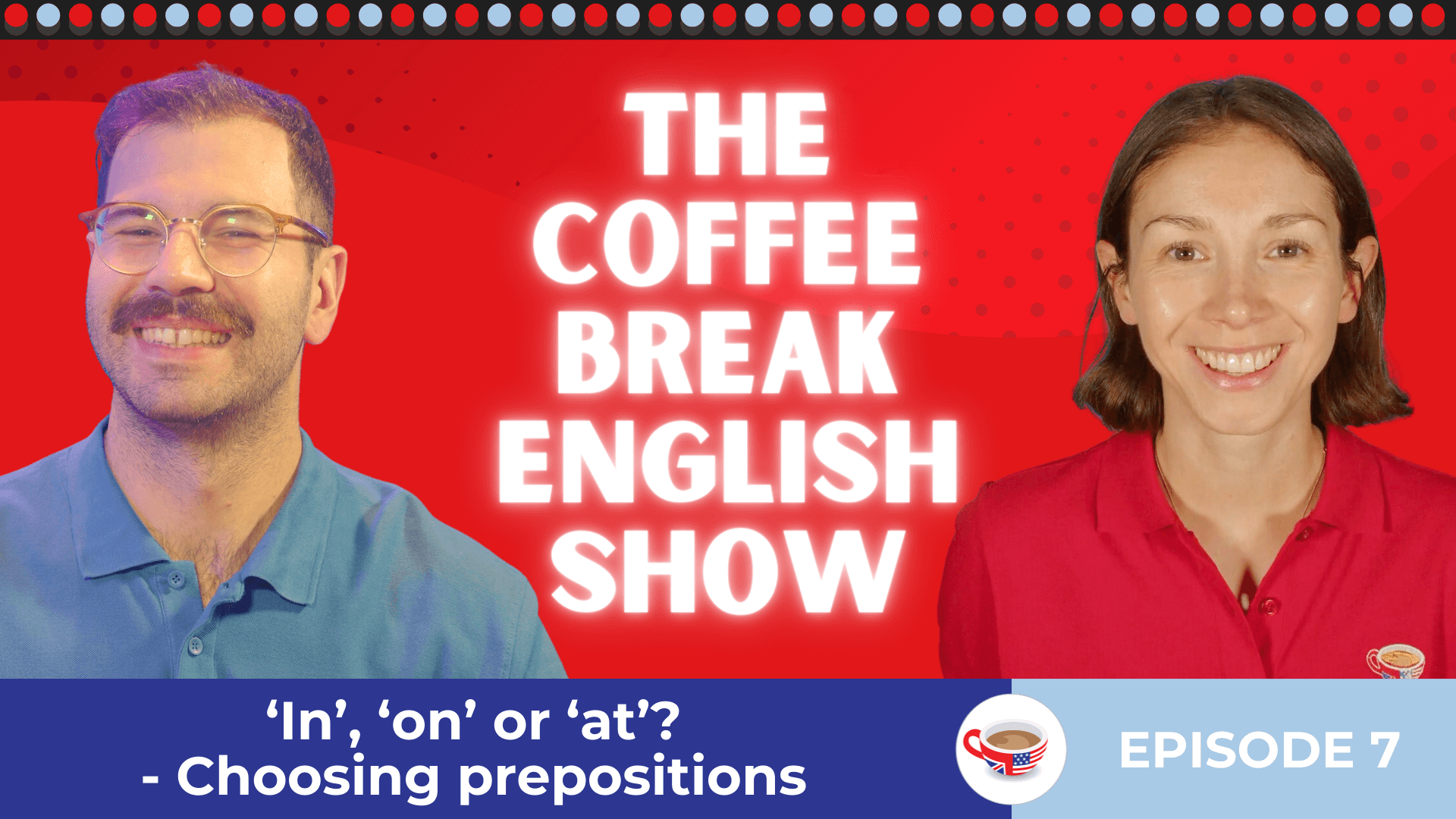
When to use ‘in’, ‘on’ or ‘at’ with time
Do you know when to use in, on, and at in English? These little words are called prepositions. They can be difficult to use correctly, because they appear very often,







Do you know when to use in, on, and at in English? These little words are called prepositions. They can be difficult to use correctly, because they appear very often,

¿Ser o estar? That is the question. As you may already know, in Spanish there are two verbs that translate as “to be”, and knowing which to choose in each
You may have already come across some long German words in your experience as a German learner – and they can be very long! Why does this happen? It’s mostly
How do we translate “the” into Italian? There are, in fact, seven options, and it depends on the grammatical gender (masculine or feminine) and the number (singular or plural) of
Do you know the difference between qui and que? Both qui and que are relative pronouns – designed to replace a noun in a sentence – yet, each has its distinct role. When
Do you know when to use is it? at the end of a phrase in English? Is it? is a question tag. Question tags can be a little difficult to
When it comes to Spanish pronunciation, some aspects of it are relatively easy to get your head around. However, at times, things can get a little tricky when it comes
When we start to learn German, one of the most important steps is to get our heads around cases of nouns and pronouns. For that reason, it’s time for a
Welcome back to another lesson of Coffee Break Gaelic! This time, Susanna and Mark are focusing on how to ask “what are you doing?” in Gaelic. By the end of