CBG 2.04 | Ich hätte gern den heissen Kaffee
In this episode you’ll learn to make requests using the correct adjectival forms. Join Mark and Andrea as they look at using adjectives in the accusative case with definite and indefinite articles.
In this lesson you’ll be all set for checking into a hotel – and using the correct German grammar to do so! Join Mark and Andrea as they look at the interesting topic of adjective endings in the nominative case with indefinite articles, so you’ll be able to ask for “a large room, a comfortable
How many times have you ordered a drink in a German café, or a snack in a German restaurant and you’ve never been quite sure about whether you’re using the correct word for “a” or “the”. Of course there’s the gender of the word to think about, but the added complication with German is the
In this first lesson of the new series of Coffee Break German, join teacher Andrea and her student Mark as they review the topic of nationalities and languages. This lesson introduces the fact that, unlike in English, German normally has a different word for the nationality and the language of a country. You’ll also review
We’re delighted to announce that Coffee Break German Season 2 will launch on Monday 13th February. In this video, join learner Mark and our new teacher Andrea as they discuss what’s coming up in Season 2. Julia, our Cultural Correspondent, also joins us for the new season.

This weekend we’re offering a huge 25% discount on all our courses as part of our Black Friday / Cyber Monday sale. This is your chance to sign up for the premium version of our courses and access all the associated bonus materials including transcripts, lesson notes, videos and bonus audio. We’re also excited

Lust auf noch mehr Deutsch? We’re delighted to announce that we’ve been working on the long-awaited second season of Coffee Break German. In this season you’ll take your German to the next level, building on what you learned in Season 1. There will be more situations, you’ll learn to talk about the past and the

Nine years ago today we published the first episode of Coffee Break Spanish. Since then we’ve gone on to publish courses in 27 languages, and we’ve delivered over 160 million language lessons to learners around the world. Some of the team have spent this weekend in London at the Language Show where we’ve been meeting thousands of language lovers,
As a learner, being able to talk about things that happened in the past in the language that you are learning is a big milestone. If you are learning German, understanding how to use the past tense in German will significantly expand your ability to communicate with native speakers. In this article, we’ll explore the
Learning how to celebrate special occasions in another language is a fun and practical way to deepen your cultural and linguistic knowledge. If you are in a German-speaking country or have friends that speak the language, one of the most common phrases you’ll need to know is how to say “happy birthday” in German. If
Going to a pharmacy in Germany is a great opportunity to practise German in a real-world setting. And if you’re a bit under the weather and can still produce good German. Ausgezeichnet! Here’s a guide to help you handle common situations and conversations at the pharmacy. Don’t forget to listen to the podcast below to
Relative pronouns in German are essential for connecting parts of a sentence and adding extra details. These small words allow you to describe nouns without having to repeat the noun itself. In this post, we’ll break down how to use relative pronouns in German with helpful examples. What are relative pronouns in German? Relative pronouns
Shopping in a German-speaking country can be an amazing experience, whether you’re exploring souvenir shops, browsing local markets or hunting for deals in department stores. To make the most out of this time, knowing the language’s key phrases for going shopping in German is a must. That is why in this blog post we’ve selected
Planning a trip to a German-speaking country? Well, then you must understand that knowing how to use a map in German can make your travels much smoother. Especially if you are in a smaller town with limited connection! From understanding directions to locating landmarks, mastering these key phrases will help you find your way out
One of the most challenging yet rewarding aspects of learning a new language is engaging in casual conversations. For those visiting a German-speaking country, mastering German small talk can be a game-changer, especially at a hotel where you can interact with the staff and other customers at breakfast, for example. In this post, we’ll explore
Travelling to a German-speaking country is a fantastic way to immerse yourself in the culture and, of course, practice your language skills. And, if you think about it, checking into your accommodation is a big part of it all. That is why in this blog post, we will review some useful German travel phrases to
Travelling in German-speaking places can be much easier when you know some basic German phrases. This blog post will help you understand public transport in German and how to use common expressions for navigating a city, asking for directions, and using public transport. Don’t forget to tune into our podcast episode for insights on pronunciation
Knowing the basic airport terms in the language will make the journey smoother if you are travelling to a German-speaking country or even just on a layover flight. In this blog post, we will review some essential vocabulary for navigating an airport in German, giving you more confidence as you travel. Remember to listen to
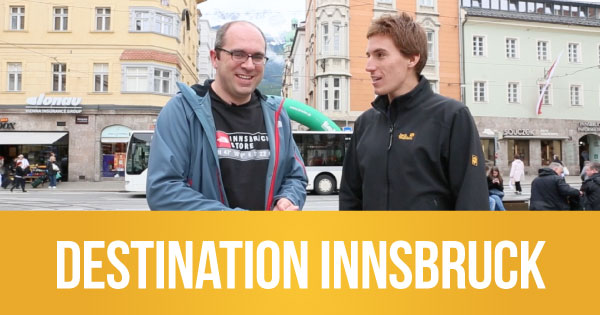
Introduction Lessons 31-40 of Coffee Break German have been recorded in Innsbruck, Austria. In this short video introduction to these lessons, Mark joins Thomas in the Marienplatz to talk about what is coming up in this next batch of lessons.
When travelling in Germany, it’s good to know some phrases that can help in emergencies and others that let you talk about your family and other such common topics, like the weather. In this blog post, we will explore a couple of German phrases for tourists, along with their explanations. To make the most of
Coffee Break Languages is a product of Radio Lingua Ltd.