

Every July, the province of Quebec, Canada, becomes the hub of laughter as the largest international comedy festival in the world, Juste Pour Rire Just for Laughs, takes over Montreal. What started in 1983 as a two-day comedy event is now a huge platform for both francophone and other comedians from all over the world. But have you ever considered what is one way to make learning fun? Or how comedy could help you learn a language?
As language learners, we can gain a lot from watching comedy in the language we’re learning. Humour is a huge part of everyday life all over the world, and being able to understand and make jokes in another language requires a good understanding of both the language and the culture.
We prepared this text to help you understand the benefit of laughing when learning and share some jokes with you in the languages you’re learning. Keep reading to find out more!
Why is humour great for language learning?
Humour is deeply embedded in every culture and is often one of the most challenging yet rewarding aspects of learning a new language. To understand a joke, you need more than vocabulary – you need to grasp the cultural references, idiomatic expressions, and double meanings that make it funny.
Related topic: Get your ducks in a row with these 10 interesting international idioms
That is why this level of comprehension often feels like a milestone. For many language learners, the first time they understand a joke or wordplay in a foreign language is a moment of true accomplishment. It means they’ve memorised words and grammar and begun to think like a native speaker!
Another benefit? Laughter and positive emotions improve memory retention. Studies have shown that when you’re having fun, your brain is more receptive to learning. Incorporating humour into your language study sessions helps you stay motivated, making it more likely that you’ll stick with it in the long run.
What is one way to make learning fun? Simply put, add a dash of laughter to the mix.
Examples of language learning through jokes
In a more practical way, what is one way to make learning fun? With jokes! Usually, they demonstrate how playing with words can reinforce your understanding of grammar, double meanings, and cultural nuances:
A Spanish chiste
We’ll begin with un chiste in Spanish:
- ¿Qué hace el tiburón perezoso que tiene que atrapar la cena? What does the lazy shark do when he has to catch his dinner?

La respuesta es… The answer is…: ¡Nada!
Remember that nada has a double meaning, un doble significado. Nada can be translated as:
- ‘nothing’
- ‘he/she/it swims’ (from the verb nadar)
A French blague
Next, we have une blague in French:
- Pourquoi le hibou est-il l’animal le plus heureux ? Why is the owl the happiest animal?
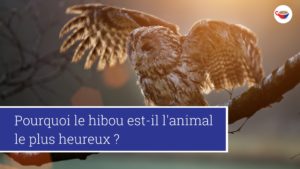
La réponse, c’est… The answer is…:
- Car sa femme est chouette ! Because his wife is chouette!
Une chouette is another word for owl, but the adjective chouette translates as great.
An Italian barzelletta
Now, are you ready for an Italian barzelletta?
- Che cosa deve avere un musicista disorientato? What does a confused musician need?

La risposta è… The answer is…
- Un piano!
Un piano also has more than one meaning:
- ‘a plan’
- the musical instrument
A German Witz
And unfortunately, we decided not to include a German Witz …
… because German jokes are the Wurst!
Wurst (f) = sausage

We hope you’ve enjoyed these chistes, blagues, barzellette, Witze and can see how jokes can really test your knowledge of a language, and are therefore a great way to practise!
So, next time you’re struggling to stay motivated, remember that one way to make learning fun is by letting humour guide your journey. Start with a joke, watch a comedy show, or challenge yourself to come up with a clever pun.
And if you would like to learn a language by using your favourite songs, check out the blog post we prepared with some amazing tips to help you with that!
2 thoughts on “What is one way to make learning fun? Learn a language through laughter!”
Why French people only eat one egg for breakfast? Because one egg is un oeuf (enough)
German tourist to waiter in English hotel dining room: “I have been waiting for my breakfast for 30 minutes. When do I become a sausage?”.