
Hungarian is spoken by roughly 14 million people in eastern Europe. It’s the official language, of course, in Hungary, and it’s also spoken in parts of Romania, Slovakia and other bordering countries. But is Hungarian a hard language to learn?
You may have heard that Hungarian is one of the toughest languages to tackle. Let’s explore whether that reputation is deserved—and why it’s still worth your time, as even just a little language can go a long way.
Is Hungarian a hard language to learn?
If the question is whether Hungarian is a hard language to learn or not, some will say that this can be one of the most challenging languages for English speakers to learn. Unlike many European languages, the language isn’t part of the Indo-European family.
Instead, it belongs to the Uralic languages group, which means its grammar, vocabulary, and structure are very different from the Romance and Germanic languages, with which many learners are more familiar. For instance, Hungarian relies heavily on agglutination – a method of forming words and grammatical structures by adding prefixes, suffixes, and infixes to root words, which can make the language feel a bit overwhelming.
So, yes, Hungarian is a hard language to learn for English speakers due to its differences in grammar and vocabulary. However, it’s also highly logical, phonetic, and rich in culture, making it an incredibly rewarding challenge.
5 reasons learning Hungarian is csodálatos and worth it!
Now you know why Hungarian is a hard language to learn, or at least considered… But are you ready to find out why this unique language offers a rewarding and wonderful challenge for learners?
Check it out!
1. Beauty from within

Most people will find the sound of Italian or Spanish very melodious, whether they understand the language or not. Hungarian, even though it sounds nice to begin with, is a language that gets increasingly beautiful the more you learn.
There are countless puns and twists in the Hungarian language, not only in poetry and idioms but also in everyday speech. Very often, these defy translation and are guaranteed to entertain any language learner.
2. A logical language
Every language has its own system, its own “logic”. When you learn a new language, it’s not just about the words, it’s also about understanding that logic. Learning a language based on a different logic helps you better understand how your own language works.
Hungarian grammar is very different from English grammar. In Hungarian grammar, words are linked together through the way they sound, which also gives the language a great flow and melody. Although Hungarian is a hard language to learn, the grammar itself is mostly logical and once you manage to get your head around it, it becomes second nature.
3. Overcoming the challenge

If you’re the type of person who likes a challenge and to do something entirely new, learning Hungarian is a wonderful option. The great news is, many aspects of the language are easier than you may think.
For example, the alphabet is mostly phonetic, which means that once you learn how to pronounce each letter, you’re good to go. There’s even more good news: you only have to learn three tenses (past, present, future) and wait for it … there is no gender!
4. A helping hand with the language
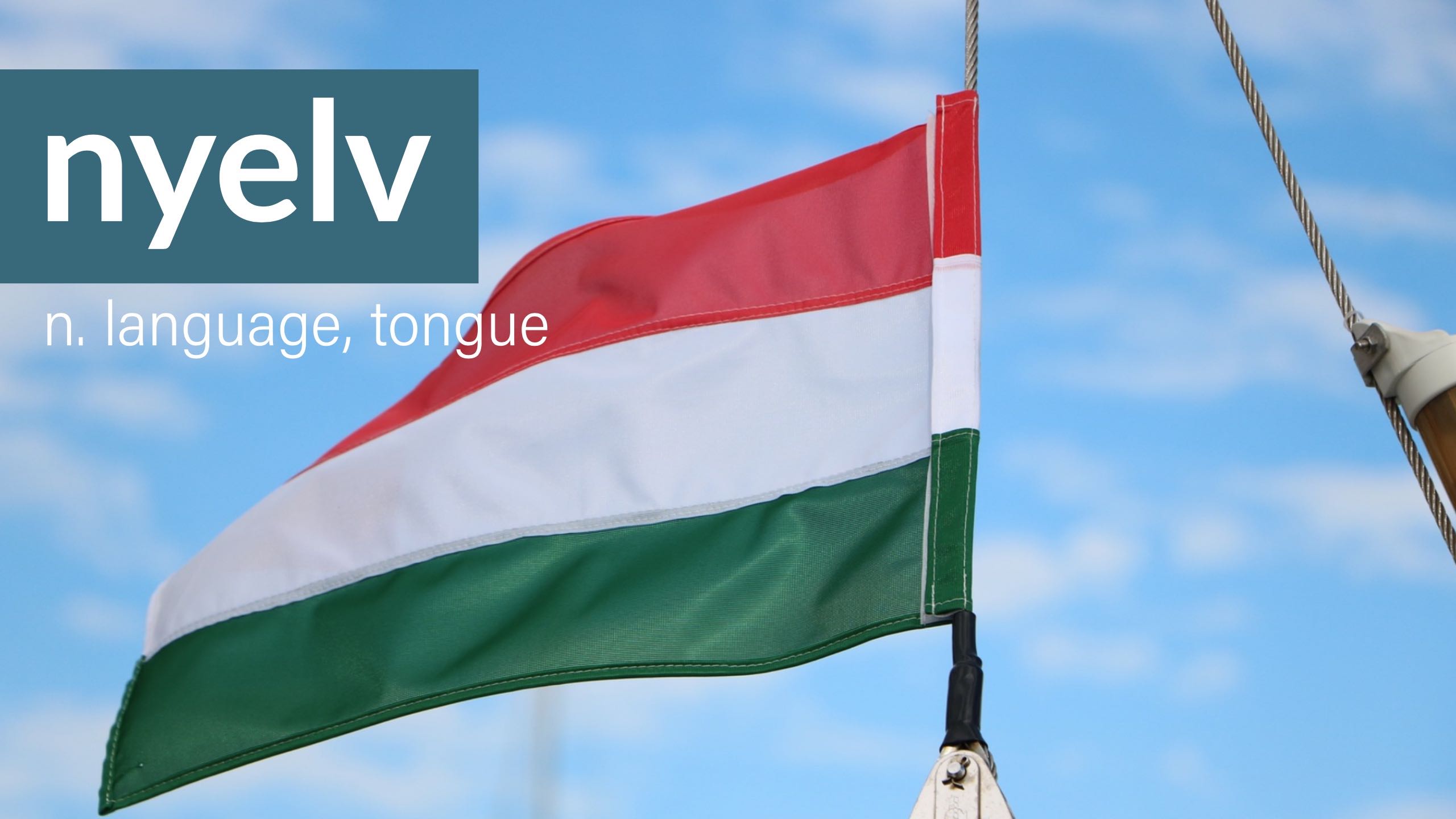
It goes without saying that Hungarians are a very friendly and welcoming people, but if they find out you’re learning their language, they will be even more delighted and eager to help you embark on this adventure. While English is spoken in larger cities, a knowledge of Hungarian, even just a few words, can make a great difference, allowing you to meet people, make friends and learn more Hungarian.
5. A cultural wonder
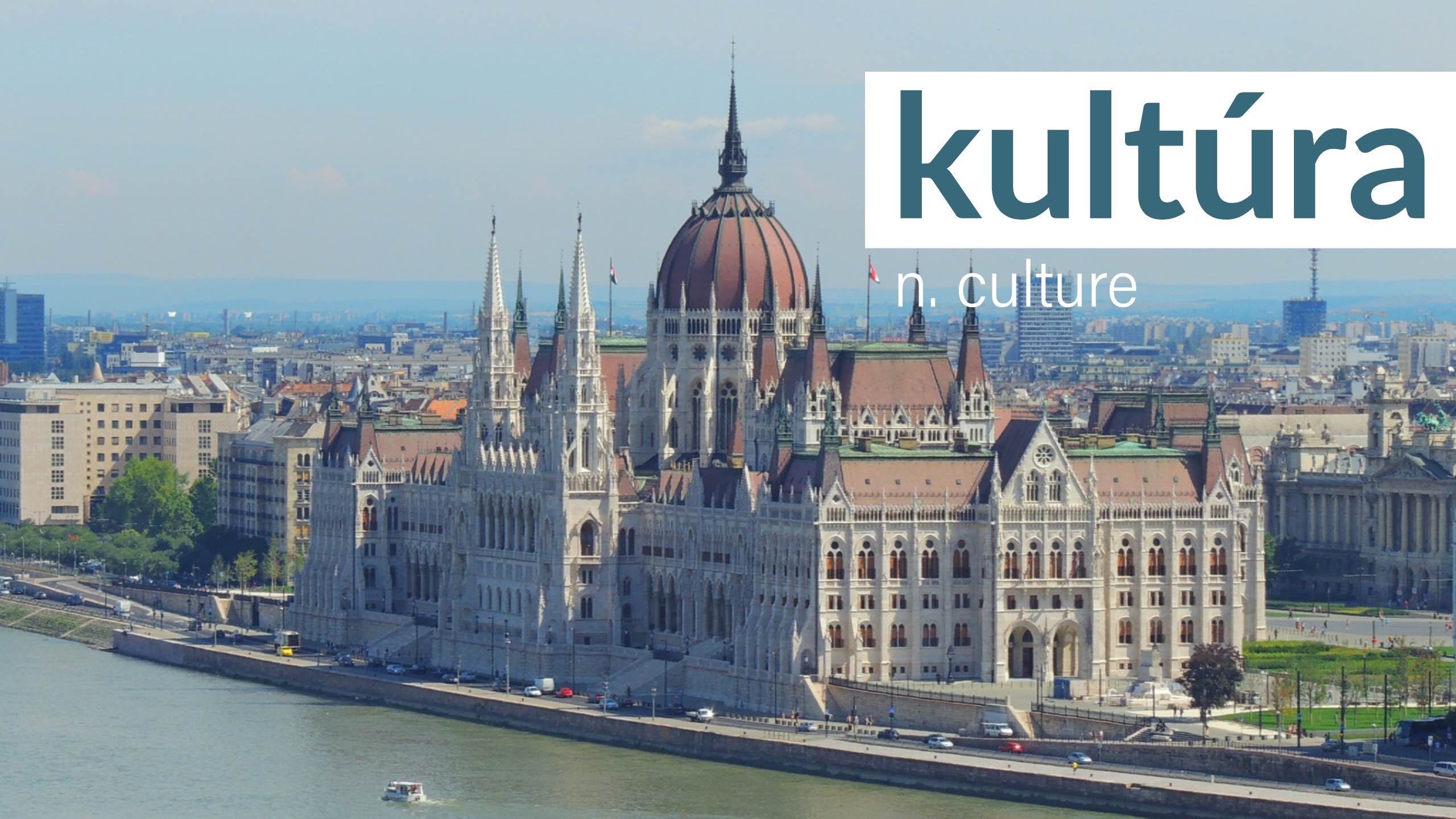
From Aggtelek’s magnificent limestone caves to the lively shores of Lake Balaton, the largest lake in Central Europe, from the fascinating Hortobágy National Park to one of the most beautiful European cities, Hungary’s capital, Budapest, Hungary has countless wonders to see. However, experiencing Hungary is so much more than the tourist attractions. Hungarian culture is one of the richest and most well-preserved in all of Europe.
Catching a performance and táncház (lit. dance house) of Hungarian folk dances, as well as trying traditional food like the töltött káposzta or a proper pörkölt (stew), are essentials on a trip to Hungary. But most of all, they are going to make you fall in love with Hungary and leave you with a desire to learn Hungarian.
Speaking of which, now that you know why it’s csodálatos learning Hungarian, if you want to take your first steps in getting to know this wonderful language, One Minute Hungarian is the place to start. While it won’t make you fluent in the language, if you follow each lesson and learn all the words and phrases covered, you will be well on your way to interacting with native Hungarian speakers.
If you’d like to continue discovering the beauty of other languages, why not check out the article we’ve prepared, featuring a few charming words in Italian? Read now!